- Bloomberg
- Posted on: 17th Jan 2019 00:00:00 GMT +0300
SEE ALSO :Pro-abortion push gathers pace as teen births soar
While the inflation rate has almost halved since May, the central bank should refrain from cutting the benchmark rate until there is clarity on a repeal of the rate cap, said Qureishi, who forecasts price growth will average 4.9 per cent in 2019. The central bank’s target range is 2.5 per cent to 7.5 per cent. The South African Reserve Bank, for its part, is likely to hold its main rate as consumer-price growth, which reached an 18-month high in November, eases following a drop in crude prices, said Kamilla Kaplan, an economist at Investec Bank Ltd. The central bank will probably lower its 5.5 per cent annual-inflation forecast for 2019, but will reiterate that the risks to the longer-term inflation profile remain on the upside, she said. Hawkish toneSEE ALSO :Ride-hailer targets tenfold growth in African market
In Nigeria, the Monetary Policy Committee will probably retain the MPR at a record high as it sees the February 16 election to lead to an uptick in spending and price-growth risks. MPC members have signalled a more hawkish tone and say that inflation, which is outside the target range of 6 per cent to nine per cent, could accelerate as the government deregulates the fuel industry and introduces a minimum wage. Price growth accelerated to a seven-month high in December. The central bank may raise its rate later this year and will do what it can to protect the naira, said Omotola Abimbola, an analyst at Ecobank Transnational Inc. In July, the Bank of Angola cut its BNA rate, introduced in May. It will take a more cautious approach this year as a decline in crude hurts the finances of Africa’s second-biggest oil producer. Also, the government is cutting subsidies on utilities, public transport and gasoline, which poses an inflationary risk, said Samantha Singh, a strategist at Absa Bank Ltd. Currency pressures and inflationary concerns will see the Bank of Ghana hold its key rate, said Courage Martey, an economist at Databank Group. The cedi has lost 8.6 per cent against the dollar since the start of 2018, making it the fifth-worst performer among African currencies tracked by Bloomberg. The inflation rate, while within the target range of 6 per cent to 10 per cent, is far from the mid-point, which “gives little room for a rate cut,” Martey said.SEE ALSO :Firm to assemble phones in Uganda
Related Topics
Africa2016 law cappingKenyaAfrica Central BankRelated reporting
More General News →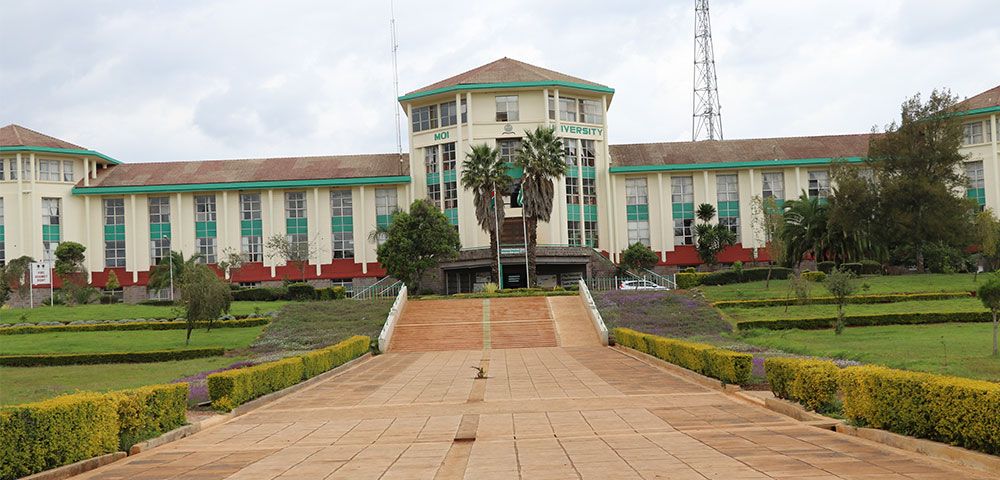
Moi University Leads National Gender Mainstreaming Rankings With 96.4% Score
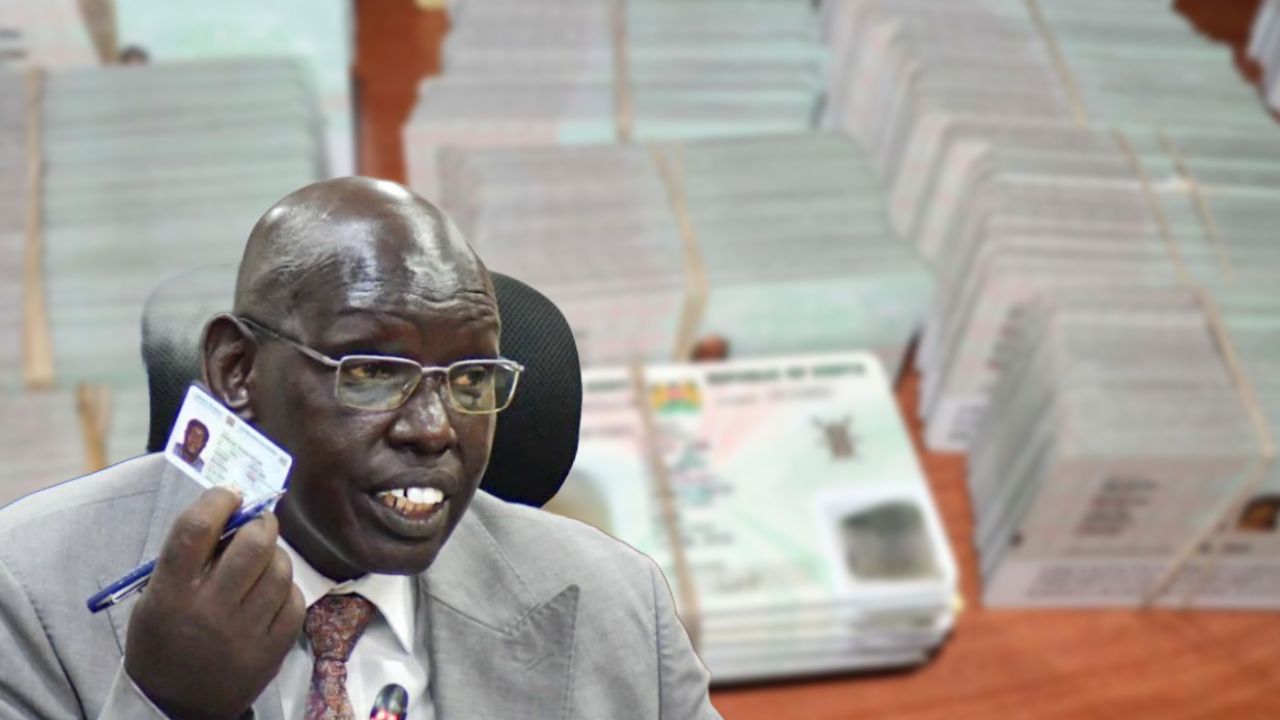
PS Belio Kipsang Enlists Chiefs to Trace 557,930 Uncollected IDs Ahead of 2027 Election

Education Ministry Responds to KCSE Impersonation Arrests in Embu and Nakuru