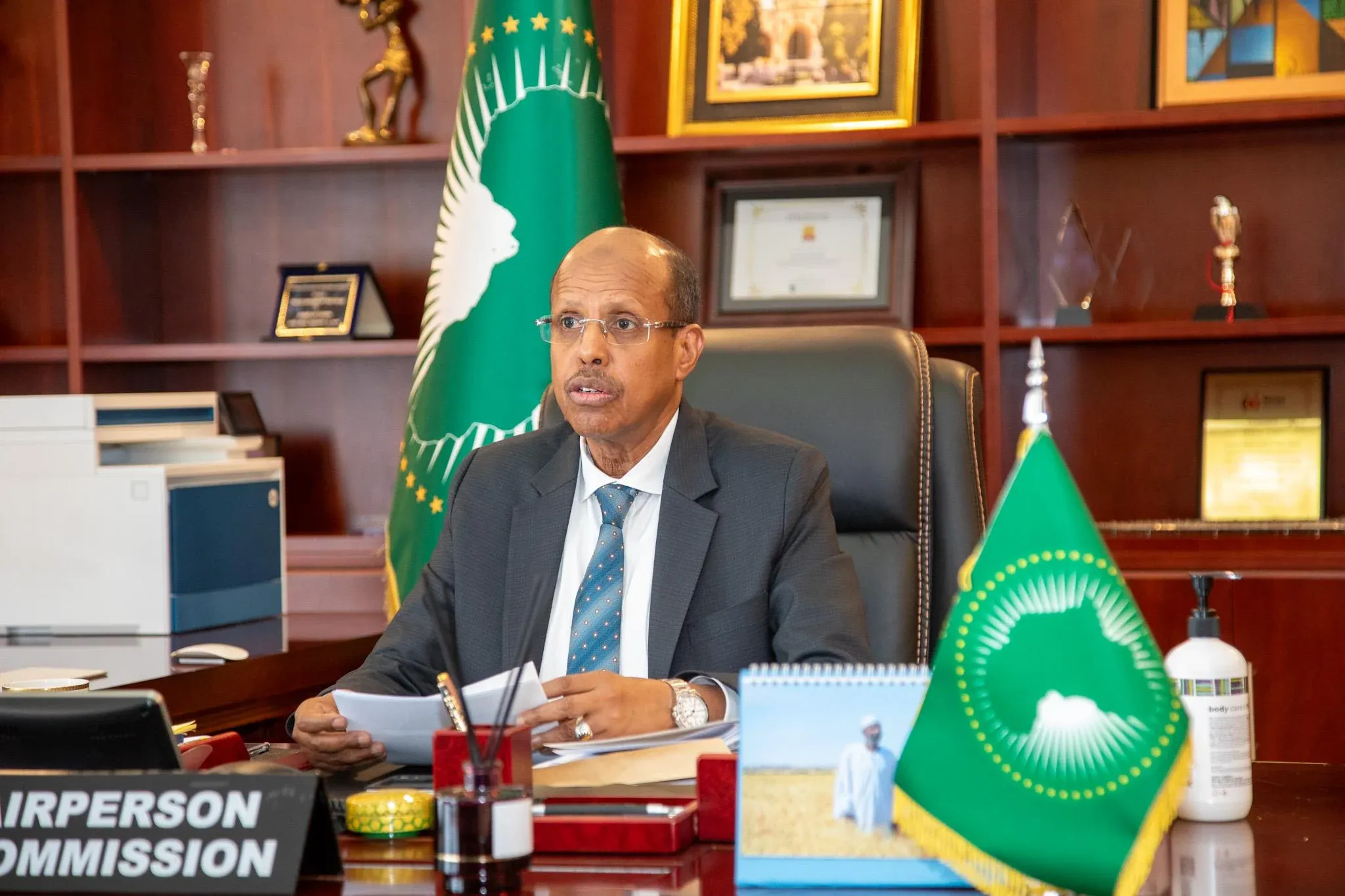
African Union Commission Chairperson Mahmoud Ali Youssouf released a statement on November 6, 2026 praising Kenyan Judge Phoebe Okowa after she secured a full nine-year mandate at the International Court of Justice.
The United Nations vote on November 3, 2026 gave Okowa eight votes in the Security Council and 106 votes in the General Assembly, beating Sierra Leone’s Professor Charles Chernor Jalloh, who obtained seven and 79 votes respectively; her term will commence on February 6, 2027 and run until February 2036, following an earlier 2025 election to fill an unexpired seat.
Youssouf said the outcome recognises Okowa’s distinguished contribution to international law and signals the confidence of the global community in her legal expertise and judicial service.
He described the result as a source of pride for Kenya and the African continent and noted that her career demonstrates the impact of Africans on worldwide legal institutions.
The chairperson added that the achievement should inspire African women and young people aspiring to careers in law and public service, and linked it to the African Union’s Agenda 2063 goals of justice, rule of law, peace and security.
Youssouf reaffirmed the AU’s commitment to international law, effective multilateralism and the peaceful settlement of disputes.
Kenya’s Ministry of Foreign Affairs, headed by Principal Secretary for Foreign Affairs Korir Sing’Oei, highlighted an intensive diplomatic campaign that engaged UN member states; Sing’Oei expressed immense pride, thanked the General Assembly and Security Council for their support and acknowledged the withdrawal of Sierra Leone, Korea and Ecuador after the third round, which helped avoid a prolonged election.
The statement also pointed to a broader issue within the AU, recalling a July ministerial meeting in Addis Ababa where foreign ministers failed to agree on a single African candidate for the ICJ, resulting in a split vote between Kenya and Sierra Leone; the deadlock was broken only when Sierra Leone withdrew its candidacy at the last minute, an act described as pan-African solidarity.
Similar coordination challenges are now evident in the International Criminal Court elections, where multiple African candidates are contesting two open seats, underscoring ongoing structural difficulties that affect the continent’s collective bargaining power.
Related reporting
More Politics →
Timely Kenya Survey Ranks Cynthia Muge Top Woman Representative With 59.9%
National Assembly Majority Leader Kimani Ichung’wah Backs Bill to Raise Drinking Age to 21
Senator Kibwana Leads Senate Probe Into Nairobi Building Collapses Amid MP Concerns