Three MKU researchers have developed a Covid-19 tracing system dubbed ‘KoviTrace’ that will help trace persons a patient came into close contact with.
The three Industrial chemist Donatus Njoroge, IT expert Gideon Kamau, and Physician Scientist Dr. Jesse Gitaka says the application will help trace persons who would have made contact in the last 14 days with a positive person.
The development is a testament that Kenyans ingenuity at innovations can help curb the spread of coronavirus and it gives hope that global problems can be solved by local solutions.
Local innovators have been at the forefront in the fight against the pandemic by manufacturing hand sanitizers, ventilators as well as personal protective equipment.
Get breaking news on your Mobile as-it-happens. SMS ‘NEWS’ to 20153
The new system which is available in both English and Kiswahili comprises of an administrative web interface for use by the administrator and a front end system (an application that can be installed on Android phones or accessed via a USSD code by those without smart phones).
It also provides users with an updated access to WHO’s frequently asked questions about the disease and a self-screening test that gauges the user’s vulnerability to the disease based on his or her previous interactions, behaviour and movements.
The technology can be used by the Ministry of Health in tracing all persons that Covid-19 patients came into contact with, and by Kenyans in establishing if they have been in contact with persons who tested positive.
“Once an individual has tested positive, a Ministry of Health official will only be required to key in his phone number onto the web portal and command it to trace all his contacts within the last 14 days instead of relying on his word of mouth, this process generate a list of all suspected cases” explained Mr Njoroge.
In the app the identified contacts are then immediately contacted via push message.
The alert, received in the form of a text message, also contains information on preventive measures, contacts of the nearest hospital and the emergency toll-free numbers of the respective county Covid-19 coordinator.
“This system works for those who have installed the app in their phones or registered through a USSD code,” Njoroge, the head of innovations, intellectual property and community engagements at Mount Kenya University explained.
He said the system can trace every person that the individual has been in contact with virtually, thus minimising the risk of persons going into hiding.
“It uses standard location API’s to calculate the geo-fence of the user at a particular moment, the geo-fence and timestamp are then synced with the user at intervals of three minutes”.
“The identity of the patient is kept anonymous,” Njoroge said.
The Government is conducting contact tracing with the help of NIS through accessing patients’ phone data to trace their last movements, a procedure that is not feasible at large scale, besides being expensive.
If ‘KoviTrace’ is approved and adopted for use, Kenya will rank among global economies that have established similar apps for use in taming the virus.
One such country is Australia, which developed COVIDSafe, an App that is tracing contacts of patients within the last 21 days.
Related reporting
More Entertainment →
SportyBet Kenya Bonus for January 2026 - Uncover Unique Offers!
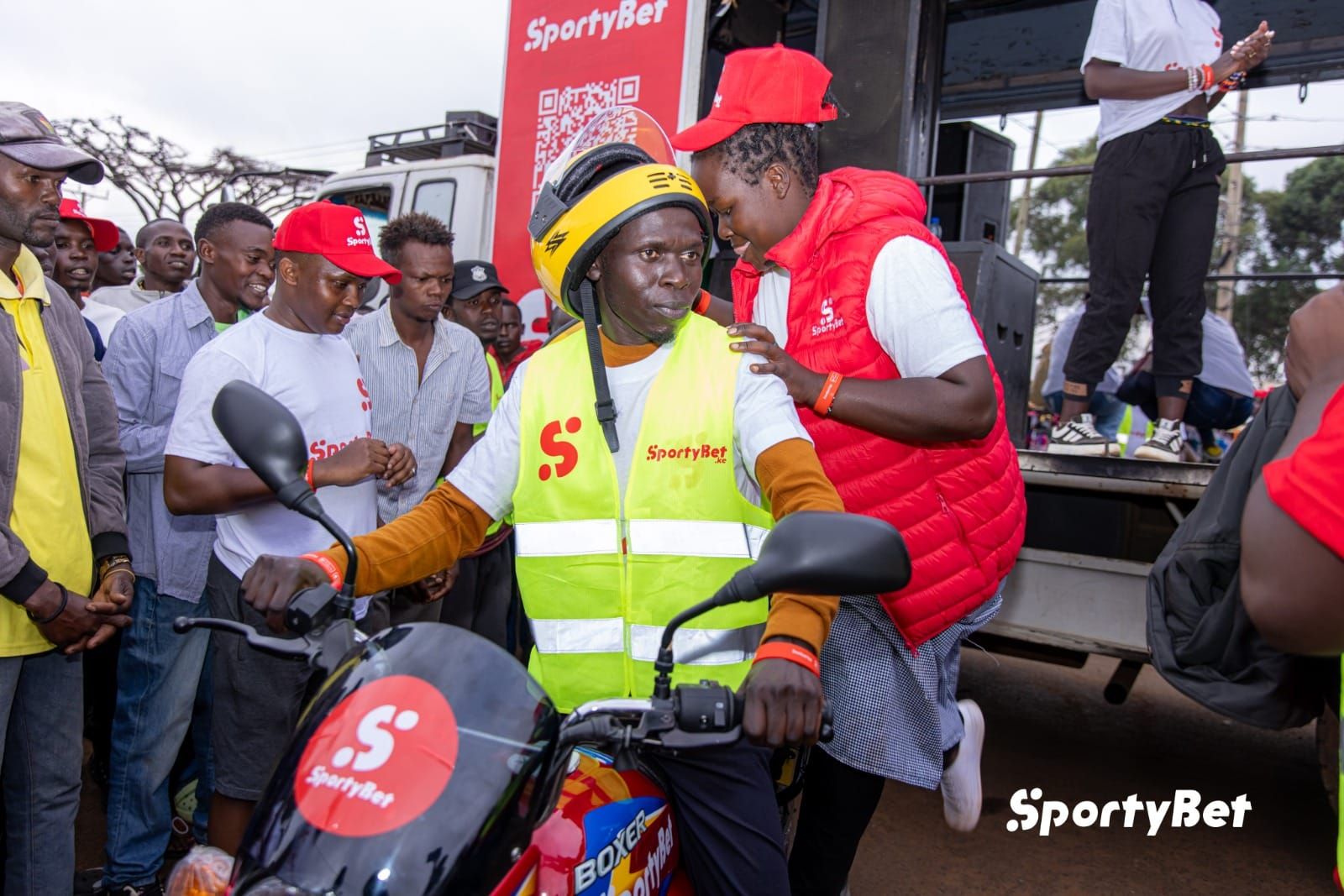
Chepterit Comes Alive As SportyBet Kenya Gifts Motorbike to Loyal Fans

Nest Lounge Narok Under Scrutiny as KRG The Don Shooting Incident Triggers Government Silence and Maasai Community Outcry