G.M. committed $5 billion to expand its Mexican operations in 2014 and last year was the largest vehicle producer in Mexico — making 834,000 vehicles, almost all high-profit pickups and S.U.V.s. Through the end of September, the automaker had exported 92 percent of them to the United States, according to our calculations.
On Sunday, Ford Motor Company unveiled an all-electric version of the Mustang. As Ford put it in announcing the new vehicle, “Ever since the original Mustang took the world by storm in 1964, it quickly came to represent the best of the American spirit.” But the Mustang Mach-E will be assembled at a plant in Cuautitlán, Mexico.
G.M. and Ford are hardly the only automakers to take advantage of Mexico’s low wages. The Mexican auto and auto supply industry now employs 866,000 hourly workers — compared with 778,000 in the United States. The German automaker BMW recently opened a $1 billion assembly plant for its 3 Series in San Luis Potosí. For workers building this luxury sports sedan, the starting wage is under $2 an hour.
It’s true that Mexico has promised major labor reforms for workers under the last president and legislation to put those reforms into effect under the new progressive president, Andrés Manuel López Obrador.
But these reforms seem to largely exist today on paper, not on the ground.
Powerful forces are vigorously fighting raising the industry’s rock-bottom wages. Among these forces are corrupt, compliant unions that have signed innumerable so-called protection agreements with little or no employee involvement that protect employers, not workers. Transnational corporations, enjoying great profits because of suppressed wages, are also fighting reform. And, if these hostile forces weren’t enough, Mexican state institutions are notoriously weak in this area. Promises alone won’t transform this entrenched, corroded labor system.
President Trump has talked about the harmful impact of NAFTA on workers. But he has not included effective steps in the successor pact to make sure worker rights actually become a reality in Mexico. Instead, his administration has focused on measures that would purportedly dampen outsourcing and future American investment in the country, but that will most likely have little impact.
One proposal, for example, would change the rules that determine how much American content must be in Mexican exports to be exempt from tariffs. But, as the Mexican Automotive Industry Association has pointed out, about 70 percent of vehicles already qualify under the proposed change. So this would accomplish little.
Related reporting
More World News →
Saudi Prince Found Dead in Hotel Bathroom as Inquest Rules Death Was Misadventure
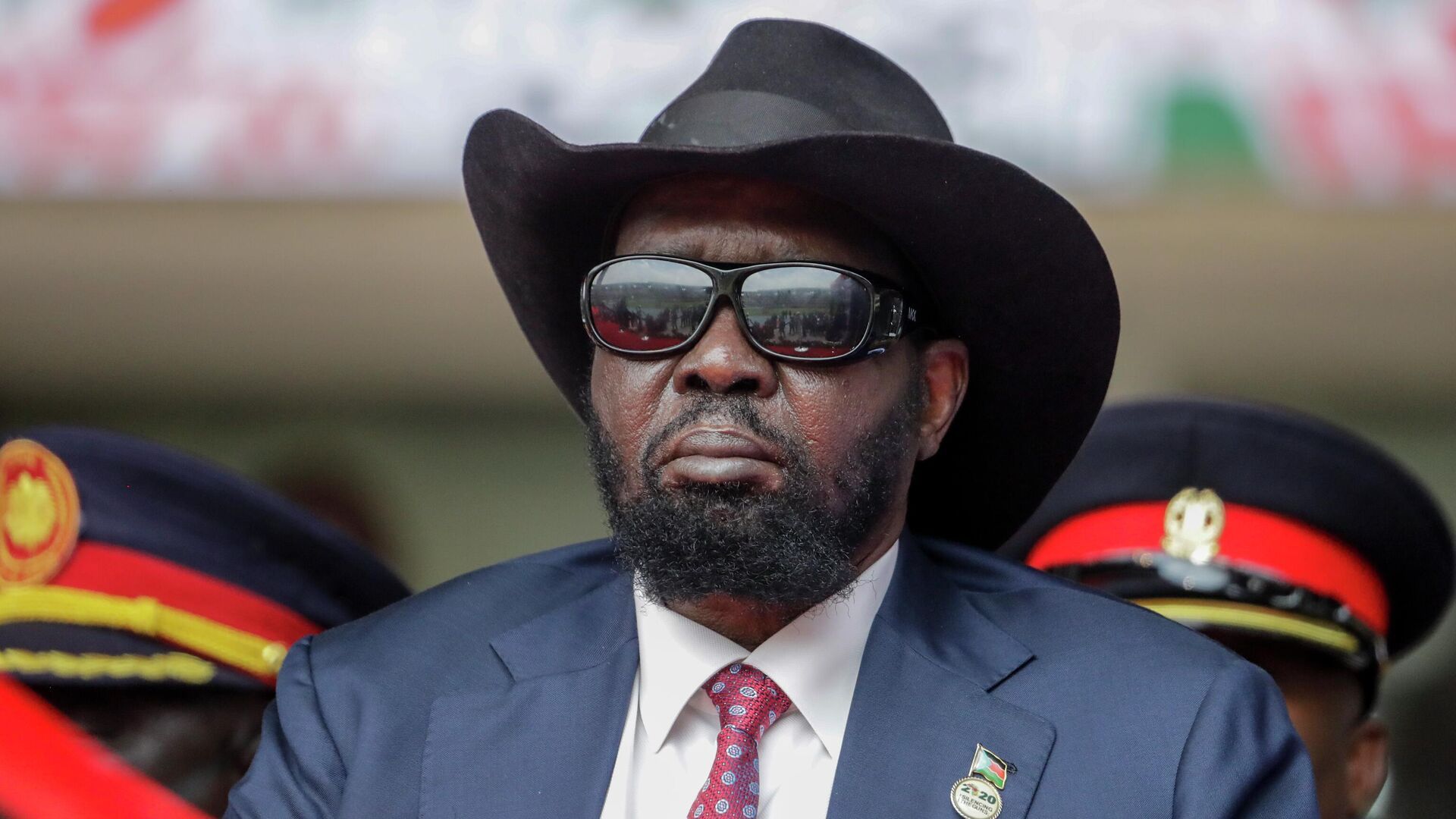
South Sudan at the Brink: How Corruption Tightens Its Grip on a Rare Working Institution

South Sudan’s Oil Looters: How Young Elite Gatekeepers Plunder Nation While Citizens Starve