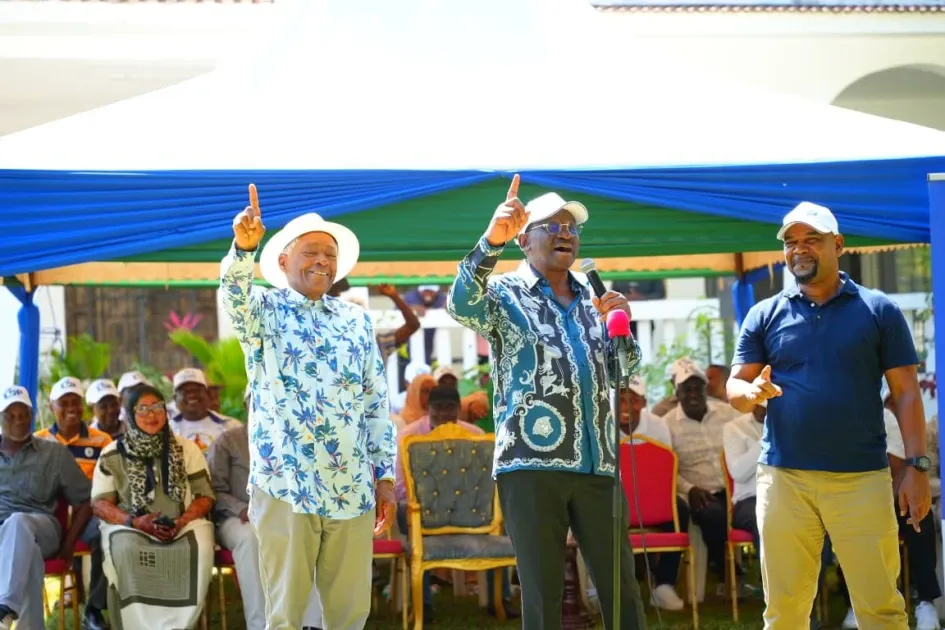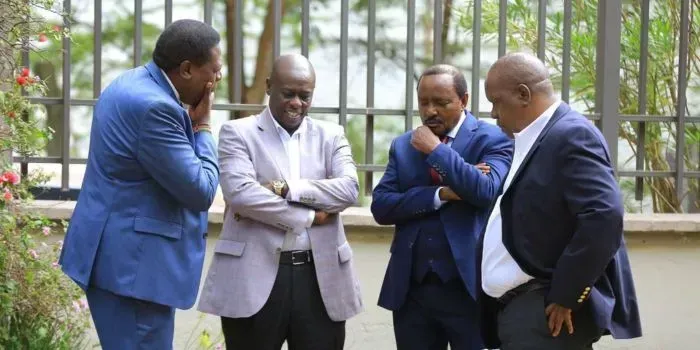
Opposition figures in Kenya are being urged to develop a single policy platform as the 2027 general election approaches, with analysts noting that no collective programme has yet been presented.
Political commentator Albert Kasambeli says the coalition must turn public worries about living costs, jobs, taxes and services into a coordinated national campaign rather than a set of isolated complaints. He adds, “The opposition’s challenge is not simply finding issues on which its leaders agree, but developing a common position that can withstand scrutiny.”
He also warns that leaders need to move beyond separate rallies and agree on a unified message that shows voters what a government led by them would deliver, saying, “The challenge, he adds, is whether opposition leaders can move beyond raising similar grievances at separate rallies and agree on a unified message that gives voters a clear picture of what a government led by them would deliver.”
President William Ruto responded during his Mashujaa Day address, challenging opponents to propose alternatives, and stating, “If you disagree with affordable housing, tell Kenyans how you would provide decent homes and create jobs.”
Within the opposition, Democracy for the Citizens Party leader Rigathi Gachagua frames his critique around personal betrayal and political deception, accusing Ruto of misleading the Mt Kenya electorate that helped secure the 2022 victory. People’s Party of Kenya head Ndindi Nyoro highlights the government’s failure to keep economic promises, pointing to high fuel prices, heavy taxation and rising living costs. Nairobi Senator Edwin Sifuna stresses the importance of rule of law, respect for court orders, constitutionalism and protection of freedoms. Wiper leader Kalonzo Musyoka underlines constitutional governance, economic relief, electoral integrity and accountability. Jubilee’s Fred Matiang’i calls for competent leadership, institutional independence, prudent spending, job creation and economic recovery. People’s Liberation Party chief Martha Karua focuses on human rights, integrity, corruption and constitutional accountability. None of these leaders have yet shown how their individual priorities would combine into a shared policy agenda.
Safina Party head Jimmy Wanjigi argues the opposition should emulate the late Raila Odinga’s skill in setting the political agenda, noting, “I’m surprised that some of those who worked with him (Raila) have not learnt that skill.” He says young people in 2024 placed economic hardship at the centre of debate and adds, “Kenyans across all age groups and social classes are struggling with economic challenges that remain unaddressed.”
Nandi Senator Samson Cherargei criticised the coalition for lacking a clear plan, declaring, “The opposition has no agenda other than opposing President William Ruto,” and warning, “They have failed to present Kenyans with a credible alternative programme for governing the country.”
Political analyst Joseph Mutua suggests that a common stance on fuel prices, employment and taxation could give the emerging coalition a clearer economic identity. He proposes that fuel costs could serve as an immediate rallying point and quotes, “The opposition could use this issue to demand greater transparency in fuel pricing, explain the impact of government taxes and levies, and outline measures it would pursue to ease the burden on consumers.” Mutua cautions that taxation debates will be complex, requiring explanations of which taxes would be reviewed, how essential services would be protected and how revenue needs would be met. He also notes that shared criticism does not automatically lead to agreement on priorities, financing or implementation, saying, “Shared criticism of the government does not automatically translate into agreement on priorities, financing or implementation.”
Mutua concludes that beyond agreeing on why Ruto should leave office, opposition figures must persuade voters they can present a viable alternative and deliver on promised reforms.
Related reporting
More Politics →
Justina Wamae Launches Imarisha Uchumi Party and Declares 2027 Presidential Bid
President William Ruto Rejects Claims Livestreaming Election Results Will Be Banned
Treasury CS Mbadi Says Ruto Beats Sifuna for Gen Z Support