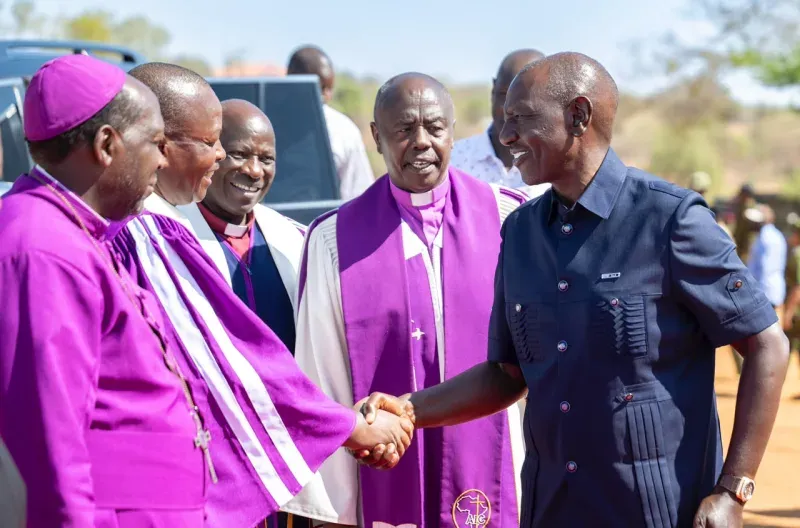
President William Ruto told opposition leaders to stop spreading falsehoods about a proposed amendment to the Elections Act that concerns livestreaming of election results, speaking during a church service at AIC Kasina in Mwingi.
He said the government has no intention of preventing Kenyans from accessing election outcomes and dismissed rumours of a ban as propaganda and fake news, describing the claims as “nonsense, propaganda, fake news.”
Ruto also urged opposition figures to focus on issues affecting young people, such as education, employment and business opportunities, accusing some leaders of misusing youth for political battles.
His remarks followed the passage of the Elections (Amendment) (No. 2) Bill, 2024 by the Senate in December 2024 and its subsequent debate in the National Assembly, where the bill seeks to amend Section 39 of the Elections Act.
A contentious proposal in the bill would remove the legal requirement for the Independent Electoral and Boundaries Commission (IEBC) to livestream results as they are announced at polling stations, although the commission could still livestream voluntarily.
Critics argue that the change could weaken electoral transparency ahead of the 2027 General Election, while the government maintains that the amendment does not affect the right of Kenyans to know results promptly.
The bill also requires the IEBC to provide reasons in a prescribed format if results are not sent to constituency and national tallying centres, candidates, agents or observers within the stipulated period, and to publish polling-station result forms on its public online portal for verification.
Online backlash included threats to take to the streets, prompting Ruto to call on leaders to stop mobilising young people to protest and to encourage the public to understand the proposed changes before rejecting them.
Ruto linked the controversy to the 2024 Finance Bill, which had sparked nationwide youth protests before he scrapped it after parliamentary approval, and claimed the finance bill was misrepresented by opposition propaganda.
Related reporting
More Politics →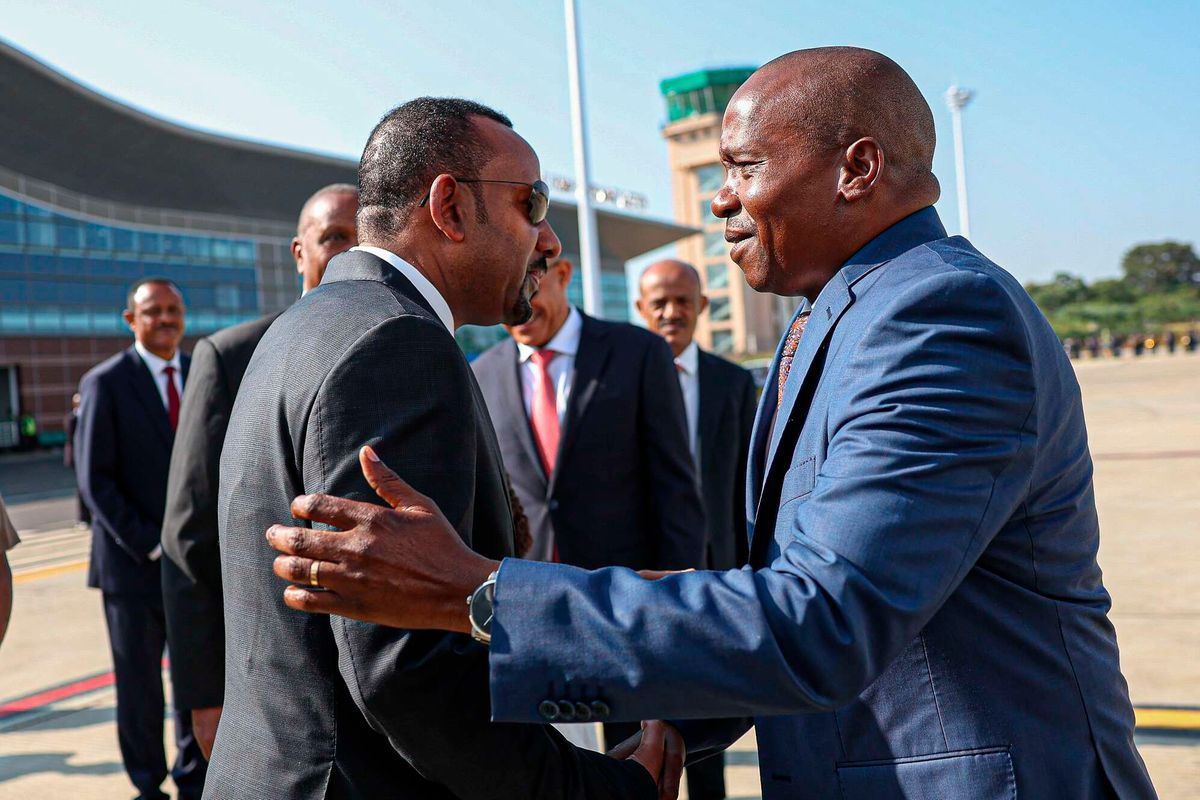
Deputy President Kithure Kindiki Urges Africa to Engage All Partners
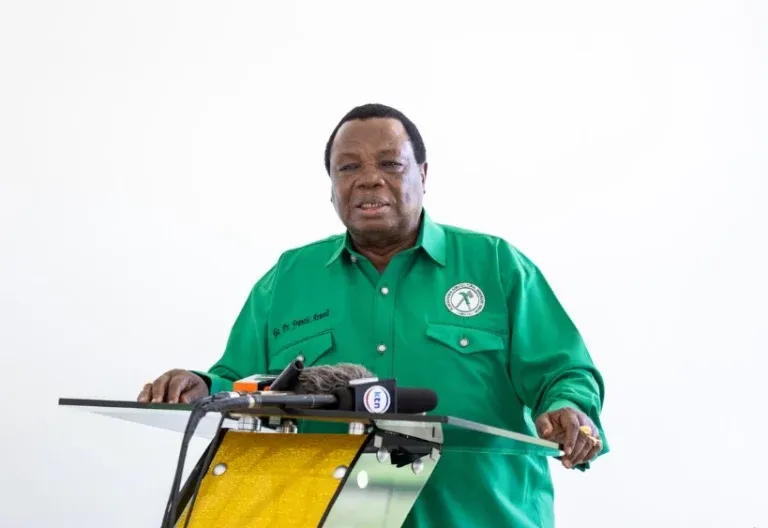
Labour CS Alfred Mutua Appoints Francis Atwoli to National Board for Social Protection
President Ruto’s Ukambani Tour Sparks Kalonzo-Muthama Reconciliation Speculation