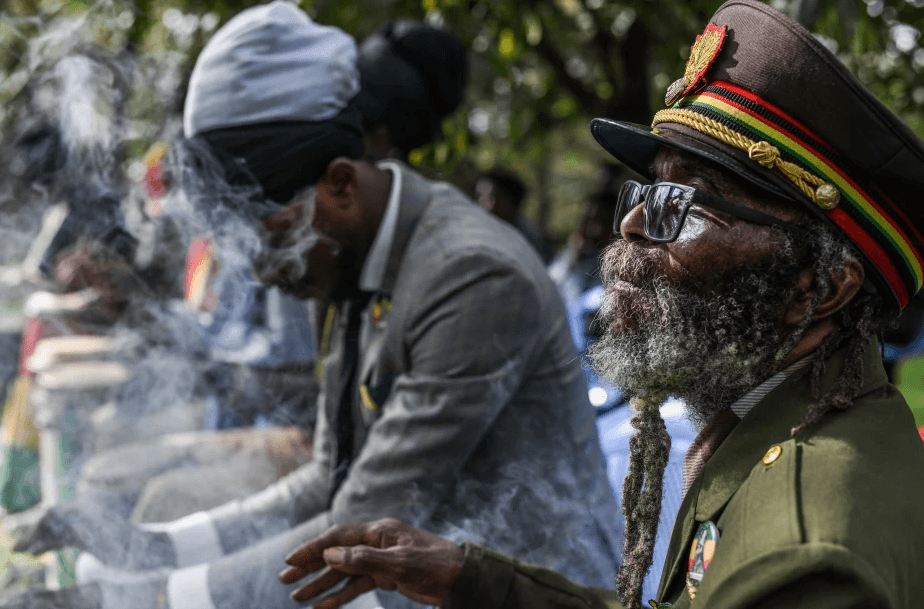
The High Court has dismissed a petition by members of Kenya's Rastafarian community seeking to legalise the use of cannabis for religious purposes, ruling that the country's existing drug laws do not violate their constitutional right to freedom of religion.
In a judgment delivered on 15 July, Justice Bahati Mwamuye held that the petitioners had failed to establish a sufficient constitutional and legal basis to justify exempting Rastafarians from the Narcotic Drugs and Psychotropic Substances (Control) Act, which criminalises the cultivation, possession and use of cannabis in Kenya.
The case, filed by the Rastafari Society of Kenya, argued that cannabis is central to the faith's religious practices and should therefore be protected under the Constitution's provisions on freedom of religion.
However, the court found that the evidence presented did not meet the legal threshold required to invalidate or exempt the community from the existing law.
While dismissing the petition, Justice Mwamuye observed that Kenya should hold a broader national conversation on its cannabis policy, noting that the issue extends beyond the Rastafarian community.
However, he maintained that any change to the law should come through the appropriate legislative process rather than a judicial exemption.
Following the ruling, members of the Rastafarian community expressed disappointment and announced plans to challenge the decision at the Court of Appeal.
Their lawyer, Shadrack Wambui, said the judgment would be appealed, arguing that it failed to adequately protect the community's religious rights.
Related reporting
More General News →
Sports Ministry Explains Visa Setback for Skater Kevin Kiarie

HELB Processes Five Student Loan Batches for Institutions
High Court Quashes DPP Decision to Drop KSh2.2bn Oparanya Corruption Case