SEE ALSO :Court frees Obado from prosecution’s jaws in guns case
According to the researchers who are practicing architects, the Huruma settlement involved a combination of physical and institutional components, including acquisition of secure land tenure for residents and subsequent provision of adequate housing and basic services for individual households, built and financed by the very households. The study notes that central to the physical transformation “was development of an institutional framework within the community that would allow it to manage, sustain and deal with issues concerning the settlement on its own.” During the book launch, Deputy Vice Chancellor in charge of Research, Production and Extension, Prof. Mary Abukutsa, who represented the Vice Chancellor, Prof. Victoria Wambui Ngumi, lauded the five women-researchers who had responded to a call by National Commission for Science and Technology and Innovation (NACOSTI) for demonstrating commitment to issues affecting slum dwellers. She challenged the research team to generate a policy brief that could be shared with policy makers in the country so that the findings could be applied to inform ongoing government initiatives on slum upgrading. Prof. Abukutsa appealed to JKUAT researchers to embrace collaborative, multidisciplinary research approach so that the research enterprise could be meaningful and impactful, in an effort geared towards debunking the “ivory tower” mentality by re-positioning the institution to play a leading role in the country’s development by “coming down to the people to make science accessible...”SEE ALSO :Anti-pollution activist tells of how son got ill from toxic lead
UN-Habitat representative, Dr. Ndilmbaye Armand urged slum upgrading actors to always seek to understand why people are in the slum and why they are living under such deplorable conditions. The Post-Occupancy Evaluation of Slum Upgrading Projects, according to Dr. Kibue, highlights the need to involve stakeholders. She notes that “many times we design something in the air without considering and understanding how the people use and feel about their place of residence.” The research makes a strong case for policy makers and other key stakeholders in the slum upgrading programmes as a way of mitigating the impact associated with slum upgrade efforts due to their precarious nature, which also bears cost implications. One of the key findings of the research is the level of satisfaction which was higher in the informally initiated projects compared to formally initiated ones. The findings point to the strong need for the government to support the informal slum upgrade programmes such as emerging building technologies developed and used successfully, to upgrade other existing slums.SEE ALSO :Policies key to stem growth of rural areas into huge slums
Present at the book launch included Kambi Moto representatives: Susan Wanjiru, Susan Naitore, Milka Njeri and Peter Ndung’u who called on the government to partner with them on slum upgrading initiatives.Related Topics
UN HabitatSlumKiberaRelated reporting
More General News →
Kenya Police Set to Get New Uniform as Ruto Prepares for Kiganjo Unveiling

Ruto Announces KSh1.2 Billion University for Emurua Dikirr
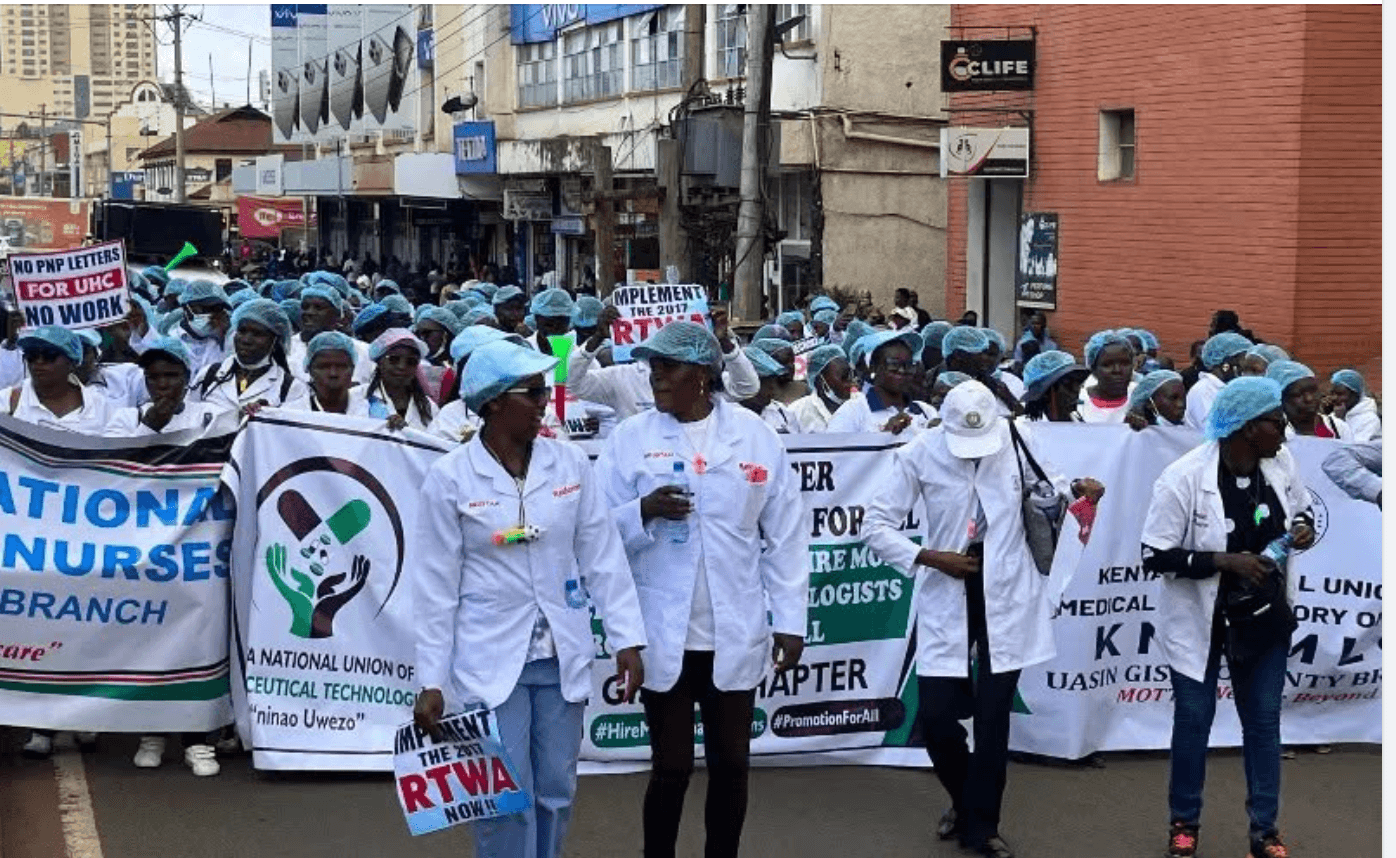
Kenya Nurses' Strike Enters Fourth Week as Talks With Counties Show Progress