KRA Commissioner General John Njiraini when he appeared before the National Assembly Public Accounts Committee at Parliament on Tuesday 07/08/18.
SEE ALSO :Struggling airline opts for discussions with stakeholders
Kenya has in recent years spent trillions of shillings of its revenues on debt repayment, with the economy growing at an average of 5.5 per cent even as tax collection has declined. The World Bank in its 16th edition of Kenya Economic Update noted that even though more goods and services have been traded, very little of these economic activities have been taxed even with KRA enhancing compliance. “Although it (revenues) grew by 13.3 per cent in nominal terms in 16/17, tax revenues expanded by less than nominal GDP 14.9 per cent, hence the tax-to-GDP ratio fell to 16.9 per cent of GDP—its lowest level in a decade,” said the World Bank. KRA said it could reverse the trend from the current 18.3 per cent in 2017/18 to 19.2 per cent in 2020/21 from exchequer revenues, Road Maintenance Levy Fund and Railway Development Levy. This will be achieved by doubling the number of Kenyans who pay taxes from 3.94 million to seven million by implementing a segmented approach to deal with the identified sectors.SEE ALSO :Why rogue State censors are chasing after own shadows
But National Treasury Cabinet Secretary Henry Rotich in a speech read by Treasury’s Chief Administrative Secretary Nelson Gaichuhie complained that despite the investment in KRA, it was still unable to hit targets set by his ministry, making the Government to borrow to bridge the budget deficit. “While KRA had done well to come up with strategies and programmes that seek to enable it achieve its ambitious targets, it was not paying enough attention to many loopholes that exist in the system which have consistently been denying the taxman the opportunity to meet its revenue collection targets,” said Rotich. Mr Njiraini, however, blamed the shortfall that has seen the taxman collect only Sh555.6 billion against a revised target of Sh1.6 trillion (initially Sh1.69 trillion) this year on dashed hopes that the economy would pick up after the elections. “We had a couple of issue that negatively impacted those indicators, for example, banking, which is a very critical player in tax performance, did not do well,” he said.Related Topics
Kenya Revenue AuthorityGovernmentTaxmanBudgetRelated reporting
More General News →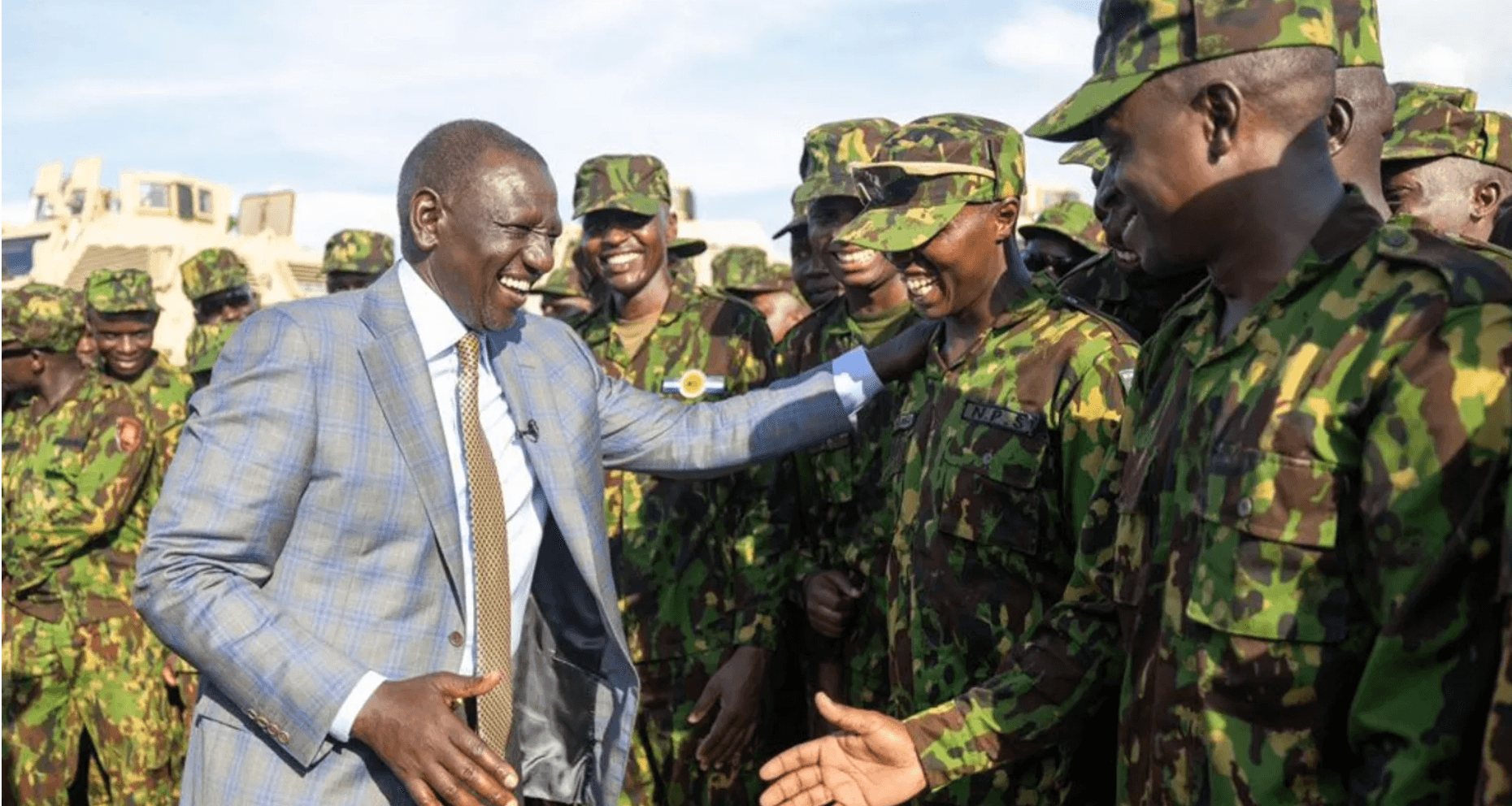
Kenya Police Set to Get New Uniform as Ruto Prepares for Kiganjo Unveiling
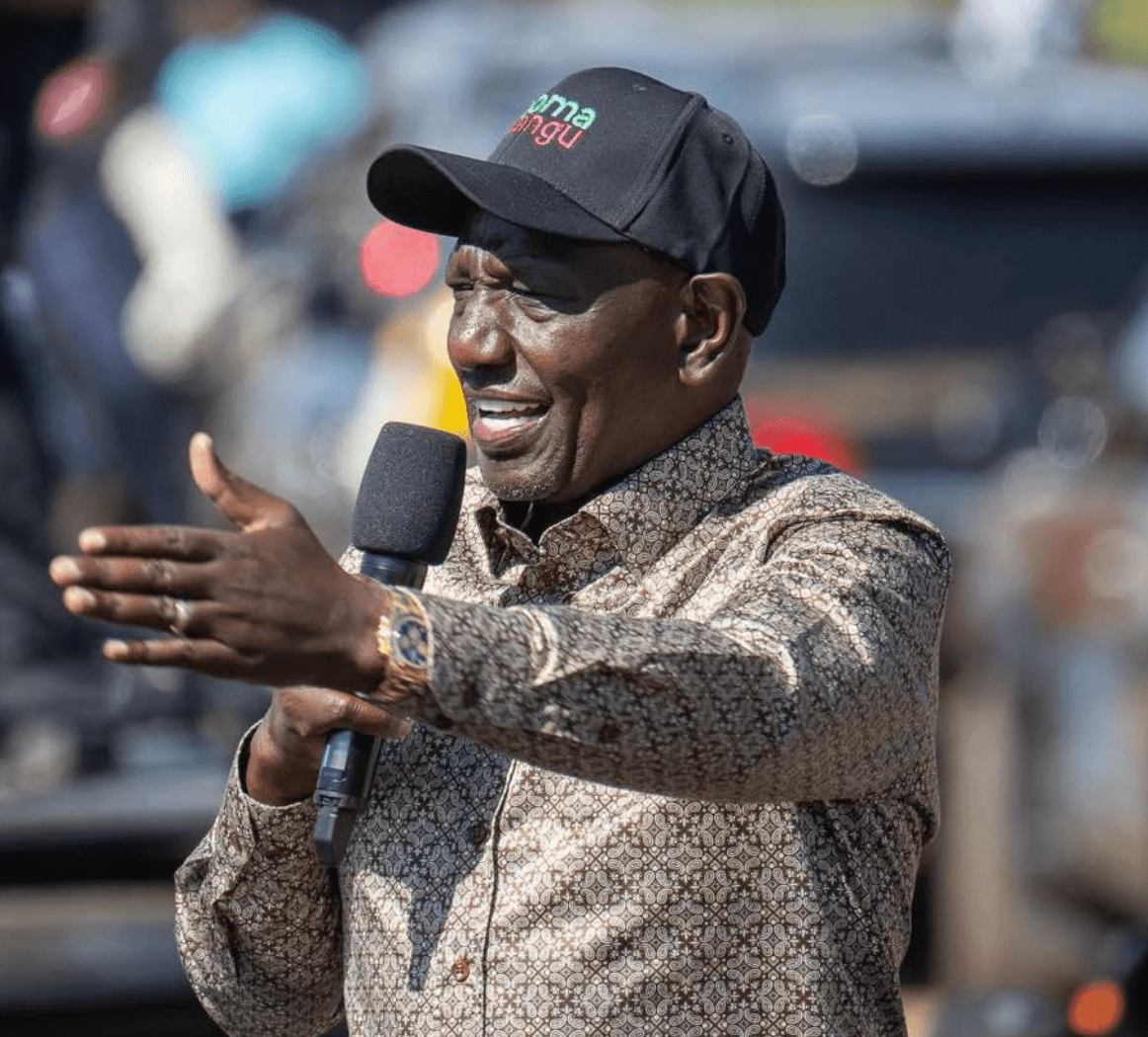
Ruto Announces KSh1.2 Billion University for Emurua Dikirr
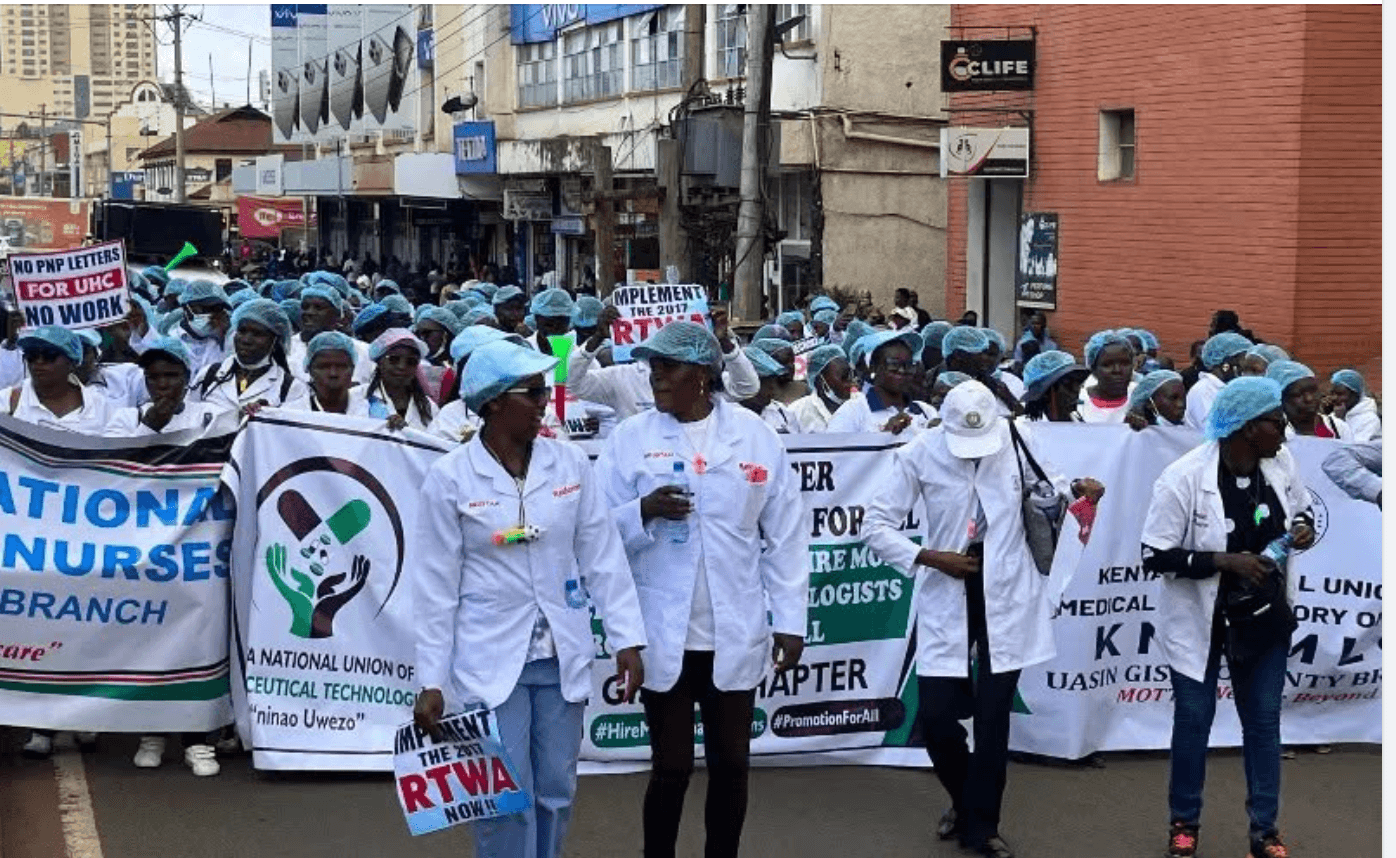
Kenya Nurses' Strike Enters Fourth Week as Talks With Counties Show Progress