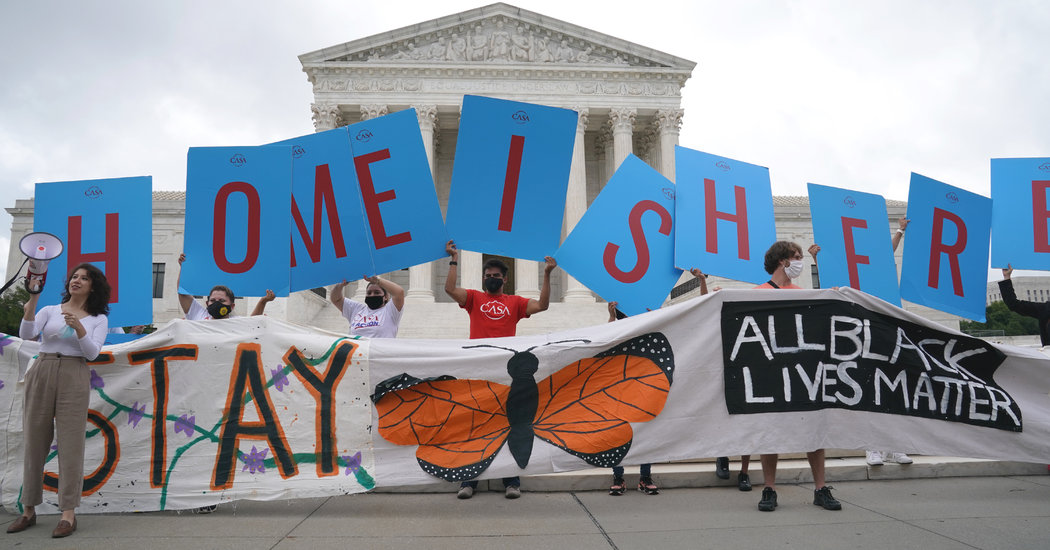
Many of the “Dreamers” have been building promising futures. In 2014, Ms. Pumar became the first DACA recipient to pass the California bar, and, thanks to the program’s work provisions, she was able to start working as an immigration lawyer at a legal-aid organization. Her older brother, Marco, 36, also a DACA recipient, started a company that employs 25 Americans in Orange County.
Then Donald Trump entered the White House and his first attorney general rescinded the program, thrusting the young adults into a state of prolonged uncertainty. Would they lose their jobs? Face deportation? Go back into the shadows like millions of undocumented immigrants, like their parents?
Almost immediately, the courts intervened. Judges ordered the government to keep accepting renewals for DACA status until the Supreme Court had decided whether Mr. Trump had the legal authority to terminate it. But no new applications were accepted.
Many people have not renewed since Mr. Trump terminated the program, weighing the cost against the likelihood that the protection might end, or concerned that the administration could use updated addresses to find their parents and deport them.
Monica Sandoval, 28, an emergency room nurse in Columbus, Ind., has lived in constant fear over the past several years that she would lose her job and have to give up her goal of pursuing a master’s degree to become a nurse practitioner.
“I don’t see myself doing anything else,” said Ms. Sandoval, who lately has been fighting to stabilize coronavirus patients on respirators. “If DACA ends for good, I have no idea how I will manage.”
Marisol Montejano, 36, just graduated with a math degree from California State University San Bernardino, and plans to become a high school teacher. Nearly a decade ago, though, the single mother of two had dropped out of college because she could not afford tuition and books. After obtaining DACA, she was able to return to school, working two jobs with her new legal working status.
Related reporting
More World News →
South Sudan’s Oil Looters: How Young Elite Gatekeepers Plunder Nation While Citizens Starve

General to Private: Kiir Crushes Economic Vice President in South Sudan's $1.7 Billion Corruption Purge
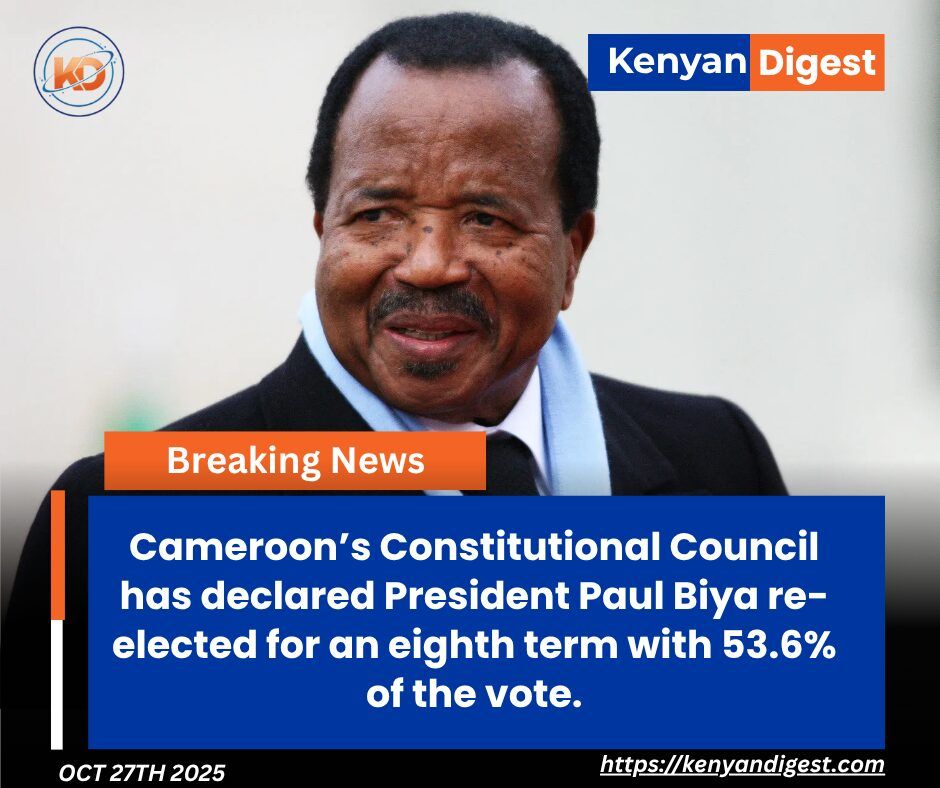
Paul Biya’s Re-Election: What Cameroon’s Political Longevity Reveals About Leadership and Governance in Africa