Mr. Biden would set the annual cap on refugees accepted into the United States at 125,000, far more than the limit of 18,000 that the Trump administration has set for the current fiscal year, and above the cap of 110,000 at the end of the Obama administration. His plan calls for doubling the number of immigration judges, interpreters and court staff members in an effort to address the immigration court backlog. He would also put an end to for-profit detention centers.
Despite a push on the left to abolish Immigration and Customs Enforcement, or ICE, Mr. Biden’s plan stops short of seeking that or even outlining any major restructuring of the agency. His plan says his administration would ensure that personnel at ICE, as well as at Customs and Border Protection, “abide by professional standards and are held accountable for inhumane treatment.”
Mr. Biden’s plan does not call for decriminalizing unauthorized border crossings, a move supported by some other Democratic presidential candidates. Asked on the debate stage in June whether they believed that crossing the border without documentation should be a civil offense instead of a crime, eight candidates raised their hands. Mr. Biden raised a finger.
Later, in an interview on CNN, he said he did not support the decriminalization of such crossings. “I think people should have to get in line, but if people are coming because they’re actually seeking asylum, they should have a chance to make their case,” he said.
Alongside its immigration plan, Mr. Biden’s campaign also released a plan for Central America, which calls for spending $4 billion over four years to address issues that are spurring migration from that region. Earlier this year, Mr. Trump announced he was cutting off aid to Guatemala, Honduras and El Salvador to punish them for not doing enough to stop the flow of migrants, though the administration said in October that it would resume some aid.
Mr. Biden was heavily involved in shaping American policy on Central America as vice president, and the plan released Wednesday comes as his campaign has intensified its efforts to highlight his foreign policy credentials, drawing an implicit contrast with his less-experienced Democratic rivals and an explicit one with Mr. Trump.
“His campaign started out slow in terms of Latino outreach compared to, say, the campaigns of Bernie Sanders, Elizabeth Warren and Julián Castro,” said Domingo Garcia, the president of the League of United Latin American Citizens, though he noted that he has been in touch with the campaign from the beginning, and had discussed its immigration platform. “It appears they realize now the primary is just around the corner. Latino voters are going to be crucial in Iowa and Nevada, and then you have Super Tuesday coming up. I’ve noticed a much larger effort in the last month or so, primarily reaching out to organizations and Latino elected officials.”
Thomas Kaplan reported from Washington, and Katie Glueck from New York. Zolan Kanno-Youngs contributed reporting from Washington.
Related reporting
More World News →
South Sudan’s Oil Looters: How Young Elite Gatekeepers Plunder Nation While Citizens Starve
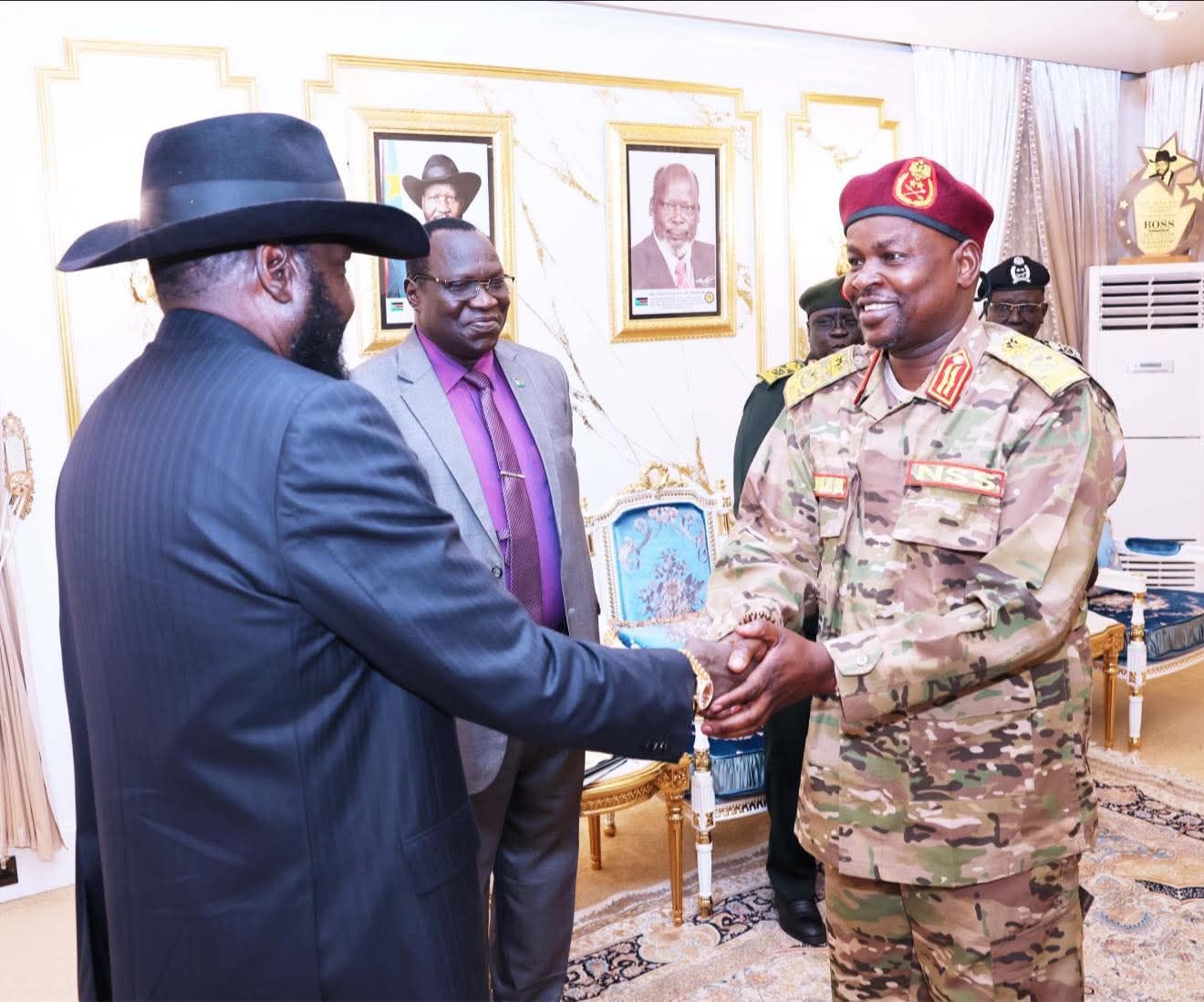
General to Private: Kiir Crushes Economic Vice President in South Sudan's $1.7 Billion Corruption Purge
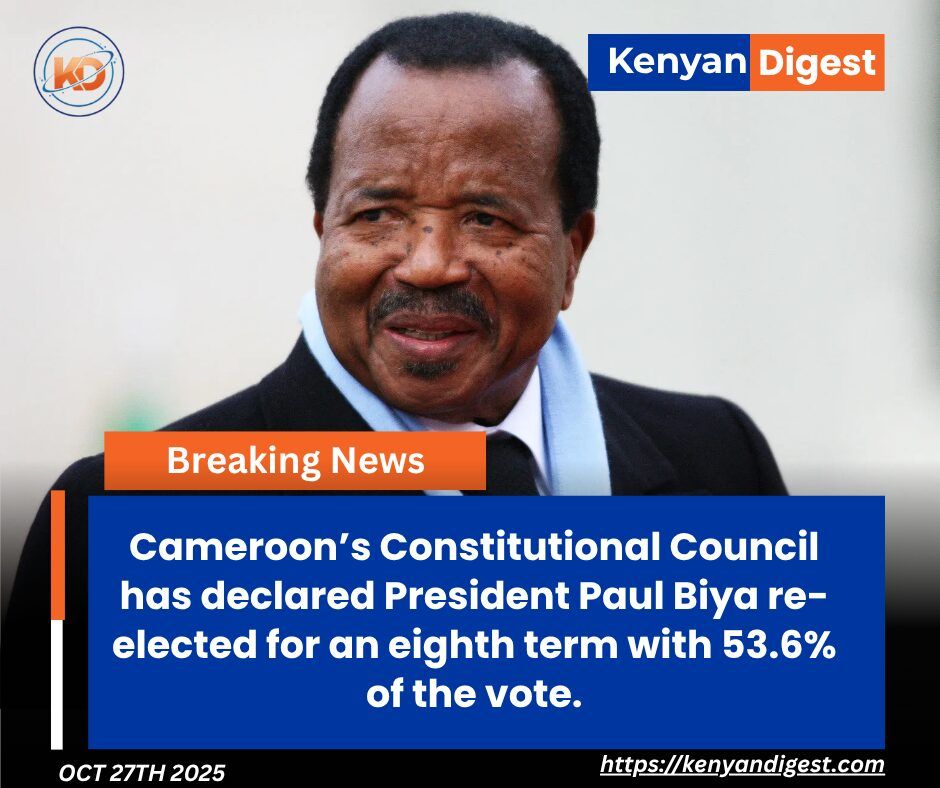
Paul Biya’s Re-Election: What Cameroon’s Political Longevity Reveals About Leadership and Governance in Africa