A new assessment released in Nairobi indicated that the proportion of state contracts awarded to enterprises owned by persons with disabilities rose to 14.38 percent nationwide, while their representation in public-sector workforces stood at only 1.28 percent, well below the 5 percent legal requirement.
The report noted that the national share of Access to Government Procurement Opportunities (AGPO) awards to disability-owned firms increased from 9.84 percent to 14.38 percent, and that in six sampled counties the monetary value of such contracts more than doubled, climbing from KSh46.37 million in the 2024/25 fiscal year to KSh95.46 million in 2025/26, lifting the local AGPO share from 4 percent to 15.1 percent. Over the previous five years the average national share has hovered around 10.4 percent.
Researchers highlighted several obstacles that continue to hinder full participation, including tender notices that are not easily accessible, digital procurement platforms that are difficult for blind or low-vision suppliers, complex bidding rules, limited awareness of opportunities, constrained access to finance and a weak system for tracking disability-disaggregated procurement data. The institutional assessment gave a timely-payment score of just 40 percent, signalling cash-flow pressures for small firms.
Employment figures drawn from seven public institutions showed that 371 of roughly 29,011 staff members were persons with disabilities, representing 1.28 percent of the workforce. Of ten institutions examined for compliance with the Persons with Disabilities Act, 2025, three reported meeting the 5 percent quota, four fell short and three could not confirm their status because workforce data were unavailable. Scores for budgetary provision for reasonable accommodation and for digital accessibility were 36.7 percent and 33.3 percent respectively.
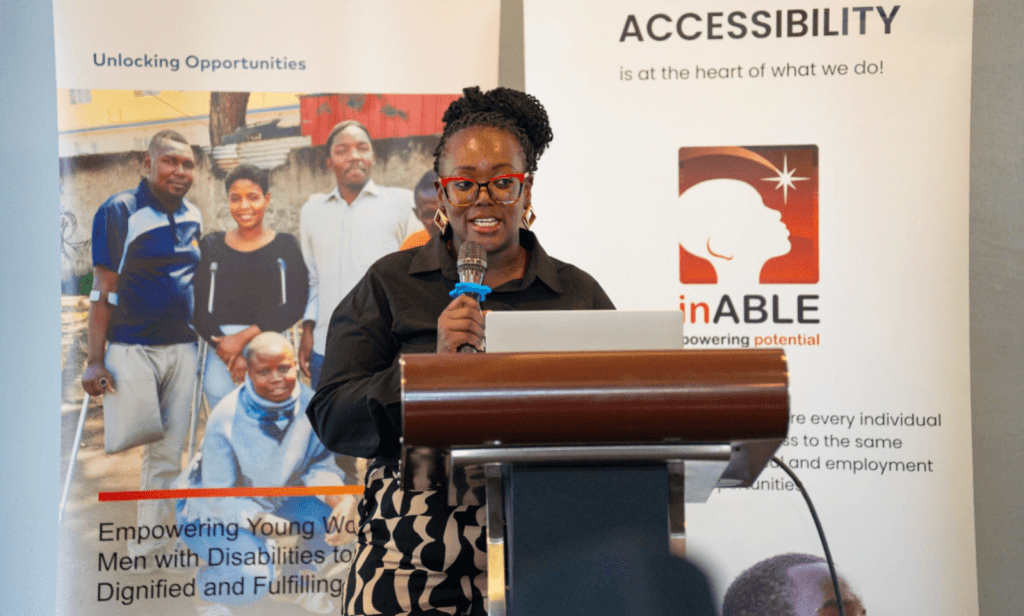
Isaac Mwaura, who heads the Office of Diversity, Inclusion and Disability Rights in the Executive Office of the President, urged a shift from treating inclusion as a checklist to recognising its contribution to growth, stating, “A business owned by a person with a disability can deliver quality, innovation and value just like any other enterprise.” Charles Warria, programmes director at inABLE, added that Kenya has drafted robust legislation but now must turn those laws into reality for the intended beneficiaries.
Eannes Ongus, deputy director for resource mobilisation and partnerships at the Public Procurement Regulatory Authority, acknowledged that while procuring entities are setting aside tender portions under AGPO, converting those reservations into actual contract awards remains problematic, citing internet connectivity issues and difficulties navigating the e-government procurement system. He said the authority will keep strengthening compliance monitoring and improving service access.
The Unlocking Opportunities Programme, delivered by Humanity and Inclusion together with inABLE, Next Step Foundation and Riziki Source and financed by the Mastercard Foundation, will use the study’s recommendations to support public and private organisations in refining procurement practices, enhancing workplace accessibility and ensuring timely payments to disability-owned suppliers.
Related reporting
More General News →
National Youth Service Seeks Additional KSh29.56 Billion to Fund 60,000 Recruits
PBORA Sets May 14 2027 Deadline for NGOs to Move to PBO Framework

High Court Dismisses Petition to Void Life Imprisonment