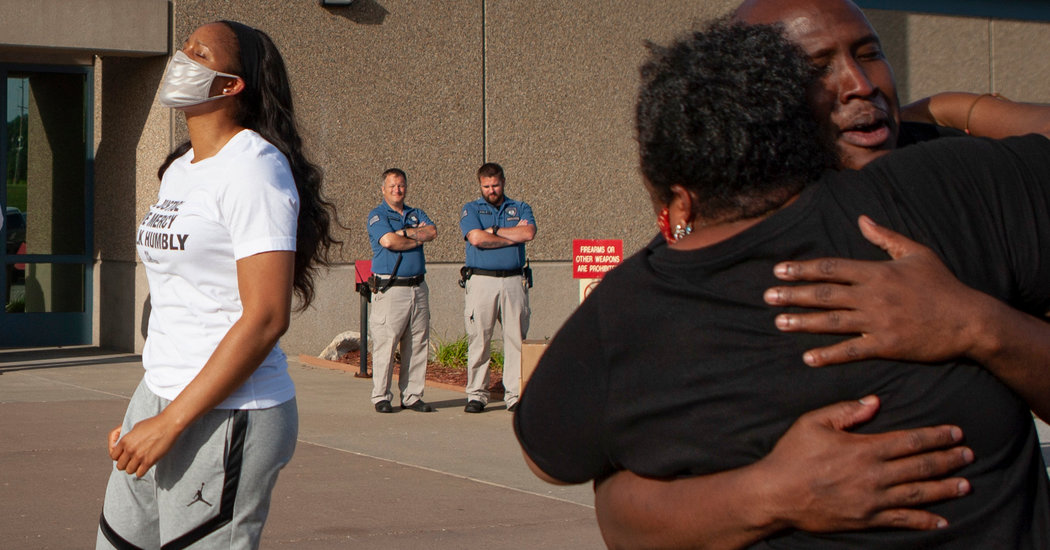
Shortly before her freshman season at the University of Connecticut in 2007, Moore met Irons through family members who had become close to him through a prison ministry. She and Irons formed a siblinglike bond, and as she learned more about the details of his case she vowed to help him prove his innocence.
She first went public with her decision to leave basketball in order to help free Irons in a short essay in the Players’ Tribune. It took months for her decision to make a deep impression with sports media and fans. When she walked the streets of Atlanta, her adopted hometown, few recognized her.
Her story didn’t garner anywhere near the attention that would have gone to a male player with her level of stature in the sport.
Said Davis, the Penn State professor: “When people are reporting on LeBron or the N.B.A. players doing something for society, and they know they need to nod to a woman they will be like, ‘Oh, and there is also Maya Moore’s work.’ Generally, without deeply considering what it is she is doing and the sacrifice that is required.”
Moore is hardly fazed. Like most female athletes, she is used to fighting against being overlooked.
Four years ago, on the heels of the police killings of Philando Castile in a Minneapolis suburb and Alton Sterling in Baton Rouge, La., along with the murder of five police officers in Dallas by a gunman showing signs of mental health problems, Moore and her Minnesota Lynx teammates engaged in a potent protest. In pregame warm-ups they wore T-shirts with the names of Castile and Sterling, the Dallas police shield, and the phrases “Justice and Accountability” and “Black Lives Matter.”
The move proved controversial — drawing the ire of the W.N.B.A., and prompting four off-duty Minneapolis police officers who worked security at Lynx’ games to walk off the job — but it soon spawned imitators and support from players across the league.
Weeks later, Kaepernick knelt during the national anthem.
Moore and her teammates were ahead of the curve.
Related reporting
More World News →
Saudi Prince Found Dead in Hotel Bathroom as Inquest Rules Death Was Misadventure
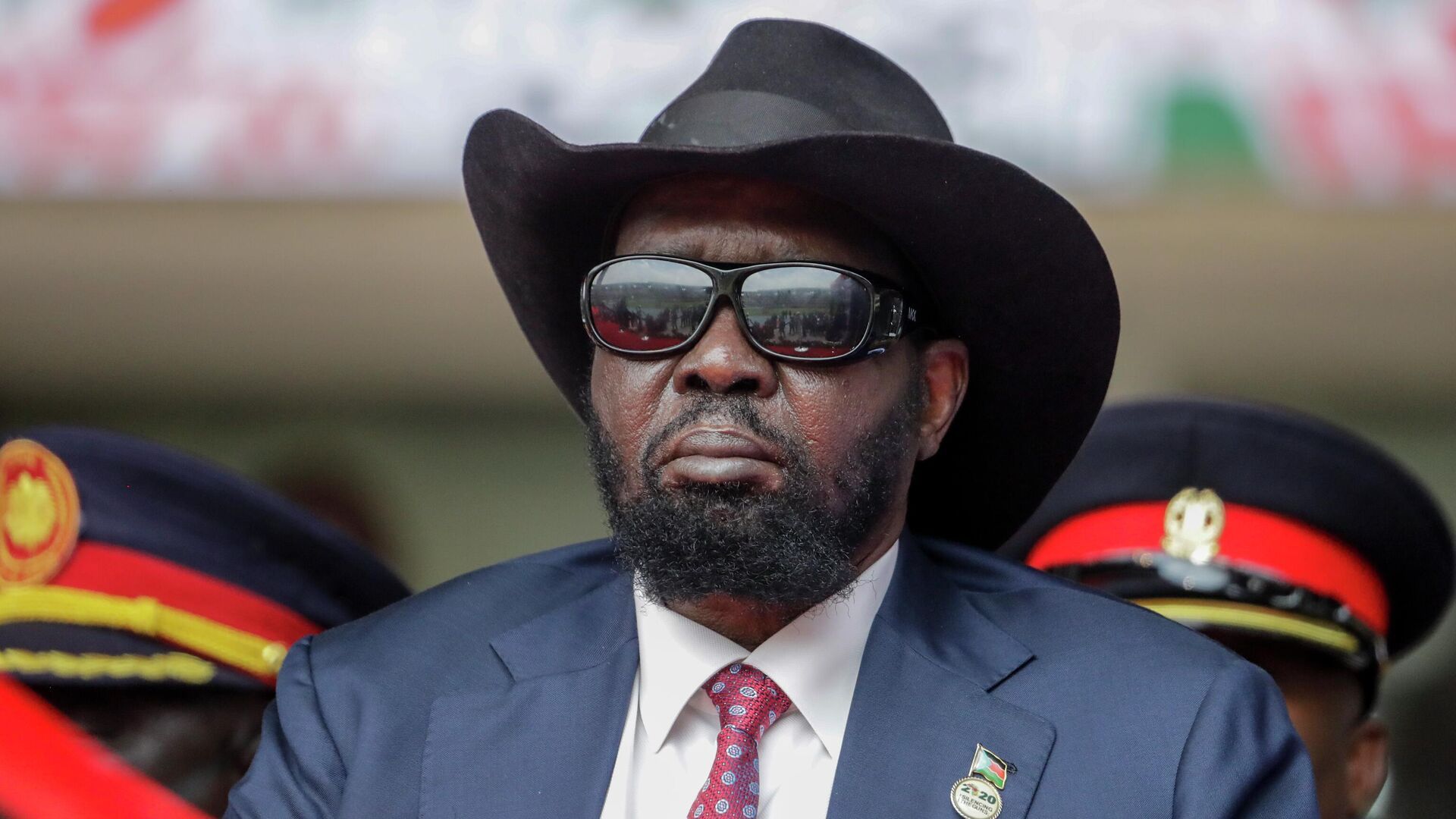
South Sudan at the Brink: How Corruption Tightens Its Grip on a Rare Working Institution
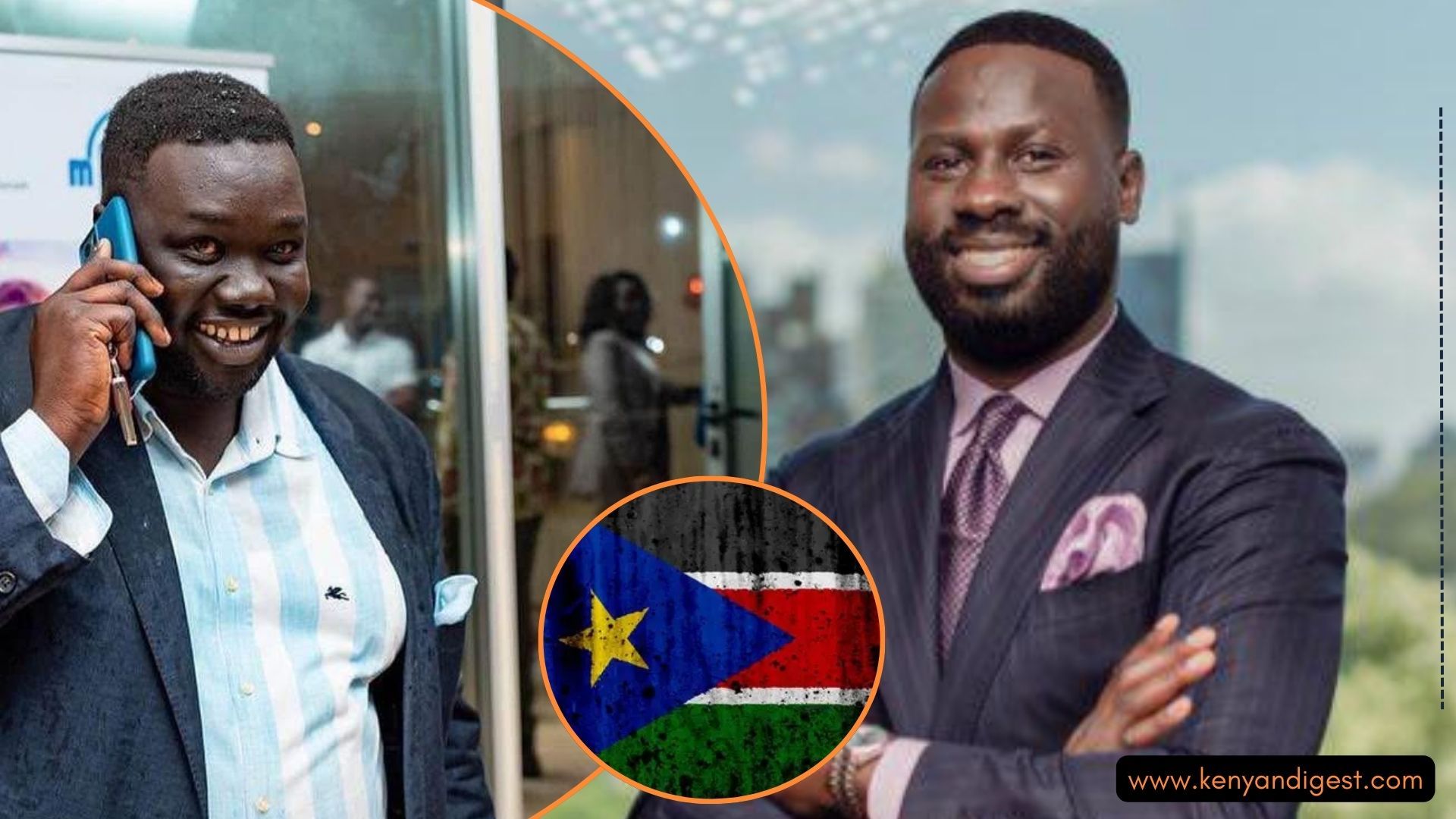
South Sudan’s Oil Looters: How Young Elite Gatekeepers Plunder Nation While Citizens Starve