The policy’s socioeconomic fallout is dire — and local governments are keeping a meticulous record of it. One spreadsheet from 2017 for one town in Yarkand County, which listed households with low incomes that might qualify for welfare, included a young family with five children between the ages of three and 14. The father had been imprisoned, the mother placed in a re-education camp and the children, in effect, orphaned.
In another, hardly unusual, case, a household’s two working-age parents were detained, leaving elderly grandparents — including a grandmother described as “seriously ill” — to care for two toddlers. In a column with the header “reason for poverty,” the relevant spreadsheet offers this explanation: “lacks labor force and finances.” The toddlers’ father isn’t scheduled to be released until 2030.
Another spreadsheet from September 2018 shows lists of loan defaulters in Pilal Township, Akto County. In 80 percent of the cases where the reason for default was listed as “internment,” most of the borrowed funds were shown to still be in the bank.
A particularly depressing example comes from a village in Yarkand County. A Uighur farmer and head of a family of five was interned in 2017. In October 2016, he had received a loan of 40,000 renminbi (nearly $5,700) to purchase agricultural machinery. The equipment went unused during his detention — no other family member knew how to operate it — and the loan could not be repaid as scheduled. The government directed the family to rent out the equipment and send its oldest child, a son, to work. The family was then officially marked as having been “poverty-alleviated by benefiting from policies.” In June 2018, after his release, the farmer applied for financial assistance so he could repay the loan and related interest. In January 2019, he started to work in the Yarkand County textile industrial park, earning just 800 RMB (about $113) a month. By then, the son, age 20, had somehow become disabled and was listed on government forms as unable to work.
Thanks to these new document disclosures, we now have hard evidence — and the government’s own evidence — that in addition to implementing a vast internment program in Xinjiang, the Chinese Communist Party is deliberately breaking up families and forcing them into poverty and a form of indentured labor. For all its efforts at secrecy, the Chinese government can no longer hide the extent, and the reach, of its campaign of repression in Xinjiang.
Some important elements are still unknown. The total internment figure remains a well-guarded secret. (Based on the new evidence, I have revised my own estimate: I think that between 900,000 and 1.8 million people have been detained in Xinjiang since the spring of 2017.) Also missing from the official documents that have surfaced so far are precise records of how the detainees are treated and how, exactly, the process of re-education works. (About those things, however, we have witness accounts.) The confidential telegram and local files do not mention the use of physical violence — but for one notable exception. The telegram states that people who resist brainwashing must be singled out for “assault-style re-education.” Yet another sinister understatement, and it suggests that force and torture may, in fact, be widely used.
In a way, though, we already know all that we really need to know. The documents that have been disclosed these past few weeks reveal the staggering scale of the repression in Xinjiang and its ruinous effects on the region’s ethnic communities, well beyond the camps themselves. Consider this: Official statistics show that the combined net population growth rates of Hotan and Kashgar, two of the largest Uighur regions, dropped by about 84 percent between 2015 and 2018.
Related reporting
More World News →
South Sudan’s Oil Looters: How Young Elite Gatekeepers Plunder Nation While Citizens Starve
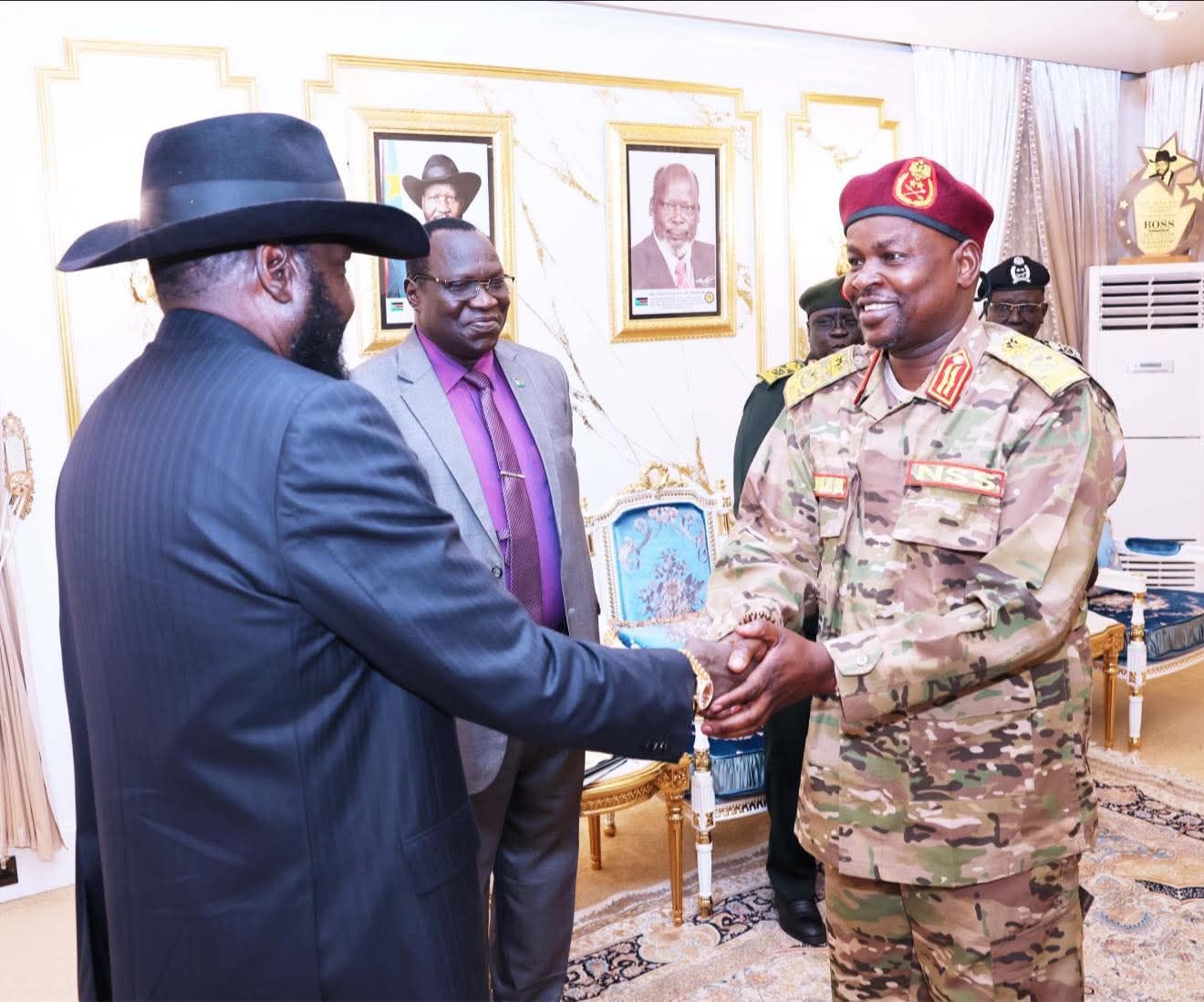
General to Private: Kiir Crushes Economic Vice President in South Sudan's $1.7 Billion Corruption Purge
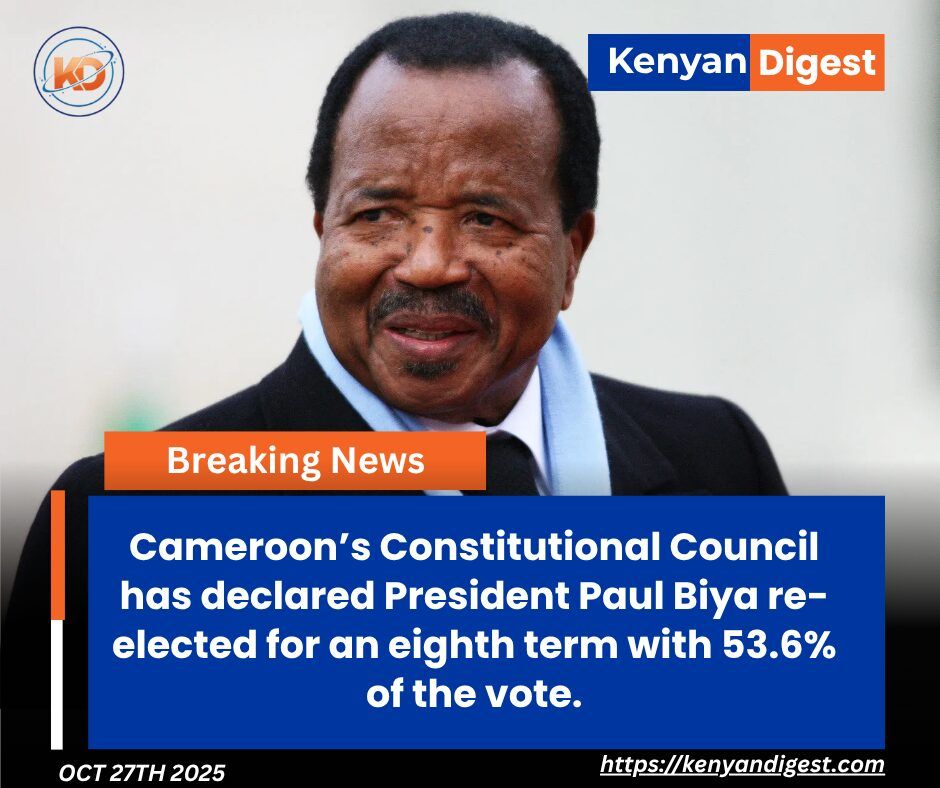
Paul Biya’s Re-Election: What Cameroon’s Political Longevity Reveals About Leadership and Governance in Africa