But those defenders are, on account of one excuse or another, capitulating to people who claim free speech for themselves (but not for others), who believe all the old patriarchal hierarchies must go (so that new “intersectional” hierarchies may arise), who are in a perpetual fervor to rewrite the past (all the better to control the future), and who demand cringing public apologies from those who have sinned against an ever-more radical ideological standard (while those apologies won’t save them from being fired).
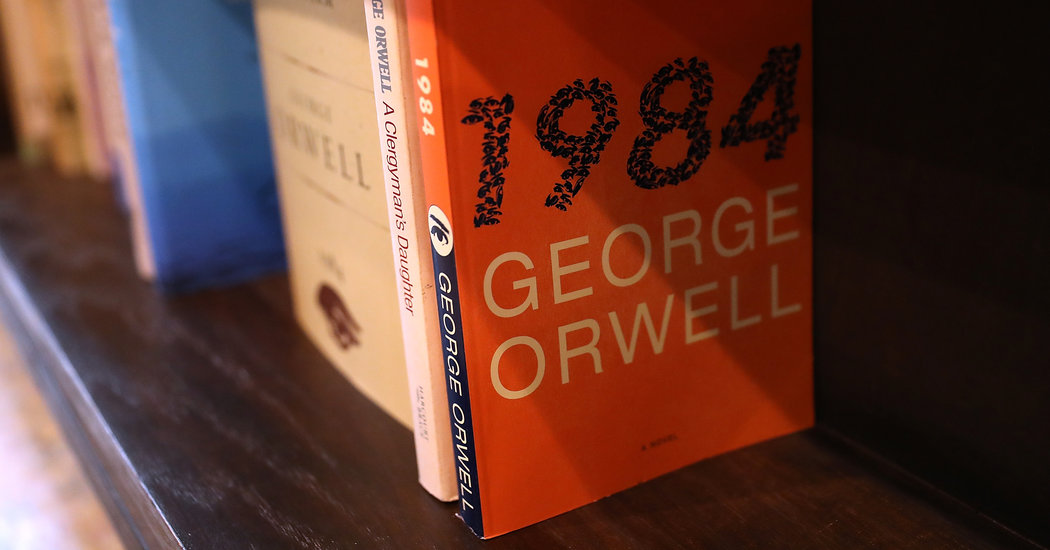
As in so much else, George Orwell was here before us. In connection to the recent vandalism of monuments and destruction of statues, a line from “1984” has been making the rounds — “every book has been rewritten, every picture has been repainted, every statue and street and building has been renamed, every date has been altered.” But the Orwell essay to which I keep returning is a little jewel from 1946, “The Prevention of Literature.”
Orwell’s concern then was not just with Russian totalitarianism, but with the arguments used by much of the Western intelligentsia to justify repression.
“What is sinister,” he wrote, “is that the conscious enemies of liberty are those to whom liberty ought to mean most.” He was particularly calling out Western scientists who admired the Soviet Union for its technical prowess and were utterly indifferent to Stalin’s persecution of writers and artists. “They do not see that any attack on intellectual liberty, and on the concept of objective truth, threatens in the long run every department of thought.”
Every department of thought. Right now, all the Twitter furors, the angry rows over publication decisions, the canceled speeches and books, the semantic battles about which words take an uppercase and which don’t, may seem remote to those who care about more tangible issues: depression, disease, police abuse, urban decline. Yet the issue that counts the most is whether the institutions that are supposed to champion liberal ideals will muster the moral confidence to survive. On this July 4, it’s very much in doubt.
The Times is committed to publishing a diversity of letters to the editor. We’d like to hear what you think about this or any of our articles. Here are some tips. And here’s our email: [email protected].
Follow The New York Times Opinion section on Facebook, Twitter (@NYTopinion) and Instagram.
Related reporting
More World News →
South Sudan’s Oil Looters: How Young Elite Gatekeepers Plunder Nation While Citizens Starve
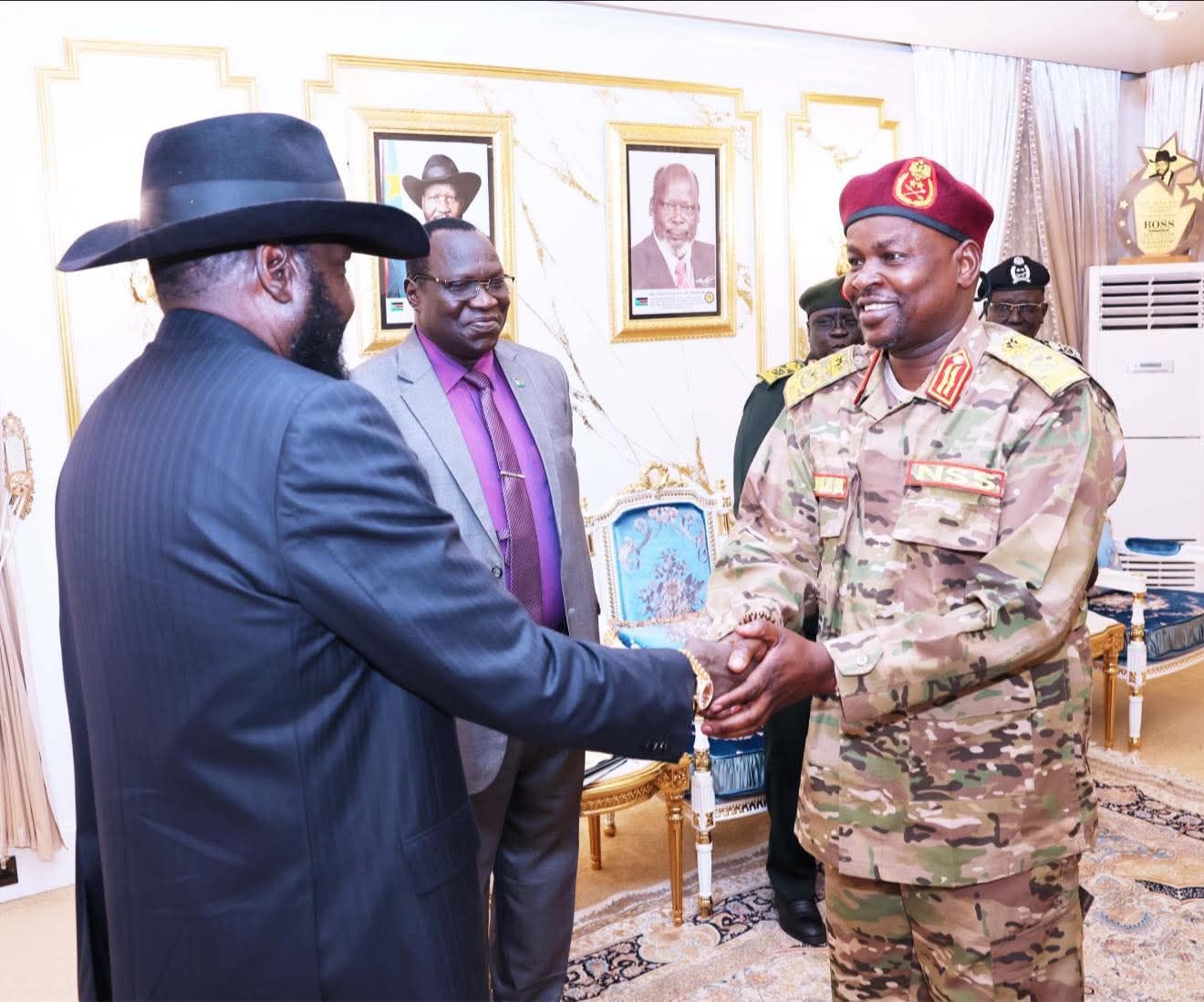
General to Private: Kiir Crushes Economic Vice President in South Sudan's $1.7 Billion Corruption Purge
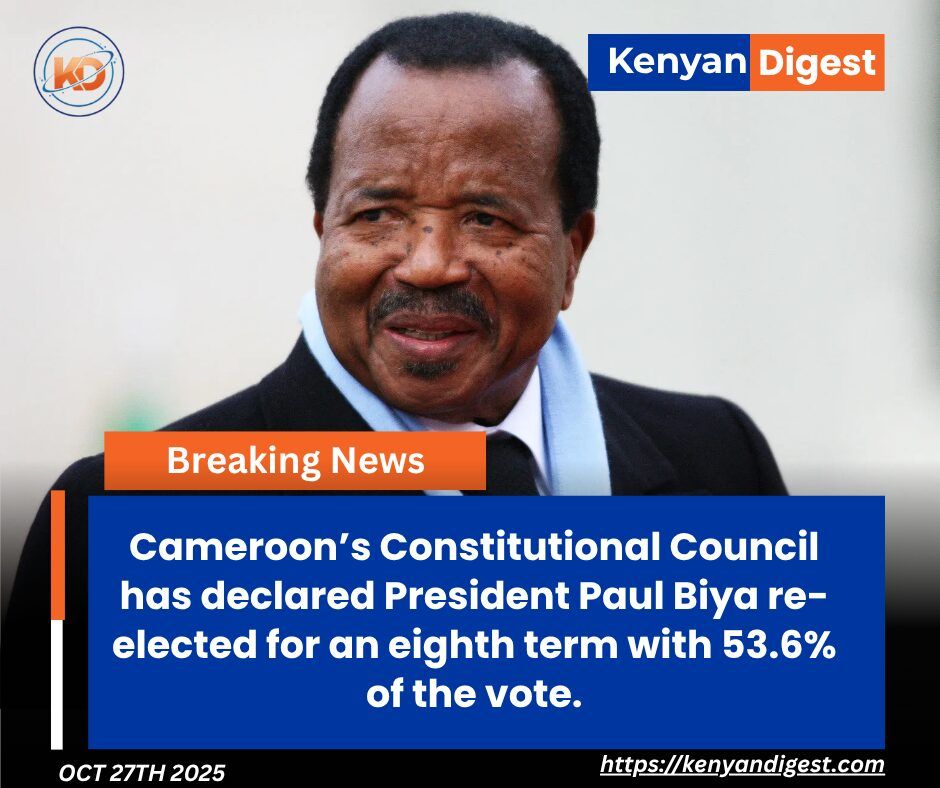
Paul Biya’s Re-Election: What Cameroon’s Political Longevity Reveals About Leadership and Governance in Africa