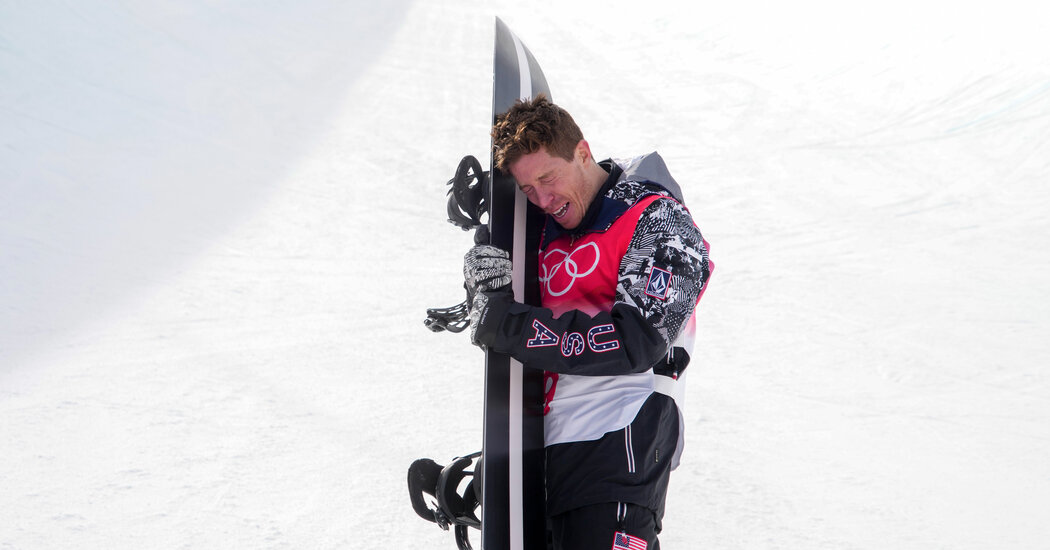
He had hoped to plant a big run in his first attempt, to put pressure on his competitors and give himself room to try to elevate even higher in rounds 1 and 2.
The competition promised to be high-flying, and it was. A strong Japanese contingent had eyes on spinning their way to the podium, led by three Hiranos — Ayumu (a two-time silver medalist), Kaishu (his little brother) and Ruka (no relation).
James, a lanky Australian who has led the world circuit in recent years, came in search of an elusive gold medal. Taylor Gold, the American veteran who fought years of injuries after his 2014 Olympic appearance, brought his technical, old-school style, hoping judges would award ingenuity, not just rotations.
But the focus was on White. He had called this a farewell tour, though it was unclear if it was him saying goodbye to competitive snowboarding or fans saying goodbye to him. Both, probably. Either way, it was not an exhibition, and White was granted no favors. White earned his way to the Olympics, after a long season of injuries, Covid and doubts. And then into the final.
He seemed re-energized, and relieved, to have made it through qualifications on his second and final run — drama, always drama — knowing that he would leave the sport still in the most elite class.
Beginning in Turin 16 years ago, through Vancouver, Sochi and Pyeongchang, White ended up on a nondescript mountainside more than 100 miles northwest of Beijing to make his final rides. There were more reporters and cameras gazing at him than fans, the grandstands mostly empty because of the pandemic. But there were countless people watching on screens around the world, including White’s family and friends in and around his native San Diego.
Related reporting
More World News →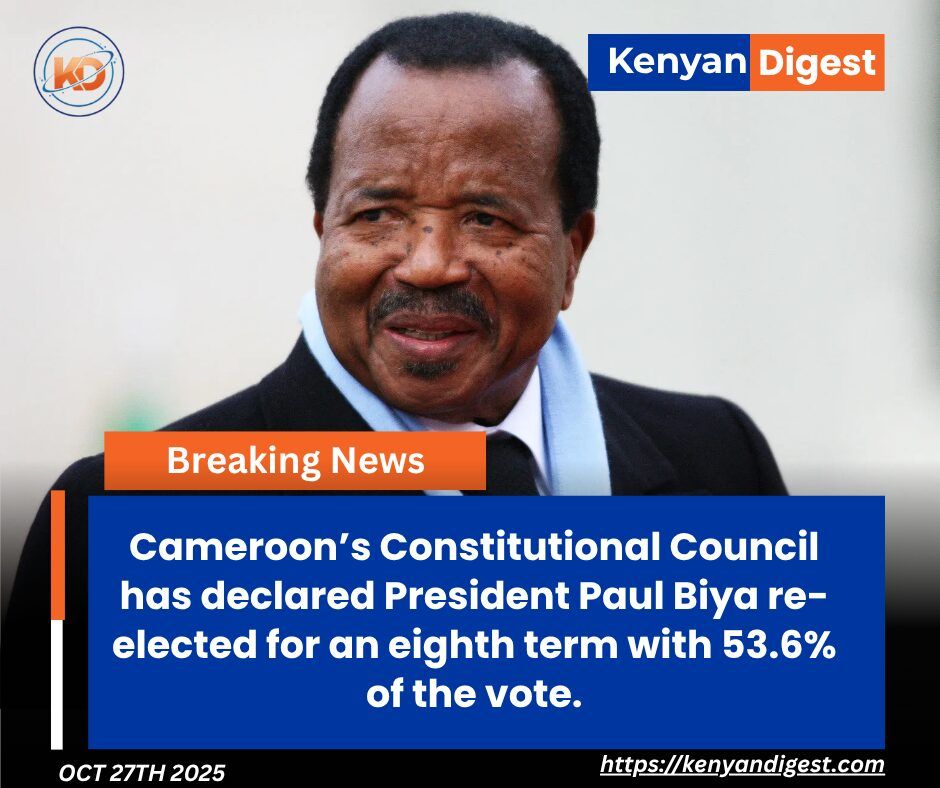
Paul Biya’s Re-Election: What Cameroon’s Political Longevity Reveals About Leadership and Governance in Africa

From Power to Prison: The Fall of France’s Former President Nicolas Sarkozy
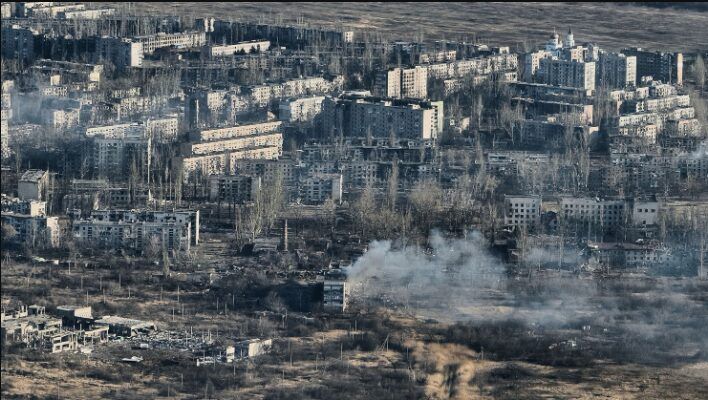
The War in Ukraine: A Comprehensive Analysis of the Conflict
