Most guys who go to the gym haven’t the foggiest idea of just how important your choice of shoes is for you. You see, shoes offer support for your feet and picking the wrong shoes could mean a problematic time at the gym.
How skinny guys can bulk up
The thing about the kicks you rock to the gym is that it should be simple, no need for flash and razzmatazz. Keep it simple and functional. After all, form follows function. Now let us talk about the types of shoes you really need.
Squats: Squat shoes (SS) can allow for hitting a greater squat depth as a result of the elevated heel increasing initial plantarflexion by ~3.5-5deg. This can be beneficial for those with poor ankle mobility (most people).
Furthermore, as deeper squat depths have shown to be better for glute activation (Caterisano2002), this can thus aid those seeking to grow their booty. Along with increased squat depth, SS have also shown to aid in keeping a more upright torso (Fortenbaugh et al 2010, Legg et al 2017, Sato et al 2012) which can be beneficial for maintaining the bar over your COG (centre of gravity) & reducing the shear on the lumbar spine that results from forward lean (Myer 2014).
Finally, SS is a lot more stable around the ankle & due to their HARD soles can aid in creating more force as, unlike running shoes which absorb the ground impact forces for you, SS allow you to use those forces to your advantage. Though SS may be best for squatting, an obvious (yet significant) downside of them is their price so if you have the disposable income then go ahead & buy a pair, if not, potentially consider barefoot or chucks which still have a flat hard sole

Deadlifts: Same as above as the goal is to create as much force as possible thus many will opt to STILL go with SS or switch to chucks/barefoot which still have a HARD sole to push from
Running: Choice of running shoe is an important issue for runners as certain models of shoes can improve running economy (Fuller et al 2015). However, overall, unlike when squatting/deadlifting, a more padded sole which absorbs ground impact forces is advised when running as minimalist shoes have been associated with increased injury (Ryan et al 2014)
Source: Scott Murray
Related reporting
More Entertainment →
SportyBet Kenya Bonus for January 2026 - Uncover Unique Offers!
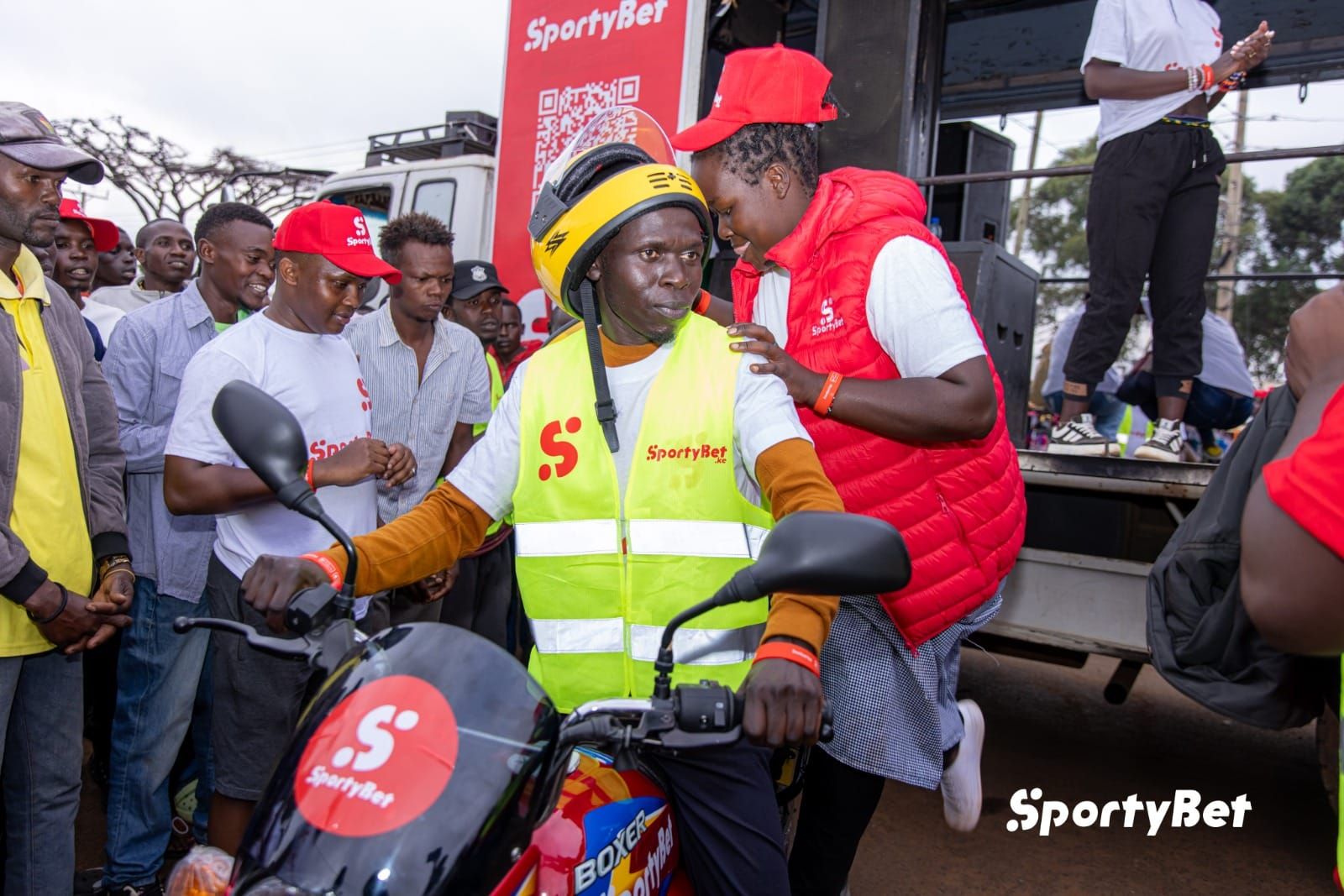
Chepterit Comes Alive As SportyBet Kenya Gifts Motorbike to Loyal Fans

Nest Lounge Narok Under Scrutiny as KRG The Don Shooting Incident Triggers Government Silence and Maasai Community Outcry