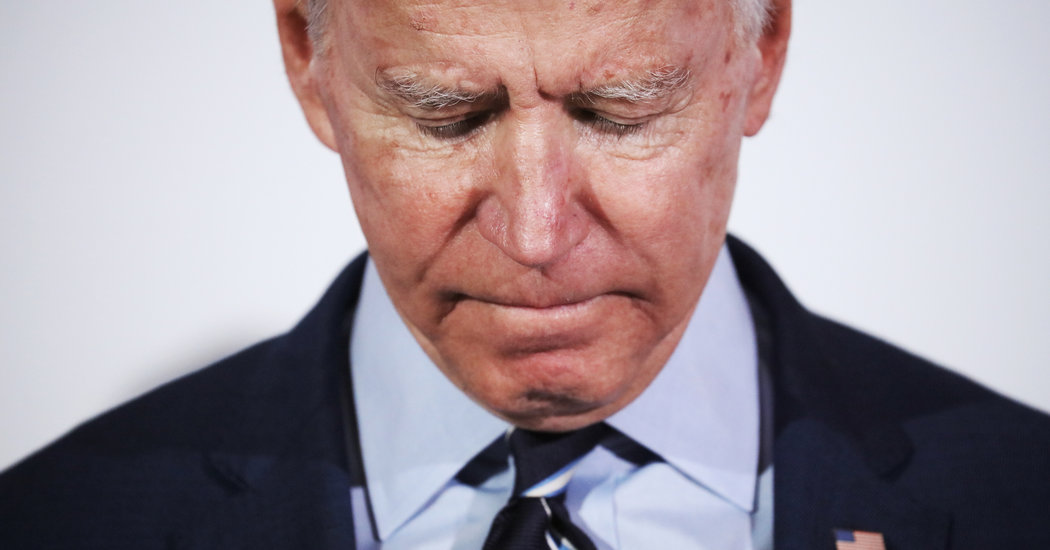
Mr. Biden’s biggest problem is structural. Most of our online political communication takes place on internet platforms that are designed to amplify content that provokes strong emotional reactions, often by reinforcing tribal identities. Mr. Trump’s unfiltered, combative style is a natural fit for the hyperpolarized audiences on Facebook and Twitter, whereas Mr. Biden’s more conciliatory, healer-in-chief approach can render him invisible on platforms where conflict equals clicks.
Those structural disadvantages hobbled Hillary Clinton’s 2016 social media campaign, which struggled for traction despite big budgets and her name recognition. The Trump campaign also paid lower effective rates for Facebook ads than the Clinton campaign because Facebook’s automated ad-buying system gives more reach to ads that generate lots of engagement.
Rob Flaherty, the digital director for the Biden campaign, said in an interview that he considered the 2020 election a “battle for the soul of the internet,” which required not just taking shots at Mr. Trump but inspiring people to come together around Mr. Biden.
“If you want to succeed on the internet without turning into Donald Trump, the best thing you can do is show empathy and compassion, and build community,” Mr. Flaherty said. “Our digital strategy is going to reflect that.”
YouTube, where progressives have only recently started competing for attention with an extensive network of popular right-wing creators, is particularly thorny territory for a centrist pragmatist like Mr. Biden. The platform’s left-wing commentariat, often referred to as “LeftTube” or “BreadTube,” mostly seems to consist of young Sanders supporters who see Mr. Biden as an establishment phony. Video compilations of Mr. Biden’s verbal gaffes, with titles like “17 Minutes of Joe’s Melting Brain,” have gotten millions of views over all.
Joe Rogan, a popular talk show host with an enormous YouTube following, endorsed Mr. Sanders this year. After Mr. Sanders withdrew from the race, Mr. Rogan stated that he would prefer to vote for Mr. Trump than Mr. Biden, saying of the former vice president: “The guy can barely remember what he’s talking about while he’s talking.”
Facebook and Twitter are friendlier turf for Mr. Biden, but he is still lagging far behind Mr. Trump, whose rapid-fire posts routinely make him the most visible figure on each platform. In the last month, Mr. Trump’s posts got 42.6 million interactions on Facebook, including likes, comments and shares, according to CrowdTangle, a Facebook-owned data tool. Mr. Biden’s Facebook posts got just 3.4 million interactions in the same time period.
Related reporting
More World News →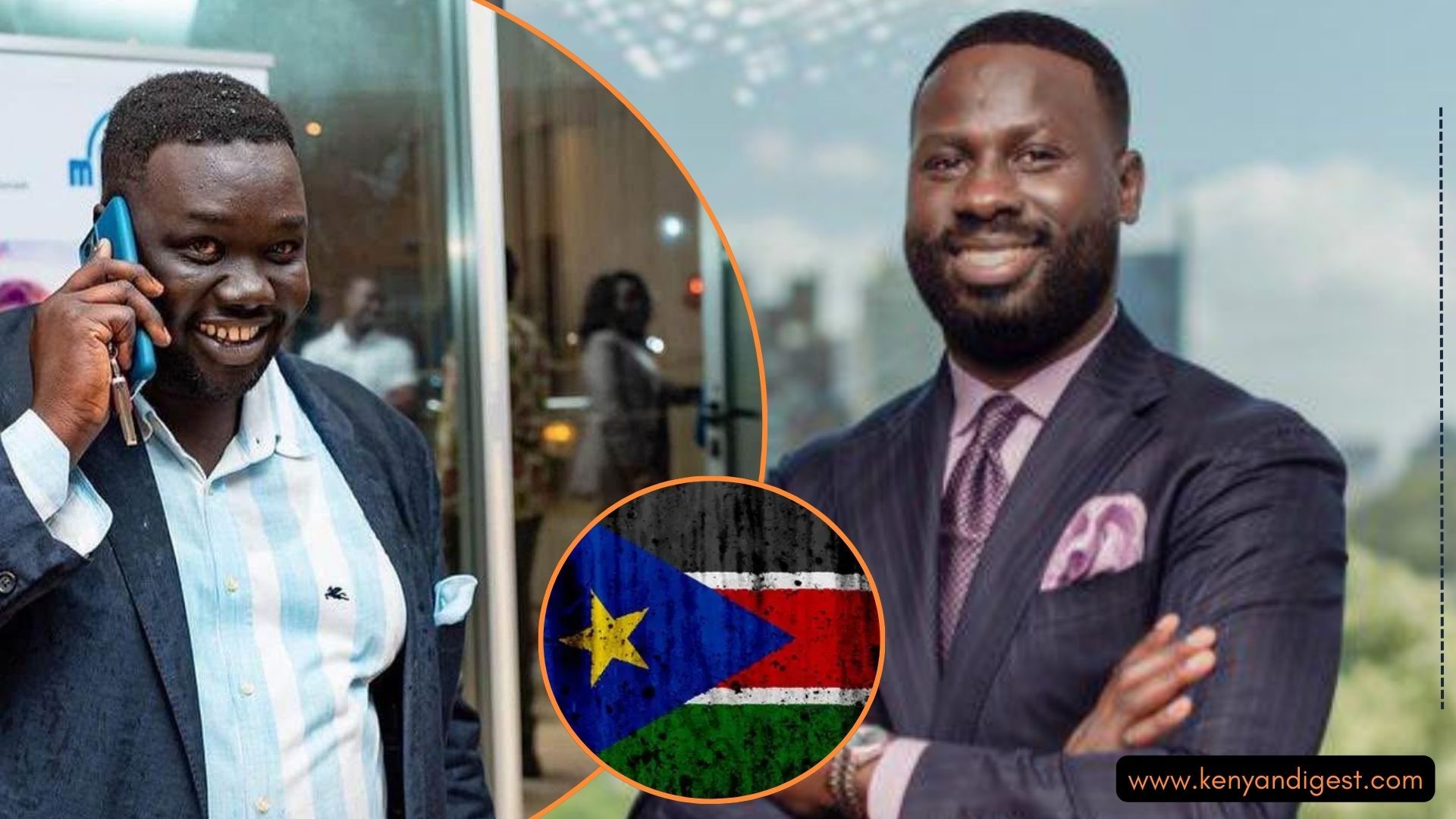
South Sudan’s Oil Looters: How Young Elite Gatekeepers Plunder Nation While Citizens Starve

General to Private: Kiir Crushes Economic Vice President in South Sudan's $1.7 Billion Corruption Purge
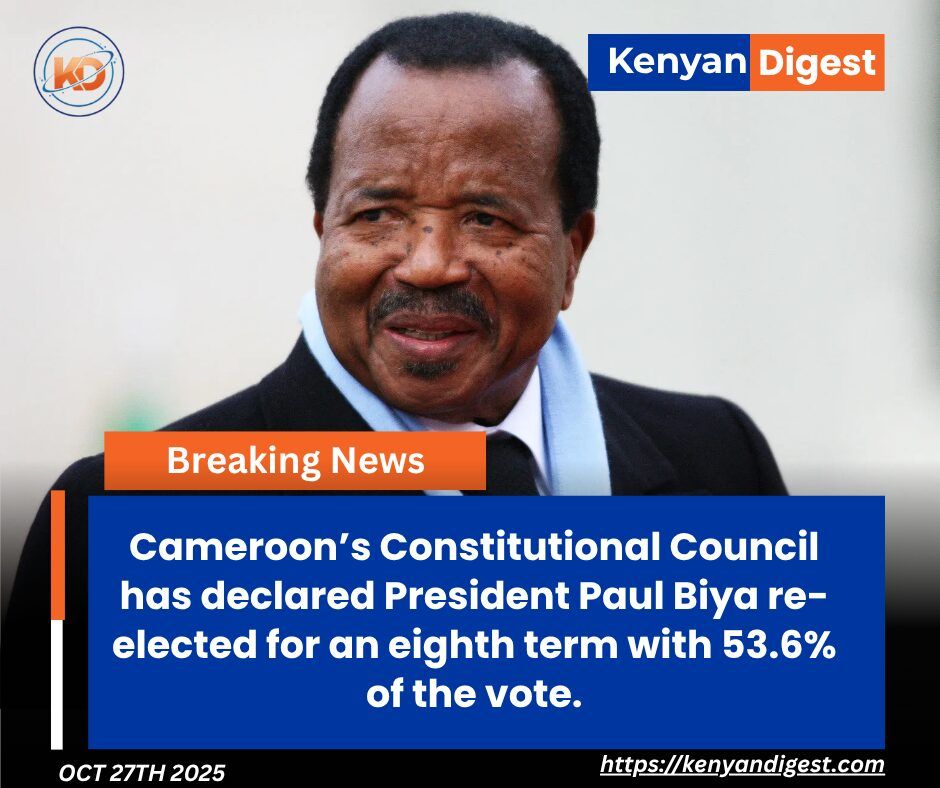
Paul Biya’s Re-Election: What Cameroon’s Political Longevity Reveals About Leadership and Governance in Africa