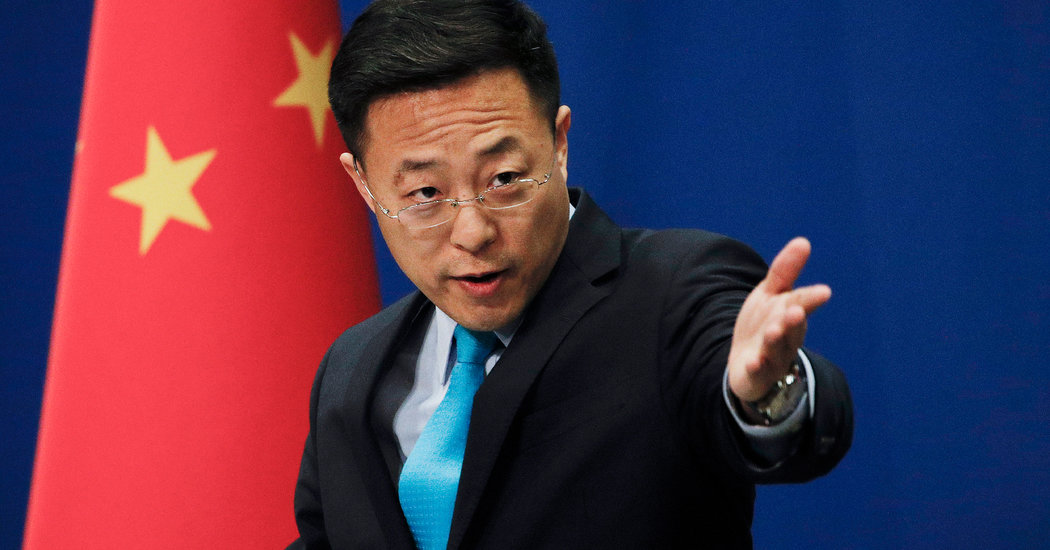
The full scope of the directive was not immediately clear.
In a translated statement, a Ministry of Foreign Affairs spokesman said the decisions “are entirely necessary and reciprocal countermeasures that China is compelled to take in response to the unreasonable oppression the Chinese media organizations experience in the U.S. They are legitimate and justified self-defense in every sense. What the U.S. has done is exclusively targeting Chinese media organizations, and hence driven by a Cold War mentality and ideological bias.”
Reporters at foreign news outlets were among those who aggressively reported on the coronavirus pandemic in January and February, including in its earliest days, when it was a regionalized outbreak in central China and the Chinese government sought to downplay its severity. The news organizations have also reported in the past year on other issues deemed extremely sensitive by Chinese officials, including the mass internment of Muslims in the Xinjiang region and the shadowy business dealings of family members of leaders, including President Xi Jinping.
American officials had been bracing for a retaliatory move by Beijing. On March 3, after the Trump administration announced new regulations on five Chinese state-run news organizations working in the United States, Hua Chunying, a Foreign Ministry spokeswoman, wrote on Twitter, “Now the U.S. has kicked off the game, let’s play.” That was widely seen as a signal of imminent retaliation.
Tensions between Washington and Beijing over news organizations started to ramp up last month. On Feb. 18, the Trump administration declared that employees of five state-controlled Chinese news organizations — Xinhua, CGTN, China Radio, China Daily and The People’s Daily — were not practitioners of journalism, but government operatives. As such, the State Department announced, they would be treated as foreign government functionaries.
The next day, China announced that it would expel three Journal staff members based in Beijing in retaliation for an earlier headline on an opinion column, “China Is the Real Sick Man of Asia,” which criticized the Chinese government’s handling of the coronavirus outbreak in Wuhan. Two of the Journal reporters, Josh Chin, an American, and Philip Wen, an Australian, flew out of Beijing the next week. A third reporter, Chao Deng, an American, had been reporting in the virus containment zone of Wuhan and could not leave.
Related reporting
More World News →
Saudi Prince Found Dead in Hotel Bathroom as Inquest Rules Death Was Misadventure
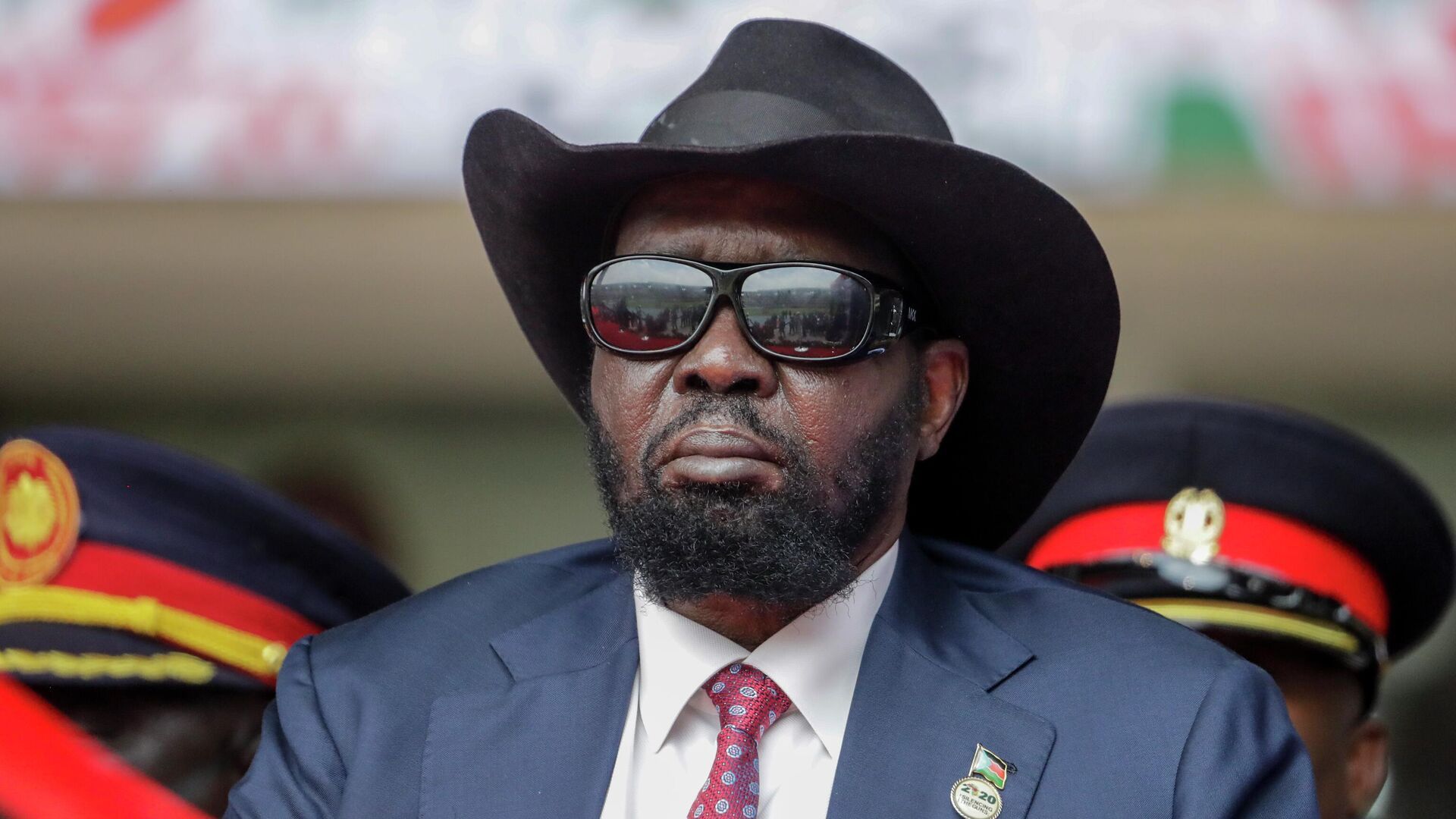
South Sudan at the Brink: How Corruption Tightens Its Grip on a Rare Working Institution

South Sudan’s Oil Looters: How Young Elite Gatekeepers Plunder Nation While Citizens Starve