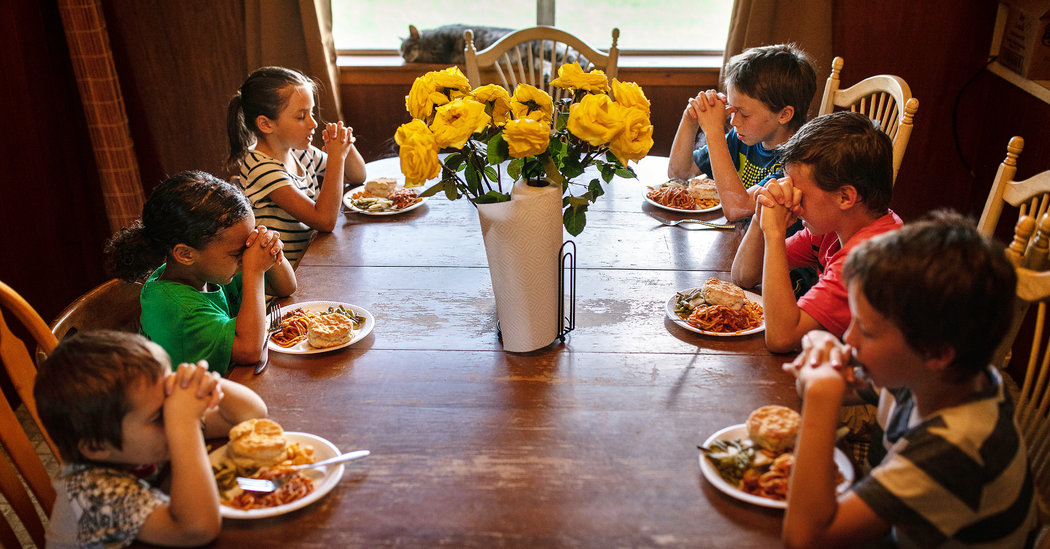
In Brenham, where 60 percent of the 5,000 public-school students qualify for free or low-cost meals, the school district handed out more than 1,000 lunches and more than 800 breakfasts to children over the program’s first three days this week.
Brenham is a working-class town, known in Texas as the home of Blue Bell ice cream. Cattle and horses graze in the pastures that line the roads and highways, and the cowboys don’t bother to take off their hats when they climb into their trucks. The town is the uncredited backdrop of countless postcards, posters and Instagram accounts — the bluebonnets are bright and ubiquitous, and even color the grassy medians. But beneath its rustic beauty and ice-cream-company charm lies financial hardship. Brenham has a median household income of roughly $44,000, and a poverty rate of 18.6 percent.
On Tuesday, the long, tranquil driveway outside Alton Elementary was the coronavirus equivalent of an old-fashioned soup line, roughly 10 cars deep. District employees who volunteered to pass out meals recognized some of the drivers — they worked for the district, too, and had brought their children to get a free lunch.
The nation’s free or reduced-price lunch program has long been used as an indicator of a community’s poverty level, but there was no sign of embarrassment, resentment or shame in the drive-through line. Some drivers hollered a loud thank you to the volunteers as they pulled away, and most didn’t even bother to ask what was inside the lunch containers: mini corn dogs, baked beans, baby carrots, an orange. People seemed more concerned with social distancing than any social stigma. One woman kept her driver-side window rolled up as she interacted with the volunteers, to avoid having them get too close to her.
They pulled up in beat-up cars with rattling engines, newly washed trucks, sleek Cadillacs, old minivans. They were white, black, Hispanic. Mothers were behind the wheel of most of the vehicles, but there were a few fathers, too, and high-school students with their younger siblings inside. The only requirement was that children under 18 had to be inside the vehicle to receive the meal, but no one was asked to prove the children attended a district school.
Related reporting
More World News →
South Sudan’s Oil Looters: How Young Elite Gatekeepers Plunder Nation While Citizens Starve
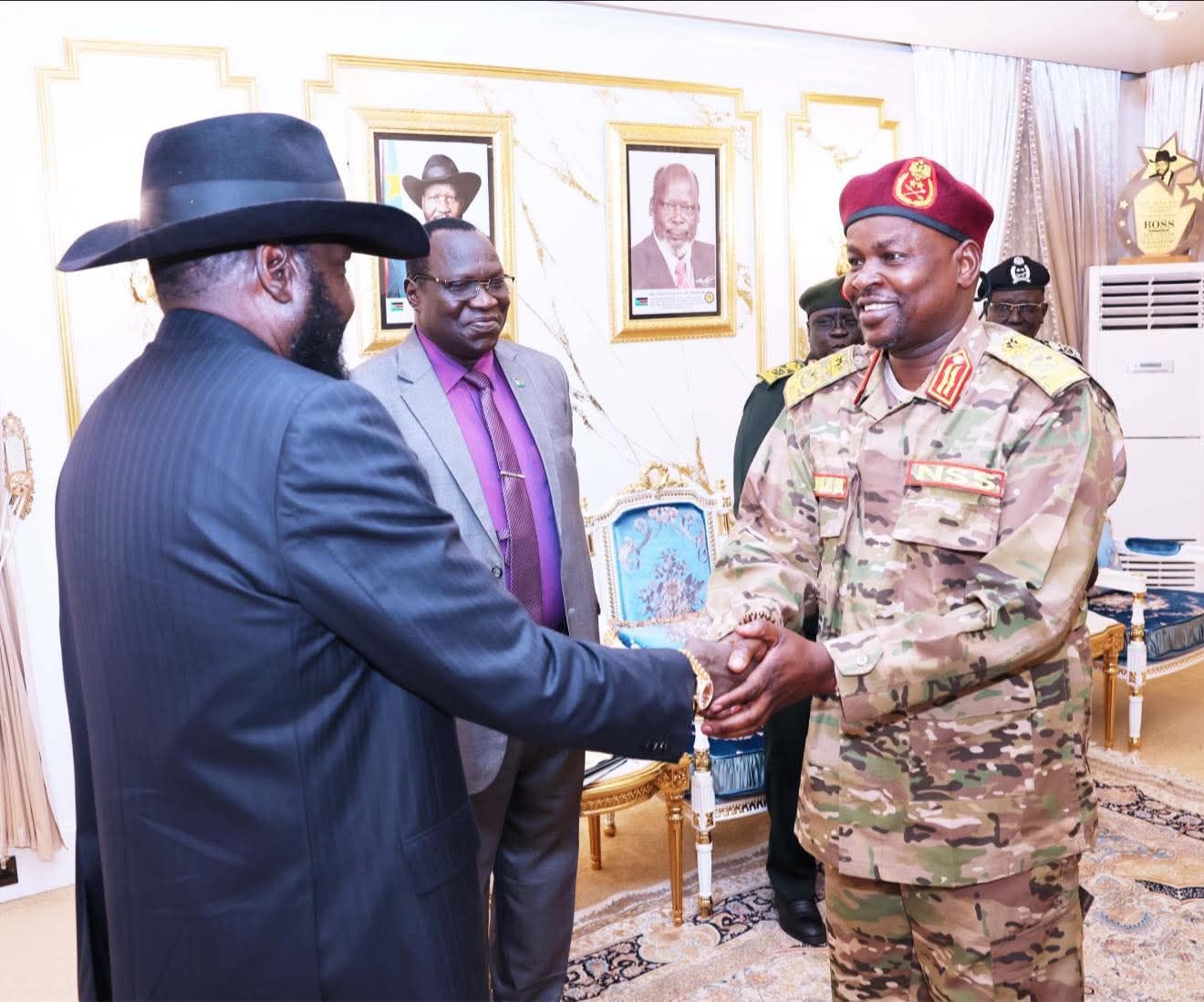
General to Private: Kiir Crushes Economic Vice President in South Sudan's $1.7 Billion Corruption Purge

Paul Biya’s Re-Election: What Cameroon’s Political Longevity Reveals About Leadership and Governance in Africa