
Medical workers exposed to the coronavirus had been self-quarantining, but this week state and city health officials issued new guidance recommending that hospital workers stay on the job until they show symptoms of the virus. People with symptoms of the virus spread it most easily, but research has also indicated that asymptomatic transmission is possible.
“I’m worried because if we get it, everybody is going to get it,” said Aretha Morgan, a pediatric emergency room nurse at Columbia University Medical Center in Manhattan. “I might actually be exposing children in the E.R.”
Dr. Katz, the head of New York City’s public hospitals, said he understood fears about having to keep working after being exposed. He defended the policy by saying the virus was already widespread, so workers exposed in a hospital setting were not any more exposed than anybody on the subway.
He also said that while more supplies were needed, workers at public hospitals had enough protective gear to last through the end of the month.
The city’s other efforts included reserving 1,500 hotel rooms to potentially use for people with mild coronavirus symptoms or other illnesses, said Deanne Criswell, the city’s commissioner of emergency management.
Some medical students have also volunteered to help respond to the crisis. For now, students are working in support roles, such as taking notes and managing materials, said David Muller, dean for medical education at the Icahn School of Medicine at the Mount Sinai Health System.
But if the number of cases continues to rise, it is possible that graduating students could start seeing patients — though not necessarily ones with the virus — even before their residencies are scheduled to begin in July.
“It could be not even a week or two before we have to sweep away some of those restrictions,” Dr. Muller said.
Luis Ferré-Sadurní, Jesse McKinley and Andrea Salcedo contributed reporting.
Related reporting
More World News →
South Sudan’s Oil Looters: How Young Elite Gatekeepers Plunder Nation While Citizens Starve
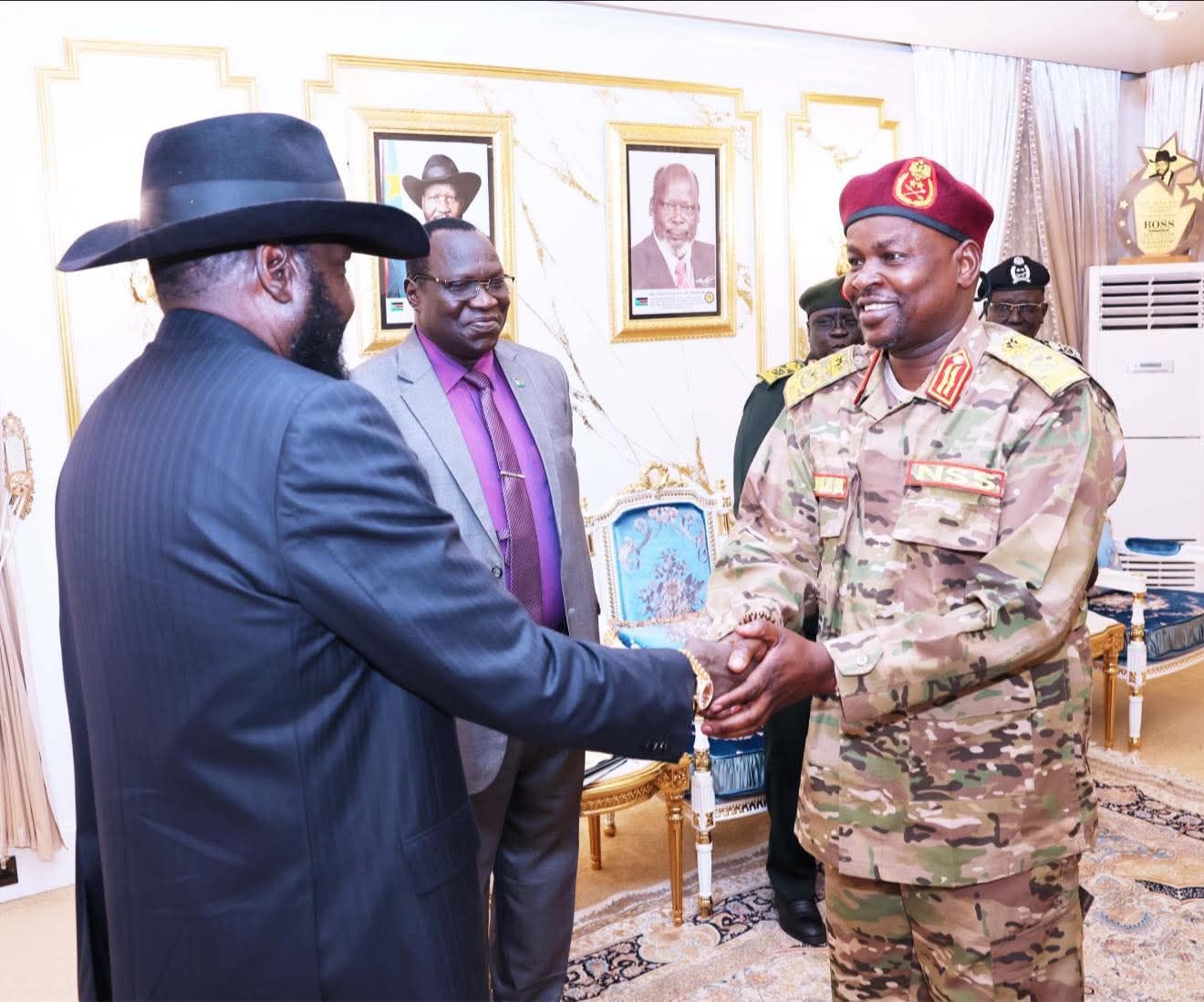
General to Private: Kiir Crushes Economic Vice President in South Sudan's $1.7 Billion Corruption Purge
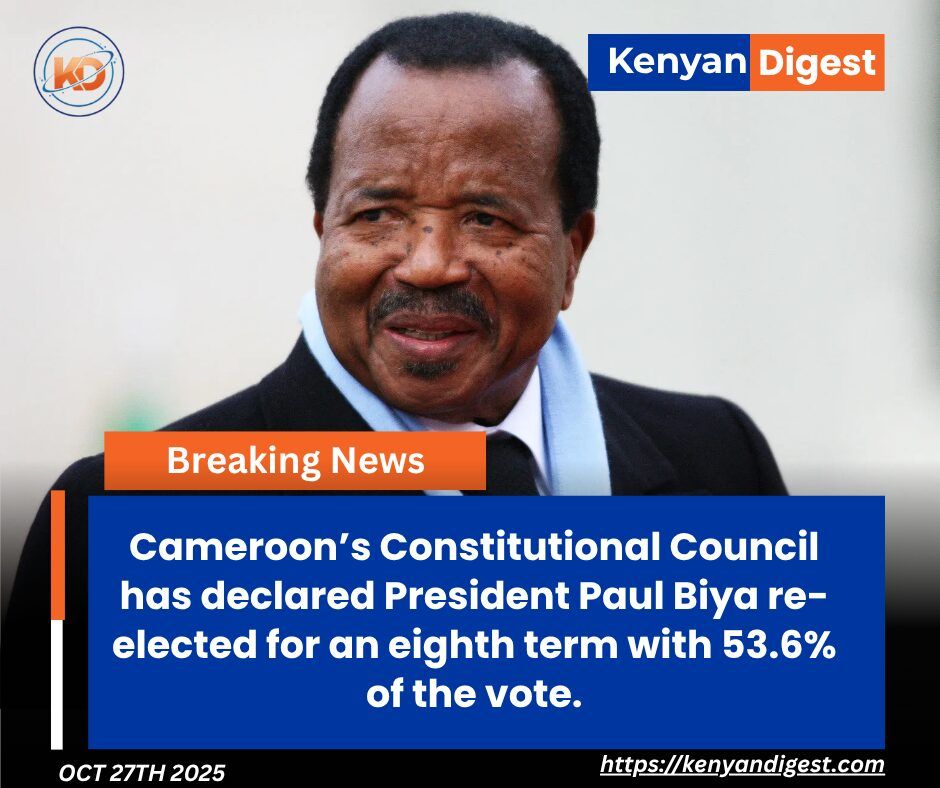
Paul Biya’s Re-Election: What Cameroon’s Political Longevity Reveals About Leadership and Governance in Africa