The spectacle staged by the White House also left military leaders struggling to explain themselves in response to criticism from retired officers that they had allowed themselves to be used as political props. Defense Secretary Mark T. Esper and Gen. Mark A. Milley, the chairman of the Joint Chiefs of Staff, put out word through military officials that they did not know in advance about the dispersal of the protesters or about the president’s planned photo op, insisting that they thought they were accompanying him to review the troops.
The police action cleared the way for the photo op, but it hardly quelled the anger in the streets. By Tuesday afternoon, demonstrators had returned to the edge of Lafayette Square — where new tall fences had been erected overnight — and shouted their discontent at the line of black-clad officers.
“Take off the riot gear, I don’t see no riot here,” they chanted.
Aides on Tuesday defended Mr. Trump’s walk to the church, given that a small fire had been set in its basement during demonstrations over the weekend. “The president very much felt when he saw those images on Sunday night — that crossed a terrible line, that goes way beyond peaceful protesting,” Kellyanne Conway, his counselor, told reporters.
But she distanced him from the decisions on how to disperse the crowd. “Clearly, the president doesn’t know how law enforcement is handling his movement,” she said.
This account of the clash is based on descriptions by reporters at the scene, interviews with dozens of protesters, White House aides, law enforcement officials, city leaders and others involved in the tense day as well as an analysis of video footage from The New York Times’s visual investigations team.
Morning at the White House
Mr. Trump was stirred up on Monday morning as he met with national security and law enforcement advisers to discuss what could be done about the street unrest. The advisers told him that he could not let the nation’s capital be overrun, that the symbolism was too important and that he had to get it under control that night.
Among the ideas put on the table was invoking the Insurrection Act, a two-century-old law that would enable the president to send in active-duty military to quell disturbances over the objections of governors. The act has long been controversial. President George Bush invoked it in 1992 to respond to the Rodney King riots only at the request of California. But in the civil rights era, presidents sent in troops to enforce desegregation over the resistance of racist governors.
Related reporting
More World News →
Saudi Prince Found Dead in Hotel Bathroom as Inquest Rules Death Was Misadventure
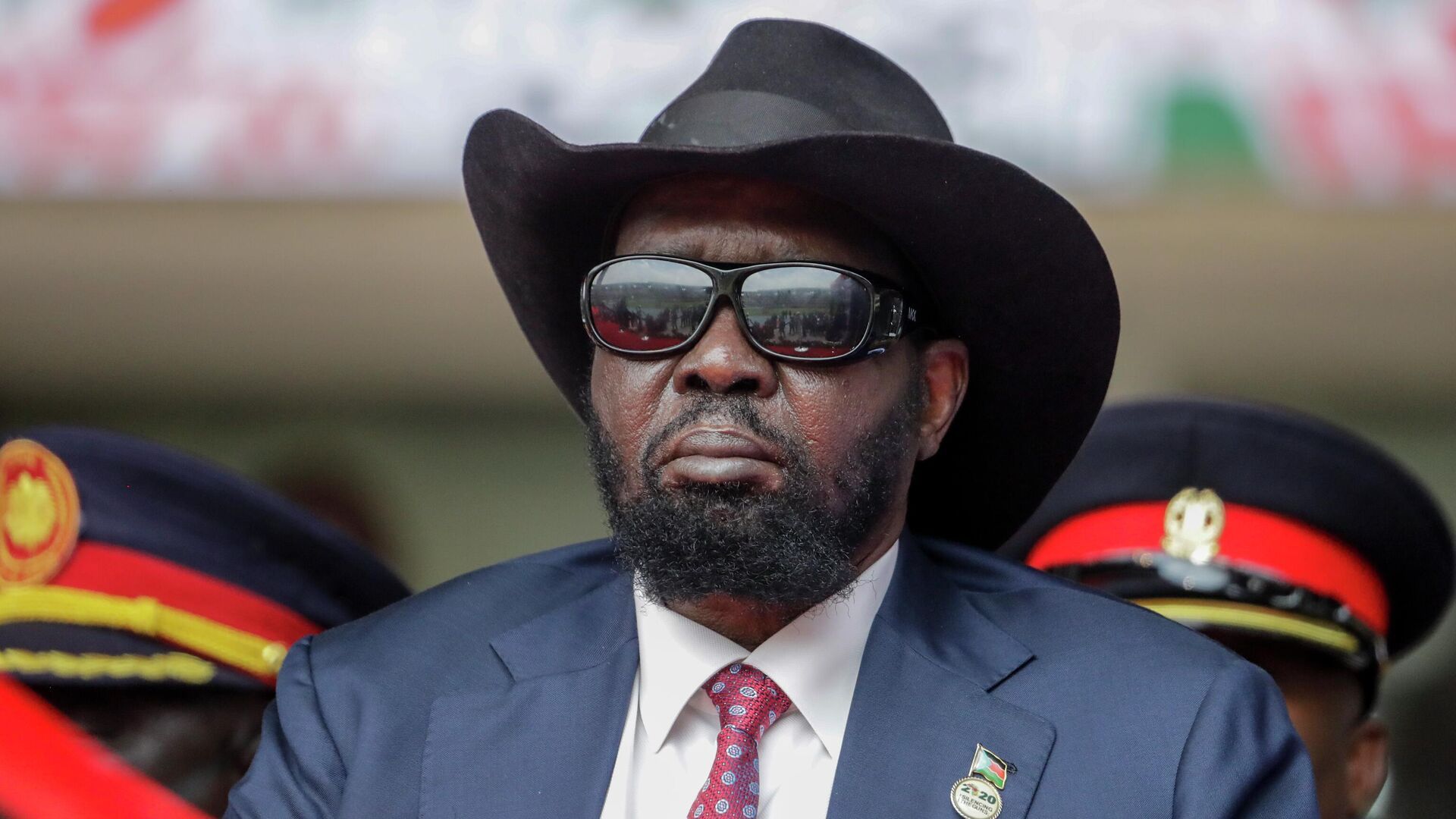
South Sudan at the Brink: How Corruption Tightens Its Grip on a Rare Working Institution
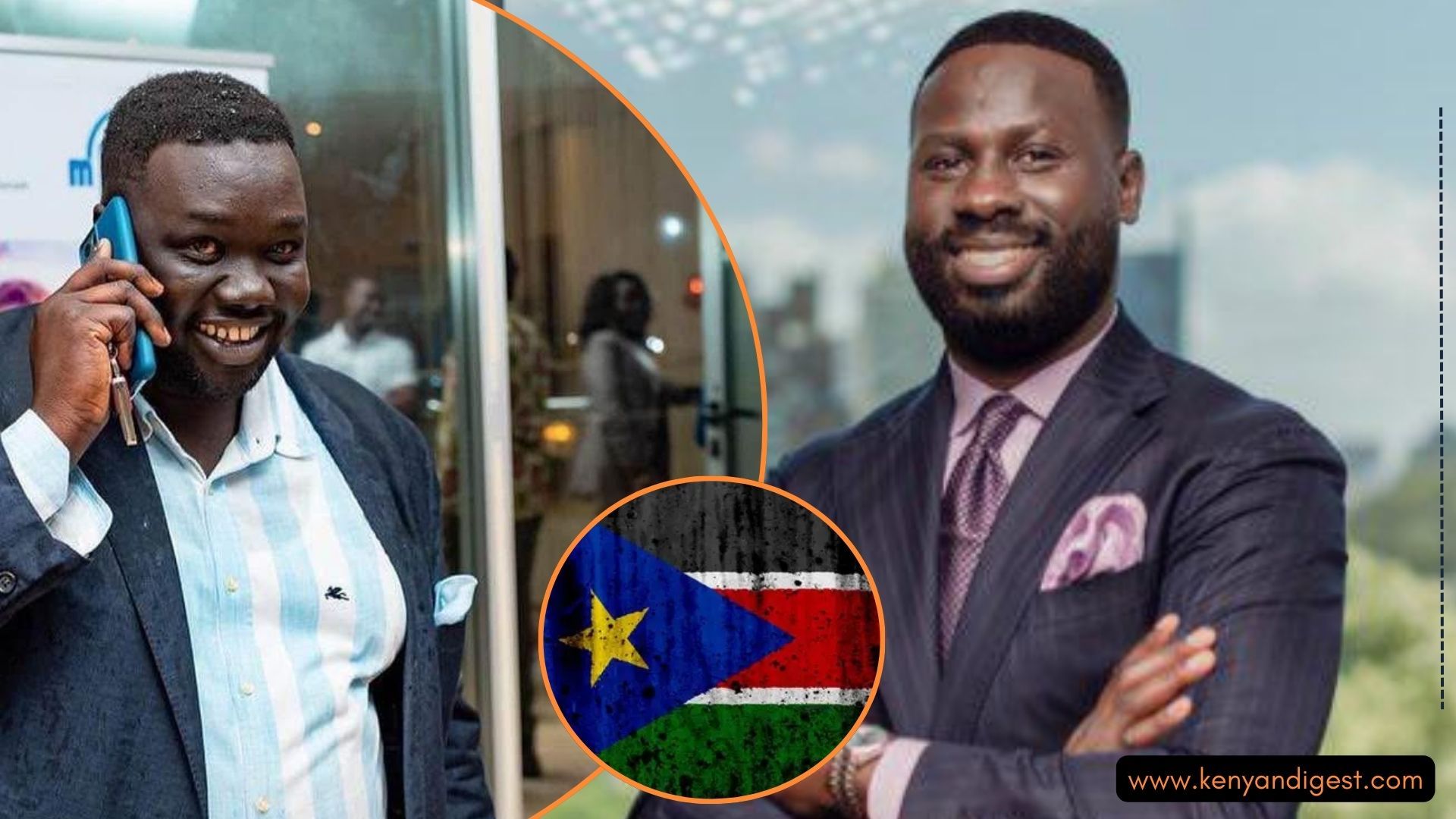
South Sudan’s Oil Looters: How Young Elite Gatekeepers Plunder Nation While Citizens Starve