(Want to get this briefing by email? Here’s the sign-up.)
Good morning.
We’re covering Iran’s retaliatory strikes against the U.S. and a deadly plane crash outside Tehran, and looking forward to a news conference by Carlos Ghosn, the fugitive former Nissan chairman.
Developing
Iran’s supreme leader, Ayatollah Ali Khamenei, said his country’s attack on American troops in Iraq was a “slap in the face” to the U.S. Here are the latest updates.
No U.S. casualties are reported in strike
American officials said today that there were no immediate indications of deaths or injuries to U.S. personnel after Iran hit two military bases in Iraq. Senior Iraqi officials later said that there were also no Iraqi casualties. The attacks involved more than 20 ballistic missiles.
Tehran called the strikes “fierce revenge” for last week’s killing of Maj. Gen. Qassim Suleimani, a top commander. The Iranian foreign minister later said the attacks were “concluded” and that his country didn’t seek “escalation or war.”
President Trump struck an upbeat tone, writing on Twitter, “All is well!” He said he would make a statement this morning.
The details: Iran attacked an air base in western Iraq that Mr. Trump visited in 2018 and another base near Erbil, in the north. Here’s what we know about them.
Related: Mr. Trump conceded on Tuesday that his threat to target Iranian cultural sites would amount to a war crime, saying, “If that’s what the law is, I like to obey the law.”
Details are sought on attack against general
The Trump administration offered new justifications but few details on Tuesday for the killing of Maj. Gen. Qassim Suleimani, citing threats to the American Embassy in Baghdad and intelligence suggesting imminent attacks against U.S. personnel.
President Trump said General Suleimani had been “planning a very big attack,” but the administration’s formal notification to Congress, which remains classified, cited only past attacks, officials who have read it told The Times.
Go deeper: Secretary of State Mike Pompeo argued forcefully for the killing, though its aftermath has made his diplomatic work more difficult.
News analysis: “Mr. Trump has long said that he likes to be unpredictable and sees that as a strength, meaning he can take enemies by surprise,” our chief White House correspondent writes. “But it leaves allies guessing just as much as adversaries, making it a challenge to build support for Mr. Trump’s decisions.”
Another angle: One word has become a focal point of concerns about the decision to kill General Suleimani: assassination. Our Interpreter columnists explored the term.
No survivors after Boeing crash in Iran
A Ukraine International Airlines flight carrying 176 people went down shortly after takeoff from Tehran today, killing everyone on board, according to Iranian news media.
The circumstances of the crash were unclear, but news outlets cited technical problems on the Boeing 737-800, which was bound for Kyiv, Ukraine’s capital. Airline executives said later that the plane had been in good working order.
The 737-800 is a different model from the 737 Max, which has been under intense scrutiny after two deadly crashes.
Another angle: On Tuesday, the Federal Aviation Administration told American airlines not to fly over Iran, in case their jets were mistaken for military aircraft.
A trial on Mitch McConnell’s terms
Saying he had the votes to overcome any Democratic objections, the Senate’s Republican majority leader plans to proceed with President Trump’s impeachment trial without committing to calling witnesses or hearing new evidence.
Later on Tuesday, Speaker Nancy Pelosi said she would send the two articles of impeachment to the Senate “soon,” though not before Mr. McConnell set out his rules.
Mr. McConnell, who has promised a speedy acquittal, said he would echo the procedures used during the impeachment trial of President Bill Clinton in 1999, although the circumstances of the two cases are far different.
The Daily: Today’s episode is about the offer by John Bolton, the former national security adviser, to testify.
Another angle: Federal prosecutors recommended that the former national security adviser Michael Flynn be sentenced to up to six months in prison for lying to investigators in the Russia inquiry. He had “chosen to reverse course” on cooperating, they said.
If you have 15 minutes, this is worth it
Departed idols on tour
A new category of entertainment — part concert, part technological spectacle — involves holograms of dead performers. (A 58-date tour with Buddy Holly, above, and Roy Orbison began in September.)
The Times Magazine explored the effort, which aims to reanimate a live-music industry whose biggest earners are past retirement age.
Here’s what else is happening
Carlos Ghosn news conference: The former Nissan executive plans to speak publicly today for the first time since his escape last week from Japan, where he faced charges of financial wrongdoing. The news conference in Beirut, Lebanon, is expected to start at 8 a.m. Eastern.
Declining cancer death rate: The rate of fatalities from the disease in the U.S. has dropped 29 percent since 1991, the American Cancer Society reported today. Experts attributed the decline to reduced smoking rates and to advances in lung cancer treatment.
Alarm in Puerto Rico: Deadly government failures after Hurricane Maria in 2017 left islanders skeptical that their leaders could manage the aftermath of this week’s earthquakes.
Chaos in Venezuela: Opposition lawmakers had to push past soldiers to start a session of the National Assembly.
Billion-dollar battle for .org: A private equity firm wants to buy the internet domain for nonprofits. A group of internet pioneers is trying to stop the sale.
TikTok vulnerabilities: The popular video app had flaws that would let hackers manipulate user data and reveal personal information, researchers said today. TikTok said it fixed the problems last month.
Snapshot: Above, caring for kangaroos at a temporary shelter in Australia this week. Fires have inflicted a heavy toll on the country’s wildlife, including many animals found nowhere else. (Here’s how to help.)
Who’s the greatest “Jeopardy!” champ?: Three of the game show’s biggest stars — James Holzhauer, Ken Jennings and Brad Rutter — are competing. Read what happened in their first match.
Late-night comedy: After the Defense Department accidentally released a letter indicating that the U.S. was withdrawing from Iraq, Trevor Noah said: “These people control nuclear weapons and they can’t even handle Microsoft Outlook.”
What we’re reading: This 2018 essay by Elizabeth Wurtzel, who changed the way mental illness was viewed with her 1994 memoir, “Prozac Nation.” After she died on Tuesday of breast cancer at age 52, admirers shared the essay on Twitter as representative of her unsparing style.
Now, a break from the news
Eat: Our restaurant critic, Pete Wells, visited Thai Cook, which is hidden inside a Chinese restaurant in Queens. Read his review.
Smarter Living: The case for complaining: It helps process emotions.
And now for the Back Story on …
Fort Bragg
About 3,500 soldiers in the U.S. Army’s 82nd Airborne Division were ordered onto planes at Fort Bragg a few days ago for a rapid deployment to the Middle East. Dave Philipps, who covers veterans and the military for The Times, told us about the history of the base.
Fort Bragg is one of the largest U.S. bases. It covers parts of four North Carolina counties and is home to about 50,000 active-duty soldiers — one-tenth of the force. Some call it “the nation’s 911” because some of its troops can deploy in as little as 18 hours.
It has another distinction. Along with nine other installations in the Southeast, Fort Bragg is named for a Confederate Civil War commander. Maj. Gen. Braxton Bragg led the Army of Mississippi; he was routed by Maj. Gen. Ulysses Grant.
Related reporting
More World News →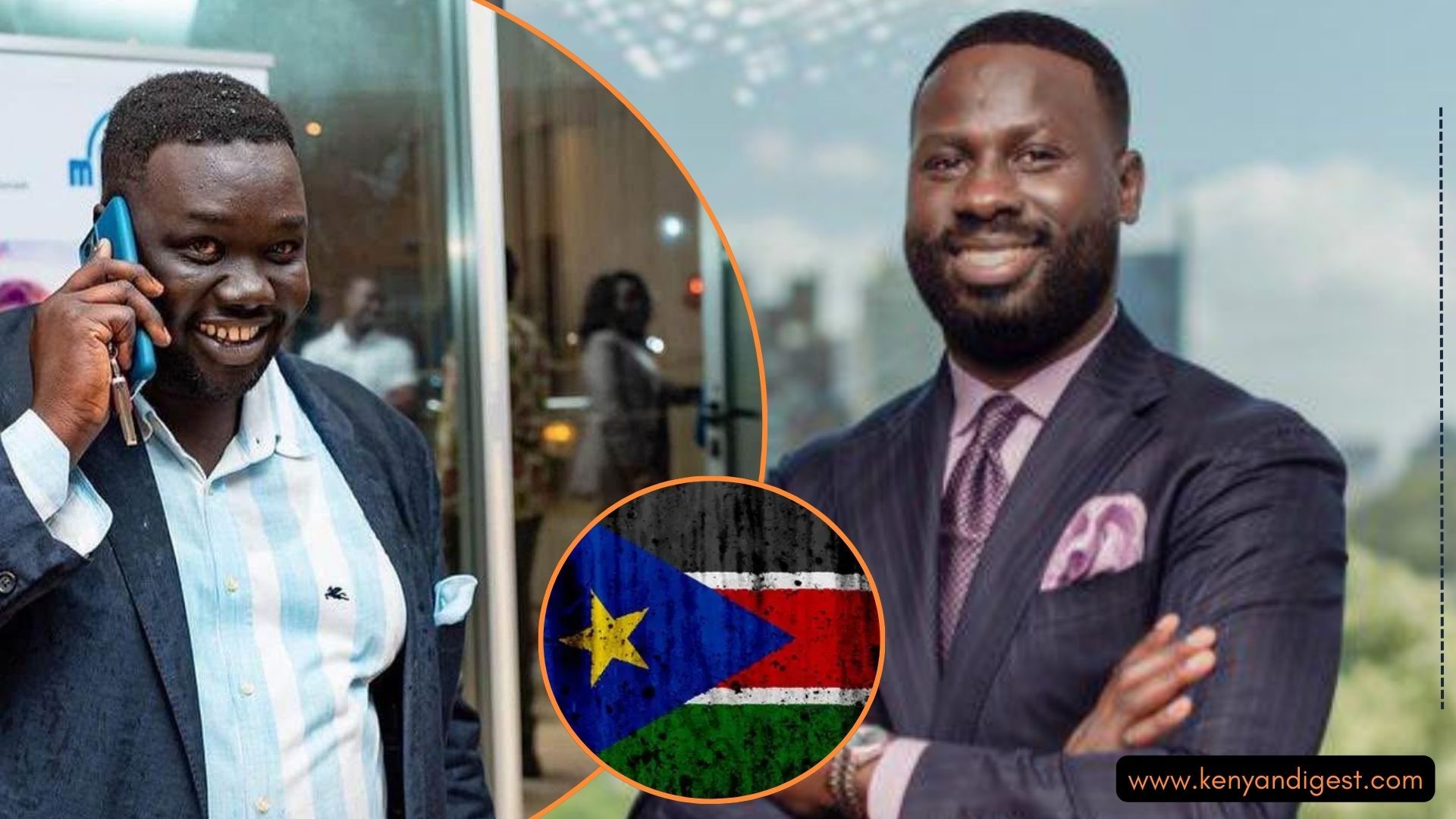
South Sudan’s Oil Looters: How Young Elite Gatekeepers Plunder Nation While Citizens Starve
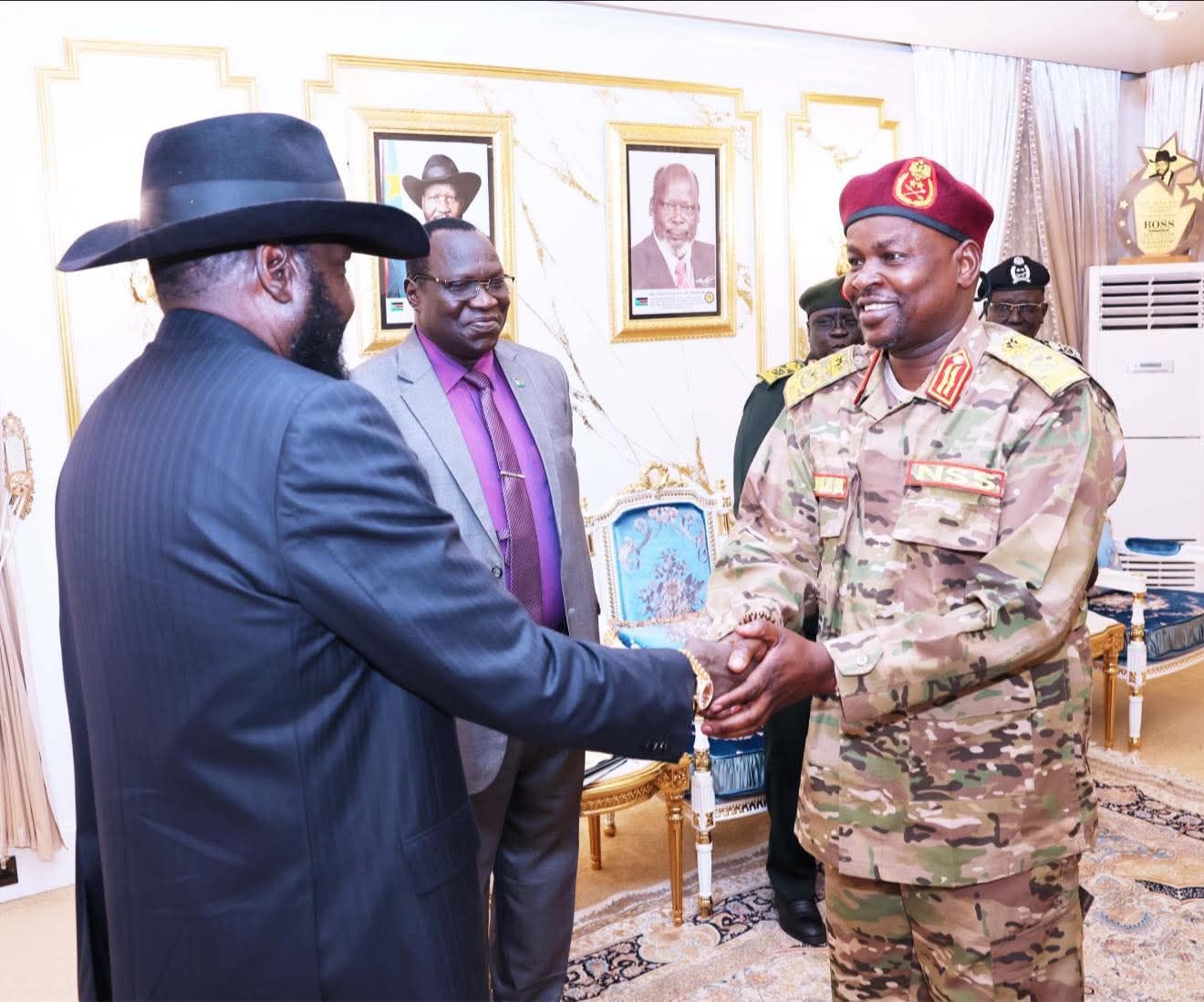
General to Private: Kiir Crushes Economic Vice President in South Sudan's $1.7 Billion Corruption Purge
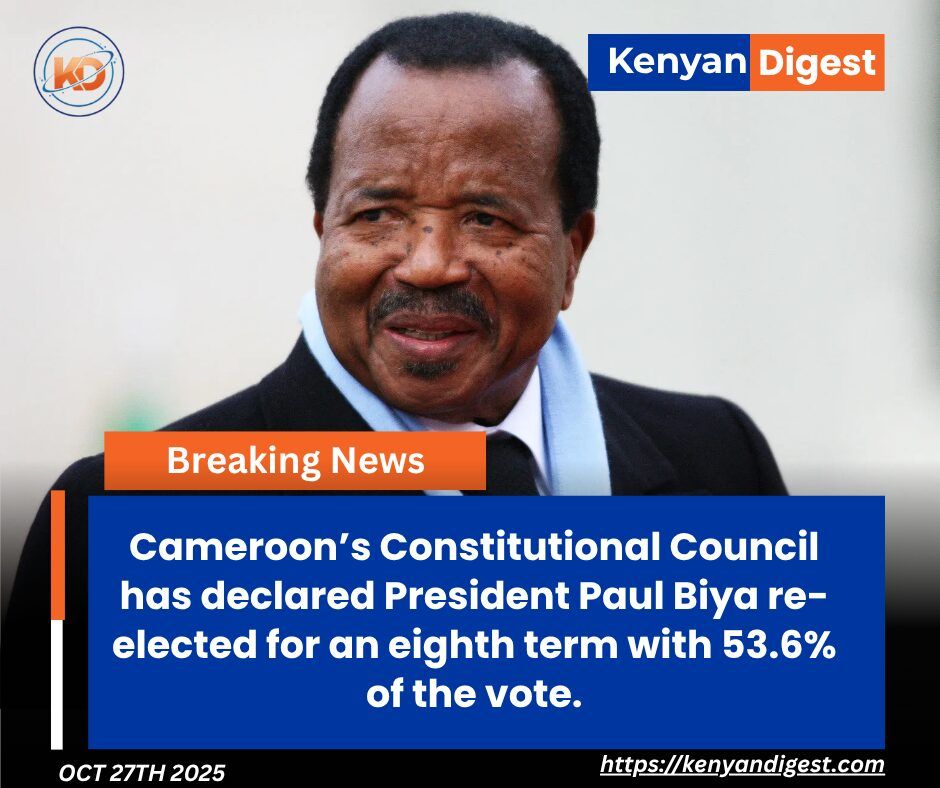
Paul Biya’s Re-Election: What Cameroon’s Political Longevity Reveals About Leadership and Governance in Africa