Prime Minister Boris Johnson of Britain was reported to be angry with Mr. Trump for not informing him or other allies with troops in Iraq about the decision to kill General Suleimani. While carried out by the Americans, the killing is thought to have put all European citizens and troops in Iraq and the wider region at heightened risk.
Mr. Johnson, who was said to be returning early from a vacation in the Caribbean, is expected to discuss the issues with Chancellor Angela Merkel of Germany, President Emmanuel Macron of France and Mr. Trump in the next few days, a Downing Street spokeswoman said.
Secretary of State Mike Pompeo complained that the response by European allies had not been “helpful.” He told Fox News in an interview: “Frankly, the Europeans haven’t been as helpful as I wish that they could be. The Brits, the French, the Germans all need to understand that what we did, what the Americans did, saved lives in Europe as well.”
Dominic Raab, Britain’s foreign minister, who is scheduled to travel to Washington this week to meet Mr. Pompeo, said any country had a right to defend itself.
Asked in an interview with the BBC whether the killing was legal, Mr. Raab said, “There is a right of self-defense.” He said he did not agree that the killing was an act of war, and described General Suleimani to Sky News, another British broadcaster, as a “regional menace.”
But Mr. Raab also said that he had spoken to Iraq’s prime minister and president to urge a de-escalation of tensions in the region, and that he planned to speak to Iran’s foreign minister.
In particular, the Europeans are trying to persuade Iran to keep to the 2015 nuclear deal, known as the Joint Comprehensive Plan of Action, which Mr. Trump pulled the United States out of in May 2018, reimposing harsh economic sanctions on Tehran. Since then, Iran has slowly abandoned its adherence to parts of the deal.
Related reporting
More World News →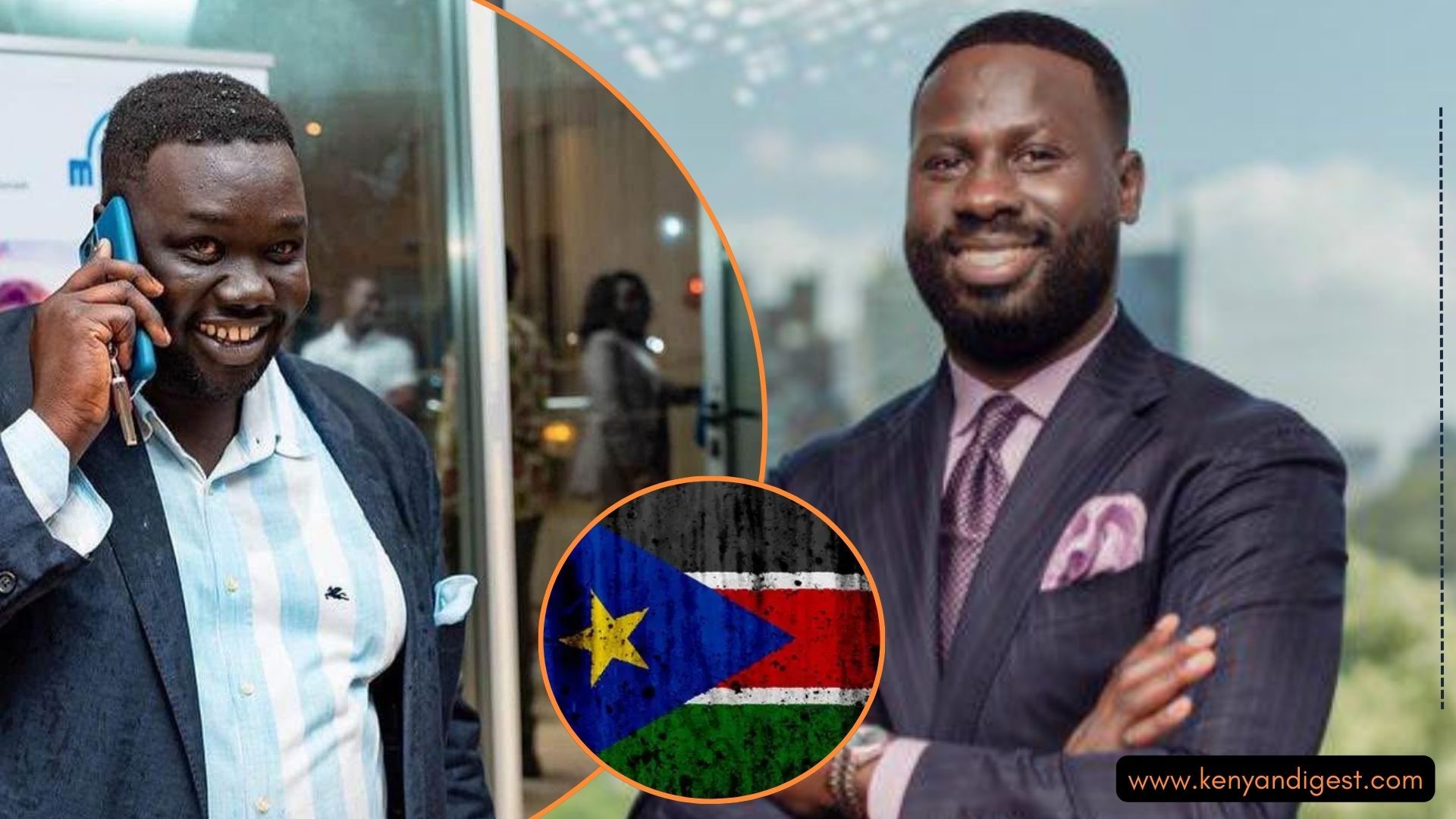
South Sudan’s Oil Looters: How Young Elite Gatekeepers Plunder Nation While Citizens Starve
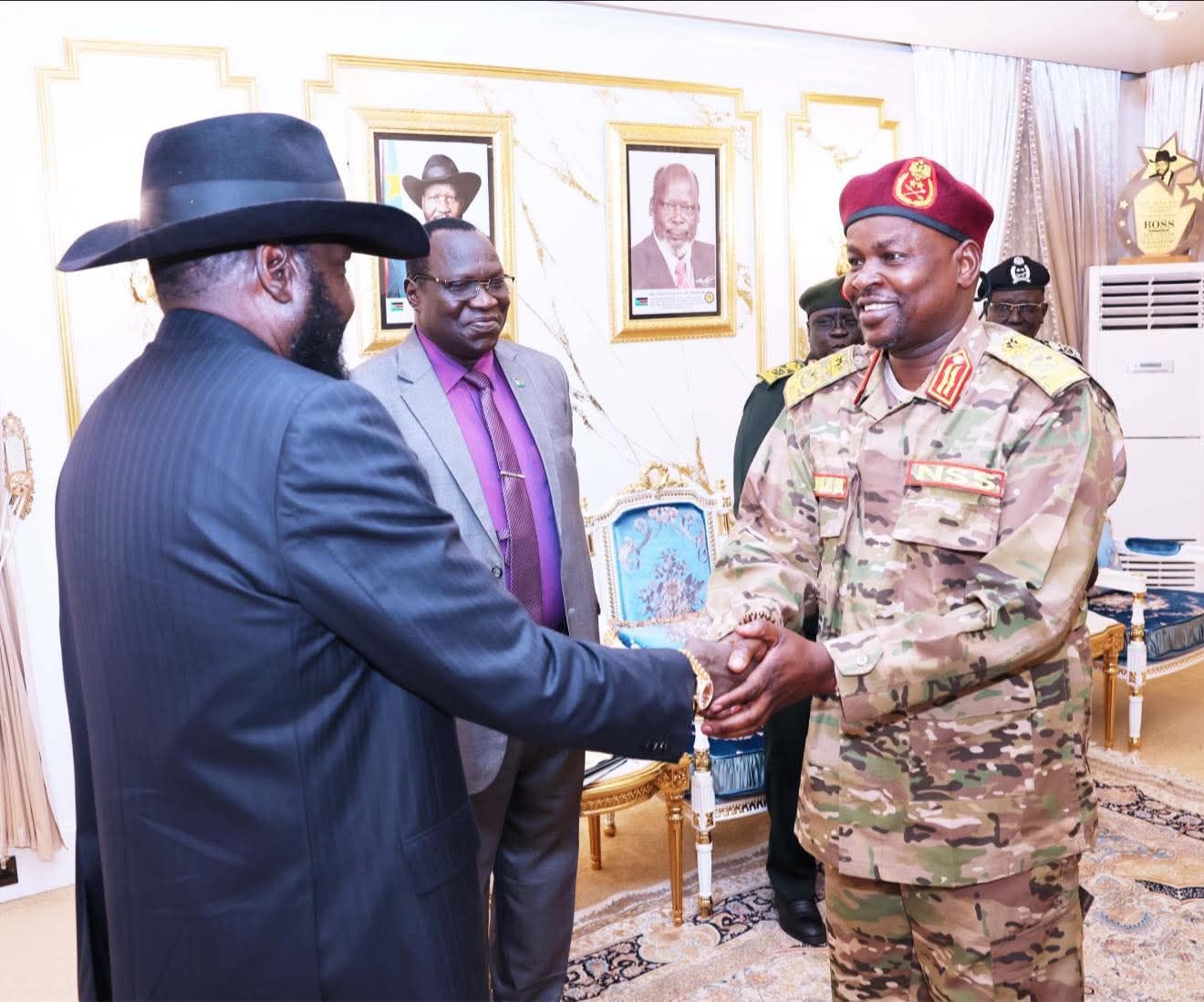
General to Private: Kiir Crushes Economic Vice President in South Sudan's $1.7 Billion Corruption Purge
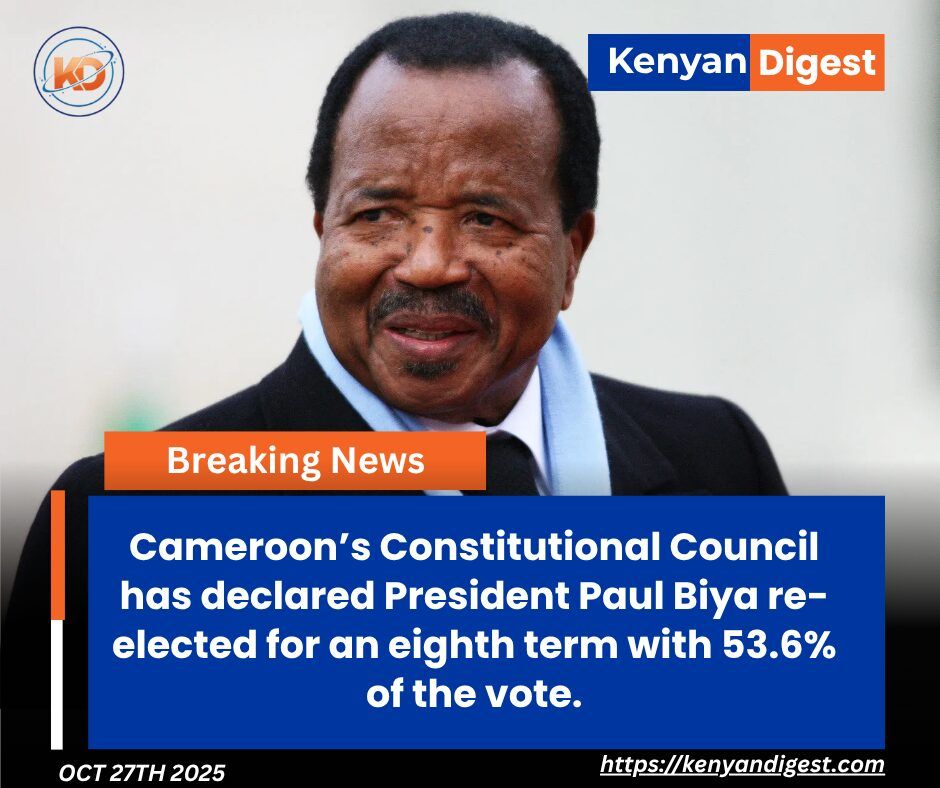
Paul Biya’s Re-Election: What Cameroon’s Political Longevity Reveals About Leadership and Governance in Africa