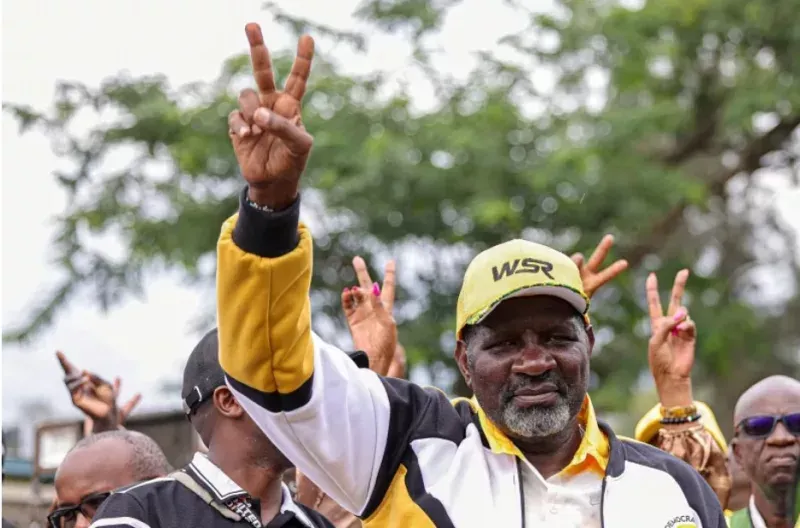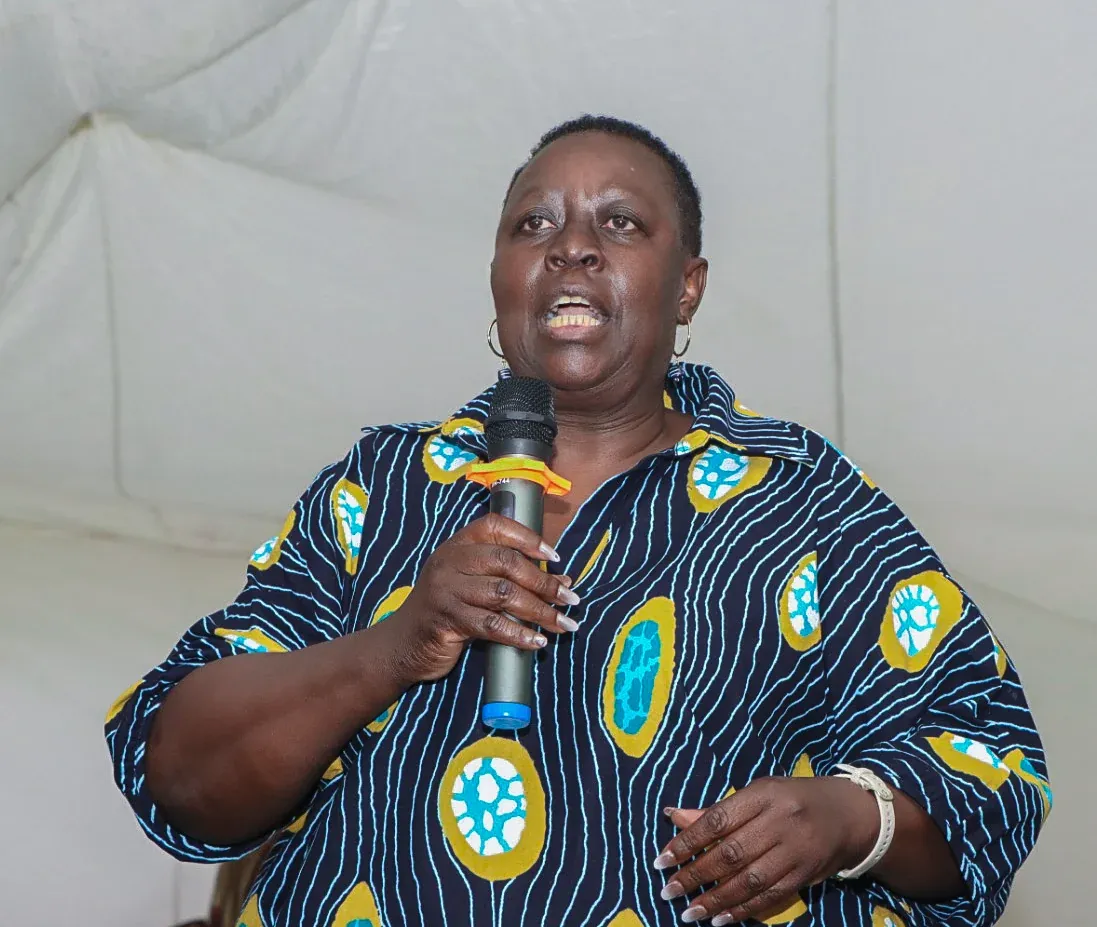
On Saturday November 21, 2026 in Kisumu, Kisumu County Woman Representative Ruth Odinga warned that fear, intimidation and gender discrimination are deterring women from contesting mainstream elective positions, a trend she said could undermine gender equality in Kenya’s political leadership.
Odinga said an increasing number of women are choosing the reserved Woman Representative seats instead of challenging men for constituency parliamentary seats, governorships and senatorial posts, risking that affirmative action becomes a ceiling rather than a stepping stone.
She quoted, “When women retreat out of fear of violence and intimidation, we hand over the main decision-making tables to men and entrench the very chauvinism we sought to dismantle.”
Odinga urged female aspirants to remain firm and pursue leadership roles at all levels of government, arguing that affirmative action remains essential to address structural barriers.
Her comments come as parties and candidates position themselves ahead of the 2027 General Election, with women’s representation a major constitutional and political issue.
Two nominated members of the Kisumu County Assembly, Regina Kizito and Mickey Ochieng, have announced interest in succeeding Odinga as Kisumu Woman Representative after she indicated she will run for the Kisumu gubernatorial seat on an ODM Party ticket in the 2027 election.
Kizito has begun community outreach, distributing food to flood-affected families in informal settlements to build her profile as an advocate for women’s leadership and welfare.
The debate over women’s political participation is rooted in the Constitution, which under Article 27(8) obliges the State to ensure no more than two-thirds of members of elective or appointive bodies are of the same gender, with Article 81(b) embedding the principle in the electoral framework and Article 97(1)(b) creating 47 elected county Woman Representatives.
More than 16 years after the 2010 Constitution, Parliament has not established a comprehensive mechanism to achieve the two-thirds gender principle, and women remain underrepresented in constituency seats and other competitive positions despite the 47 Woman Representative seats.
Unsuccessful attempts to pass gender-balance legislation include a November 2016 amendment proposal by former Justice and Legal Affairs Committee chair Samuel Chepkonga that failed after a walk-out denied quorum, and a February 2019 proposal led by then-Majority Leader Aden Duale that collapsed without the required 233 votes.
In a separate meeting with women from various parties, Odinga described a culture of political intimidation that is discouraging women from contesting major elective races, saying “The violence that women have been experiencing has made sure that less and less woman are in leadership, or are coming out to vie for meaningful positions.”
She condemned the harassment and intimidation, stating the trend undermines democracy and limits women’s participation, and called for a safer, more inclusive political environment that empowers women and young people to seek leadership without fear.
Related reporting
More Politics →
Narok Senator Ledama OleKina Threatens Auctioneer in Video
German President Steinmeier to Visit Kenya for Bilateral Talks With Ruto
Pastor Victor Kanyari Joins Rigathi Gachagua's DCP Ahead of Kasarani MP Bid