WELLINGTON, New Zealand — The Australian man accused of fatally shooting dozens of Muslim worshipers at two mosques in Christchurch, New Zealand, has been charged with carrying out a terrorist act, the police said Tuesday.
Brenton H. Tarrant, 28, already faced 50 counts of murder after the massacre on March 15. An additional murder charge was lodged against him Tuesday, in relation to the death in Christchurch Hospital earlier this month of another man who was shot in the attack.
Mr. Tarrant also faces 40 attempted murder charges.
It is rare for the authorities to invoke New Zealand’s Terrorism Suppression Act to charge a suspect, and a police spokesman said in a statement that the decision to bring forth a charge of engaging in a terrorist act was made after police officials consulted government lawyers.
Officers would not say why they pursed a terrorism charge against Mr. Tarrant when he already faces so many counts of murder. If he is found guilty, both the murder and terrorism charges are punishable by life in prison.
Some legal experts questioned the addition of the terrorism charge, saying it increased the chance that the gunman — a self-proclaimed white supremacist who posted a rambling manifesto online and streamed part of the massacre live on Facebook — would be able to use the trial as a platform for his ideology.
“He will say ‘I’m not a terrorist, I’m a patriot,’” Bill Hodge, a University of Auckland law professor, told Newstalk ZB, adding that the suspect could invoke his views in explaining why he had not committed terrorism.
Local news outlets in New Zealand have agreed on a set of guidelines for reporting on the case if it goes to a trial; they include not reporting on white supremacist views. Mr. Tarrant, who had earlier said he would represent himself in court, now has lawyers acting on his behalf.
Mr. Tarrant has yet to enter a plea on the charges; at his last court appearance, in April, a judge ordered psychiatric reports to ensure his fitness to stand trial, a normal procedure in New Zealand murder cases. He will next appear in court in June.
No one has ever been sentenced to life without the possibility of parole in New Zealand; the longest previous sentence for murder was 30 years without chance of release for a man convicted of a triple murder. A judge has the discretion to remove the possibility of parole if Mr. Tarrant is found guilty.
Related reporting
More World News →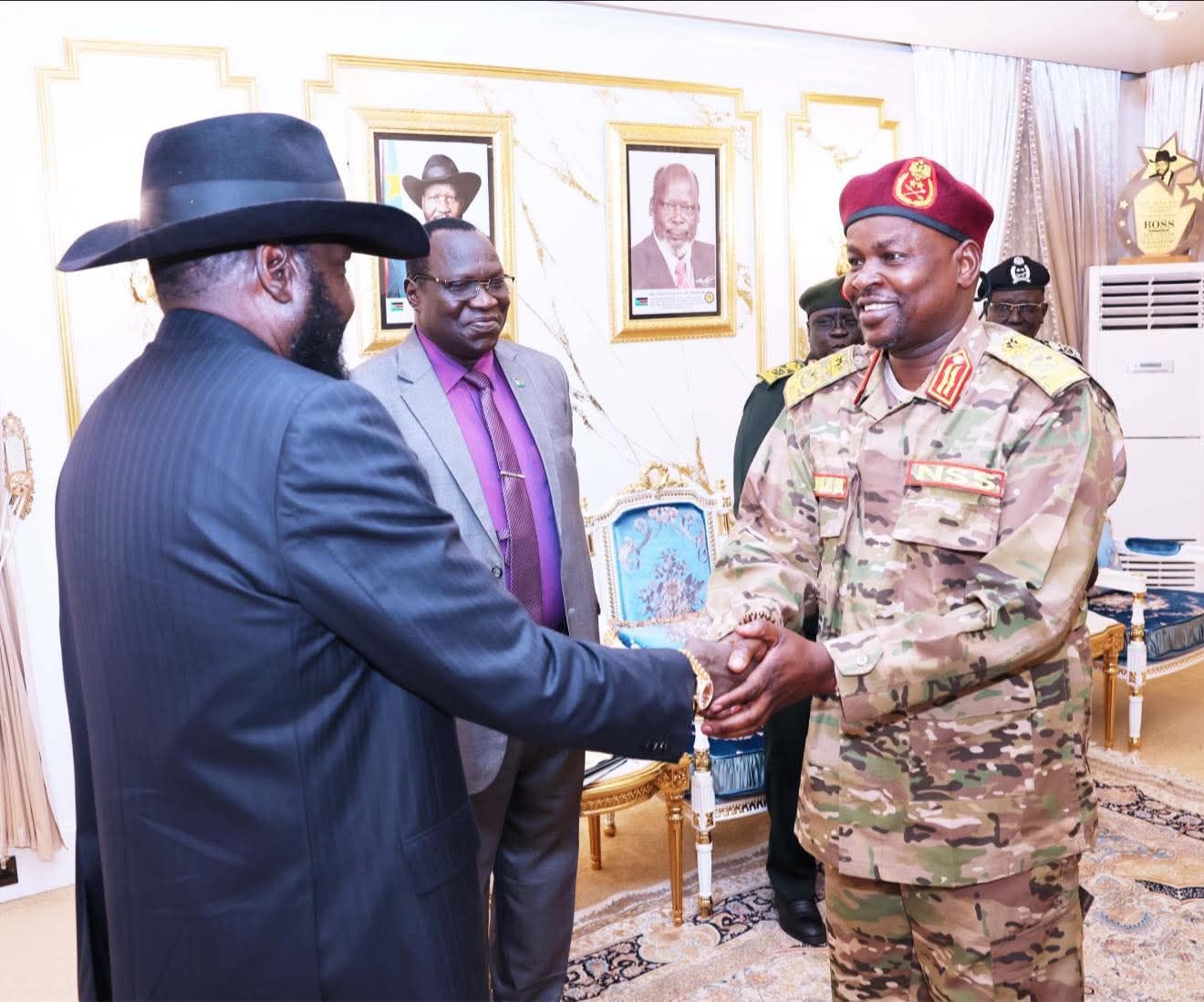
General to Private: Kiir Crushes Economic Vice President in South Sudan's $1.7 Billion Corruption Purge
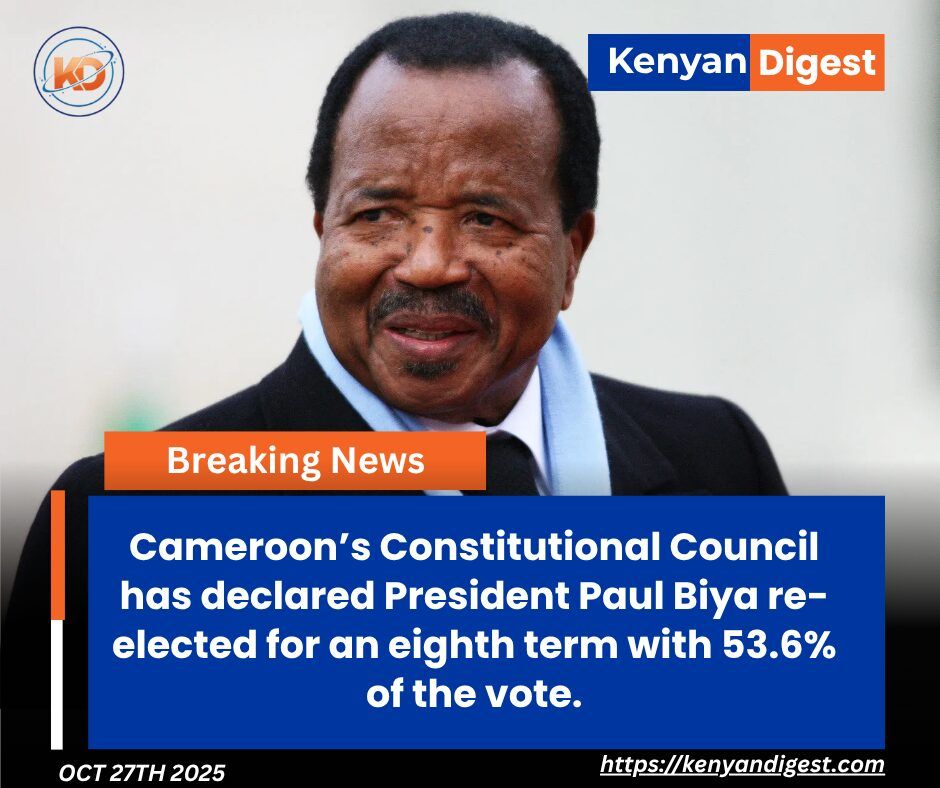
Paul Biya’s Re-Election: What Cameroon’s Political Longevity Reveals About Leadership and Governance in Africa

From Power to Prison: The Fall of France’s Former President Nicolas Sarkozy