The Coltrane quartet worked constantly through 1965, reaching one high-water mark for jazz after another on albums like “A Love Supreme,” “Crescent,” “Coltrane Live at Birdland,” “Ballads” and “Impressions,” all recorded for the Impulse label.
Between tours, Mr. Tyner stayed busy in the recording studios. He made his own records, for Impulse, including the acclaimed “Reaching Fourth.” He also recorded as a sideman, particularly after 1963; among the albums he recorded with other leaders’ bands were minor classics of the era like Joe Henderson’s “Page One,” Wayne Shorter’s “Juju,” Grant Green’s “Matador” and Bobby Hutcherson’s “Stick-Up!,” all for Blue Note.
When Coltrane began to expand his musical vision to include extra horns and percussionists, Mr. Tyner quit the group, at the end of 1965, complaining that the music had grown so loud and unwieldy that he could not hear the piano anymore. He was a member of the drummer Art Blakey’s touring band in 1966 and 1967; otherwise he was a freelancer, living with his wife and three children in Queens.
Mr. Tyner’s survivors include his wife, Aisha; his son, Nurudeen, who is known as Deen; and his brother, Jarvis.
Just before Coltrane’s death in 1967, Mr. Tyner signed to Blue Note. He quickly delivered “The Real McCoy,” one of his strongest albums, which included his compositions “Passion Dance,” “Search for Peace” and “Blues on the Corner,” all of which he later revisited on record and kept in his live repertoire.
He stayed with Blue Note for five years, starting with a fairly familiar quartet sound and progressing to larger ensembles, but these were temporary bands assembled for recording sessions, not working groups. It was a lean time for jazz, and for Mr. Tyner. He was not performing much and, he later said, had considered applying for a license to drive a cab.
Related reporting
More World News →
South Sudan’s Oil Looters: How Young Elite Gatekeepers Plunder Nation While Citizens Starve

General to Private: Kiir Crushes Economic Vice President in South Sudan's $1.7 Billion Corruption Purge
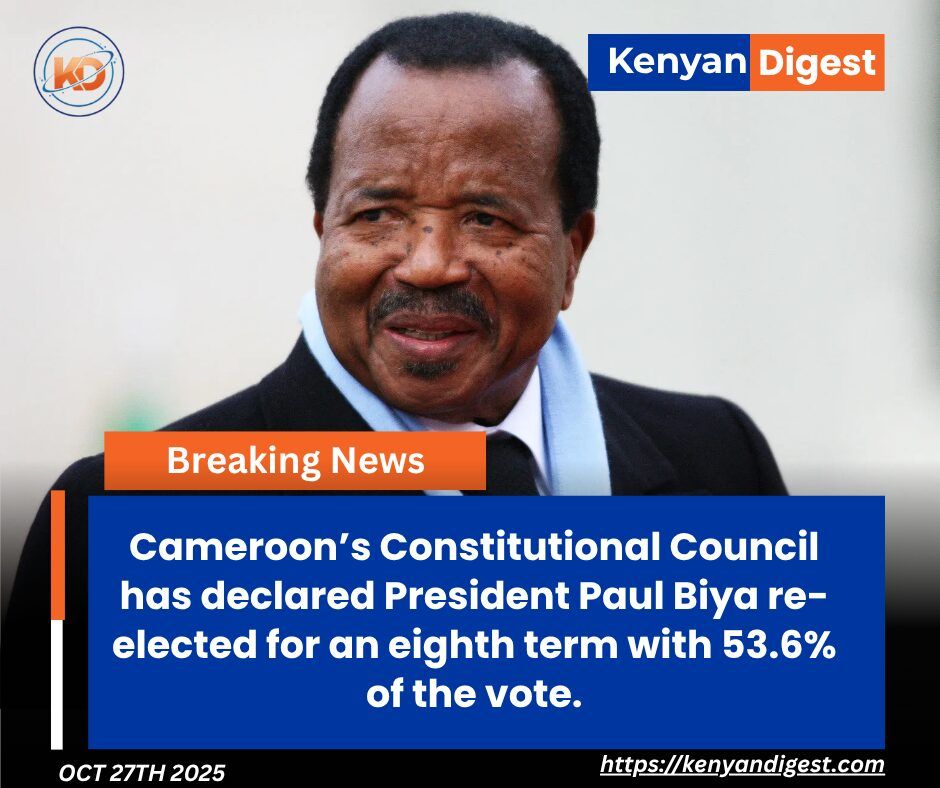
Paul Biya’s Re-Election: What Cameroon’s Political Longevity Reveals About Leadership and Governance in Africa