And others take aim at his unusual quirks — ice baths, silent meditation retreats to places like Myanmar, fasting, to name a few — even though zeroing in on personal habits is exactly no one’s business.
But very little of this would matter if Twitter’s shares and results had not remained so anemic, especially compared to its ever-growing profile and importance in the global conversation. Facebook’s valuation has doubled, for example, while Twitter’s has only grown 10 percent, since 2015, when Mr. Dorsey took over.
The lack of explosive growth at Twitter is due to many factors, all within Mr. Dorsey’s control, including a profound slowness on product innovation and a weak effort in advertising. If you compare innovation there to the creative efforts at places like Instagram and Snapchat, it’s clear that Twitter has lagged.
That is where the digital rubber meets the internet road — because the meh showing has allowed Mr. Singer in the door. And even though it is likely that Mr. Singer’s deep support for Mr. Trump will be used to call Elliott’s move as a conservative takeover of a social media giant with a huge role to play in the upcoming election, the fact is that this is all about money, in the form of Twitter’s unimpressive stock performance.
This gives Elliott an advantage, since shareholders can easily see a lucrative end of this chapter, either with the installation of a new and more focused chief executive who can take advantage of the underperforming platform to turbocharge it, or perhaps through a sale to a larger company.
In the past, while many companies like Disney found Twitter too toxic of a platform to touch, others like Salesforce have been very interested. Why? Because in a world with very few major digital platforms, despite the mess, Twitter is a jewel.
Of course, Mr. Dorsey may try to find common ground with Elliott, for example, by agreeing to leave his post at Square or by changing his plans to do a stint in Africa.
Related reporting
More World News →
Saudi Prince Found Dead in Hotel Bathroom as Inquest Rules Death Was Misadventure
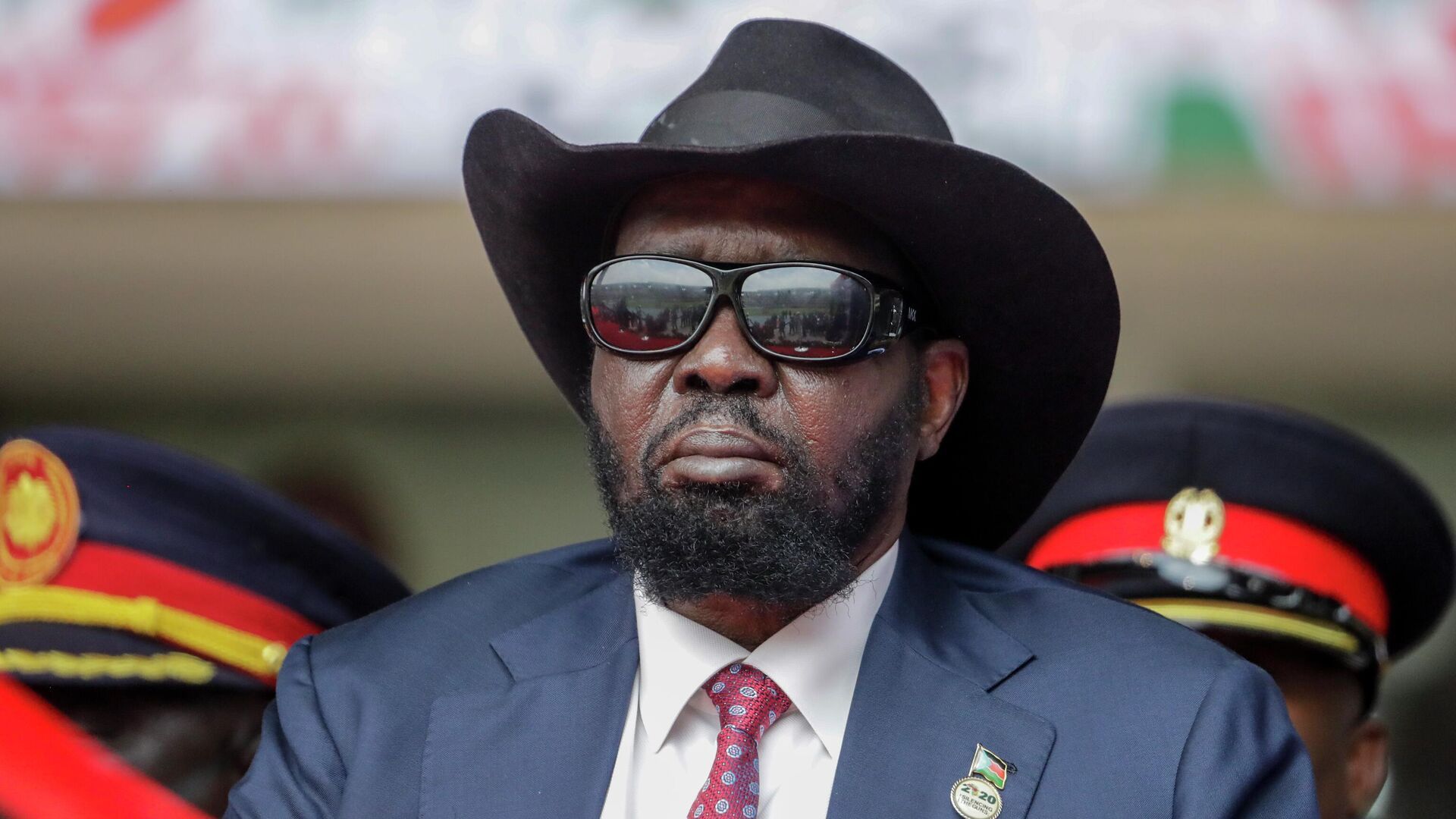
South Sudan at the Brink: How Corruption Tightens Its Grip on a Rare Working Institution

South Sudan’s Oil Looters: How Young Elite Gatekeepers Plunder Nation While Citizens Starve