Soft power co-opts people rather than coerces them. At the personal level, wise parents know that their power will be greater and will last longer if they exemplify sound ethical values for their children, rather than relying only on spankings, allowances or taking away the car keys. America gains soft power from our values (when we live up to them), and our policies (when they are seen as legitimate because they are framed with some humility and awareness of others’ interests). How our government behaves at home (for example, protecting a free press), in international institutions (consulting others and multilateralism) and in foreign policy (promoting development and human rights) affects others by the influence of our example. In all of these areas, Mr. Trump has reversed attractive American policies and made America weaker rather than greater.
Defenders of the administration reply that moral issues and soft power do not matter in international relations. Mr. Trump’s acting chief of staff, Mick Mulvaney, proclaimed a “hard-power budget” as he slashed funds for the State Department and the U.S. Agency for International Development by 30 percent. Fortunately, America is more than its government. Unlike our hard-power assets, many soft-power resources are generated by our civil society.
Skeptics argue that the decline of American soft power does not matter much because countries cooperate out of self-interest. But that argument misses a crucial point: Cooperation is a matter of degree, and the degree is affected by attraction or repulsion. The status of our soft power also affects nonstate actors — for example, by aiding or impeding recruitment by terrorist organizations such as the Islamic State movement. In an information age, success depends not only on whose army wins, but also on whose story wins.
The open values of our democratic society are among the greatest sources of America’s soft power. Even when mistaken government policies reduce our attractiveness, the ability of America to criticize itself and correct its mistakes makes us attractive to others at a deeper level. When protesters around the world were marching against our government’s policies during the Vietnam War, they often sang “We Shall Overcome,” the anthem of our civil rights movement, rather than the Communist “Internationale.”
That should give us hope for the current moment. Given past experience, there is reason to believe that the United States can still recover its soft power after the Trump presidency.
Joseph S. Nye Jr. is a professor at Harvard and the author, most recently, of “Do Morals Matter? Presidents and Foreign Policy From FDR to Trump.”
The Times is committed to publishing a diversity of letters to the editor. We’d like to hear what you think about this or any of our articles. Here are some tips. And here’s our email: [email protected].
Follow The New York Times Opinion section on Facebook, Twitter (@NYTopinion) and Instagram.
Related reporting
More World News →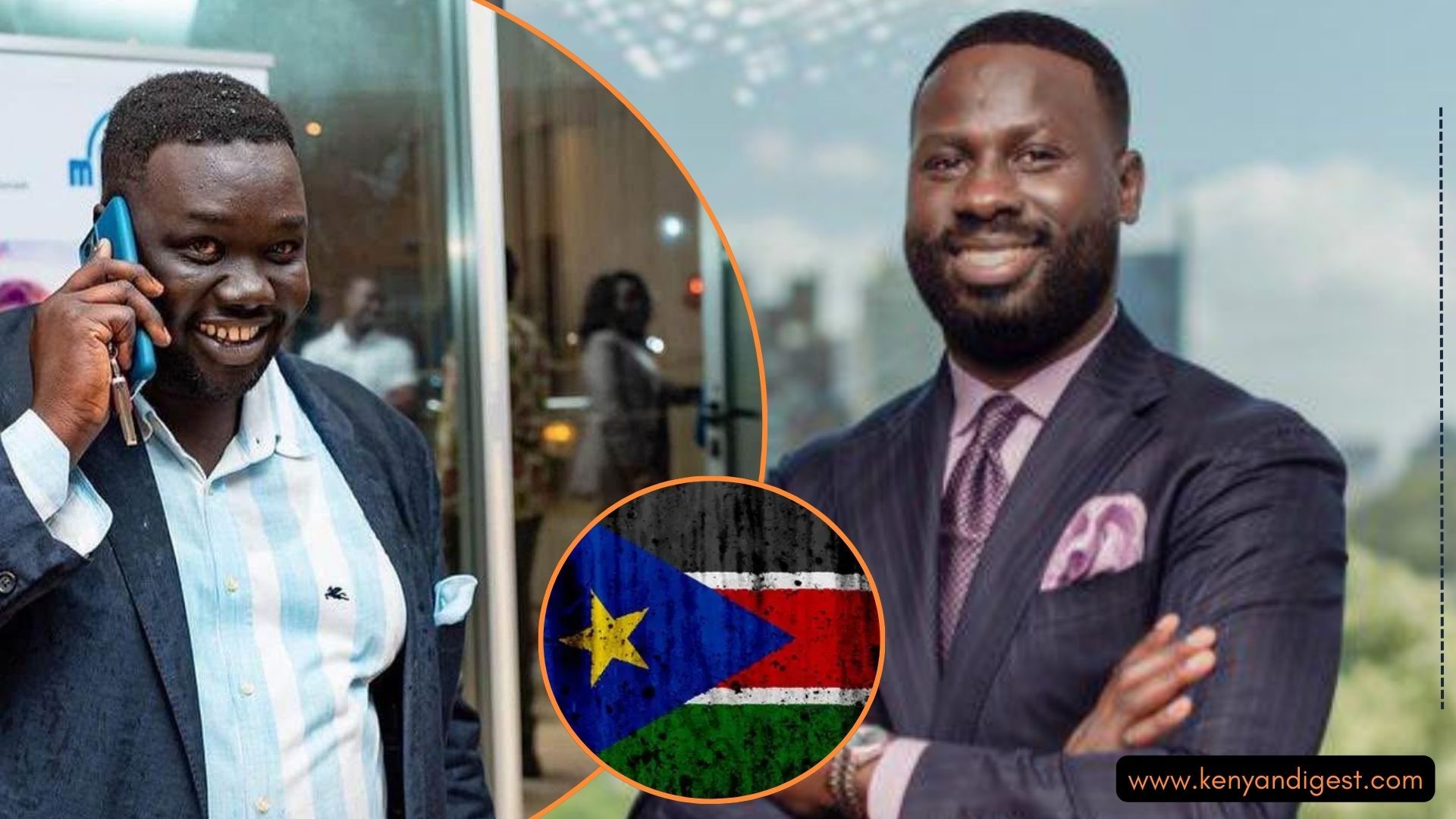
South Sudan’s Oil Looters: How Young Elite Gatekeepers Plunder Nation While Citizens Starve
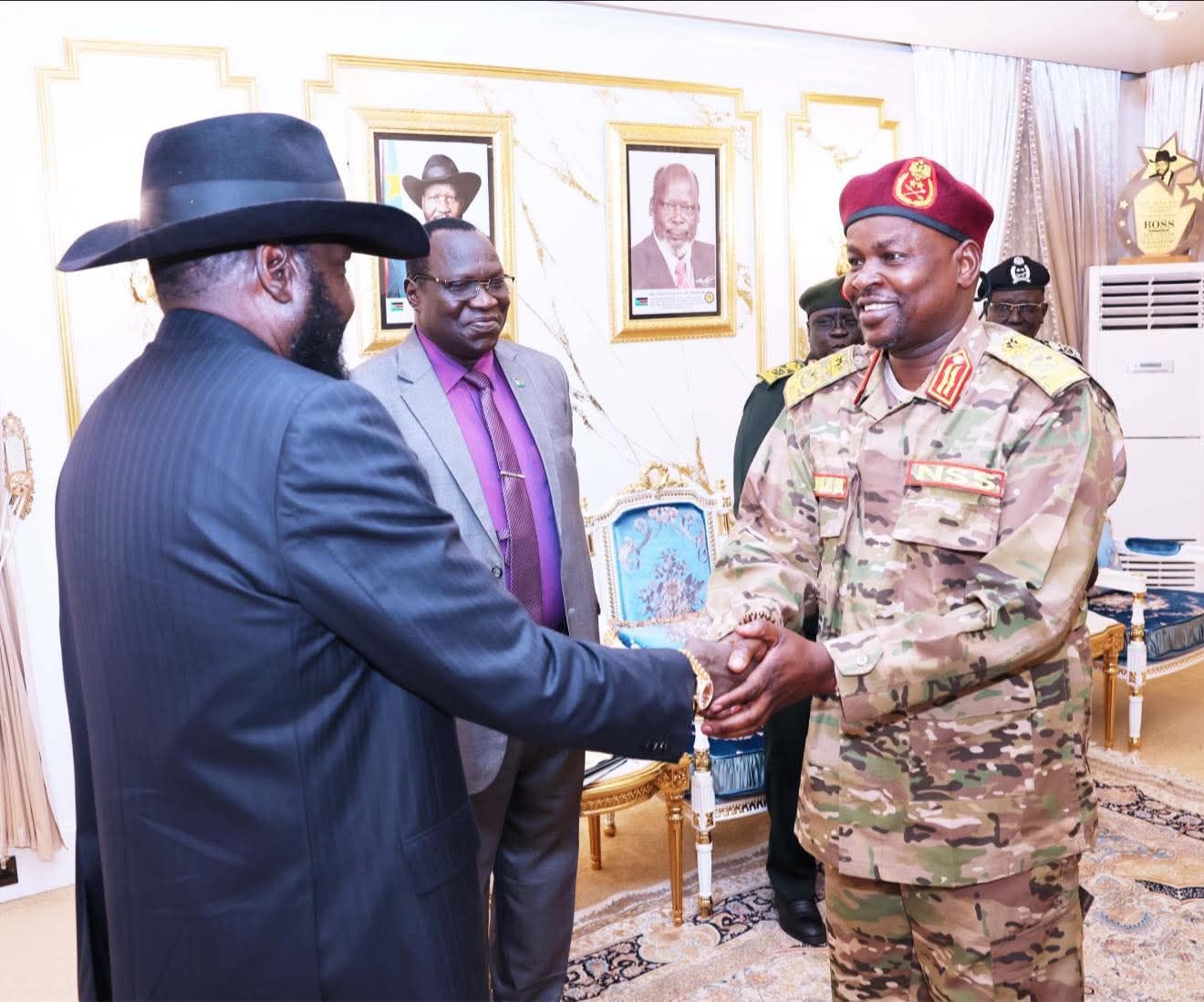
General to Private: Kiir Crushes Economic Vice President in South Sudan's $1.7 Billion Corruption Purge
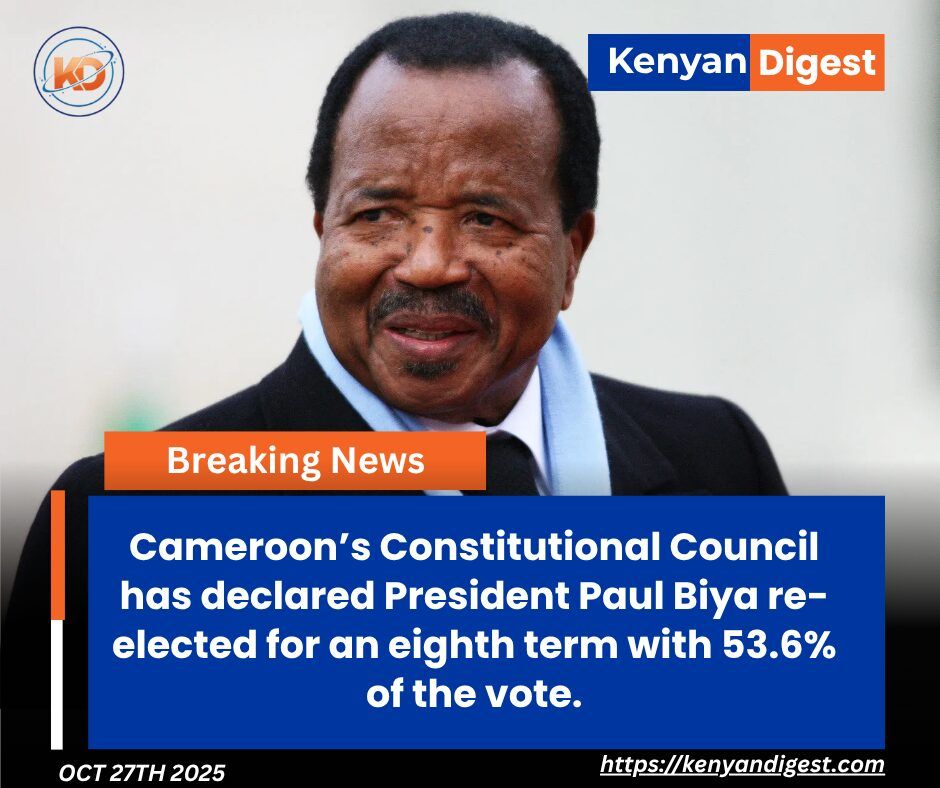
Paul Biya’s Re-Election: What Cameroon’s Political Longevity Reveals About Leadership and Governance in Africa