The extreme measures that have been taken to contain the disease inside China promise all kinds of global breakdowns if they endure there and spread around the world. The supply chains that now bind our world system have never been tested in a severe pandemic, and one can extrapolate forward from China’s developing economic slowdown, and from slow-building delays and shortages worldwide, to a scenario where the coronavirus finally brings the post-2008 expansion to a grinding, deglobalizing halt.
Perhaps the worst can be averted, but these scenarios have been obvious from early in the epidemic — and so has the possibility that underreaction could make things worse, that a bias toward stability and reassurance could lead to darker outcomes in the end. It wouldn’t be the first time: As Ari Schulman wrote in The New Atlantis in 2015, during the previous year’s Ebola outbreak, the C.D.C.’s determination to reassure the public led to messaging “based on fragmentary evidence” that other evidence qualified or contradicted and left nurses caring for Ebola patients wearing only surgical masks instead of respirators; only after two nurses were infected were the guidelines changed. The World Health Organization’s response to the Ebola outbreak was delayed by fears that declaring an emergency “could anger the African countries involved, hurt their economies, or interfere with the Muslim pilgrimage to Mecca.”
From what we can tell, the coronavirus outbreak in China followed a similar pattern of “all is well” folly and insufficient first response. But in the United States, too, the “we have nothing to fear but fear itself” messaging seems inapt, given that America’s slow internal response, our apparent failure so far to expand testing beyond those who seem most obviously exposed, means that we have no way of knowing whether and how many cases are already circulating here. We may have an Italian scenario on our hands already, disguised as normal flu cases, normal flu deaths; given the still-limited scale of United States testing, there is no way to be sure, and if we escape a major outbreak, it will be more from luck than prudence.
So already, the virus has exposed a clear weak spot in what you might call the liberal-globalist imagination: an overzealous “remain calm” spirit in the face of the real risks of a hyper-connected world.
And behind that weakness lurks a structural danger for the globalist project. For the last few years there’s been a lively policy debate about the wisdom of exporting so much of the American industrial base to Asia, but it’s mostly revolved around national-security questions — what would it mean in a war with China, etc. But it turns out that you don’t need a conflict in the Taiwan straits to make the entire China-United States economic arrangement look reckless or vulnerable or unwise; you could just need one significant mutation, of one novel flu-like sickness.
But before populists crow their vindication, we need to see how our populist president handles any of this. If globalism’s weakness is technocratic naïveté, populism’s faults are ignorance, incompetence and paranoia. Nothing about President Trump’s response so far instills confidence that he’s ready for the kind of crisis that Candidate Trump would have been quick to recognize and politically exploit. And the fact that Rush Limbaugh spent yesterday declaring that the coronavirus is no worse than the common cold, and that it’s “being weaponized” by the press “to bring down Donald Trump” — well, that doesn’t instill confidence that pressure from the right will force Trump to take the outbreak seriously.
Related reporting
More World News →
South Sudan’s Oil Looters: How Young Elite Gatekeepers Plunder Nation While Citizens Starve

General to Private: Kiir Crushes Economic Vice President in South Sudan's $1.7 Billion Corruption Purge
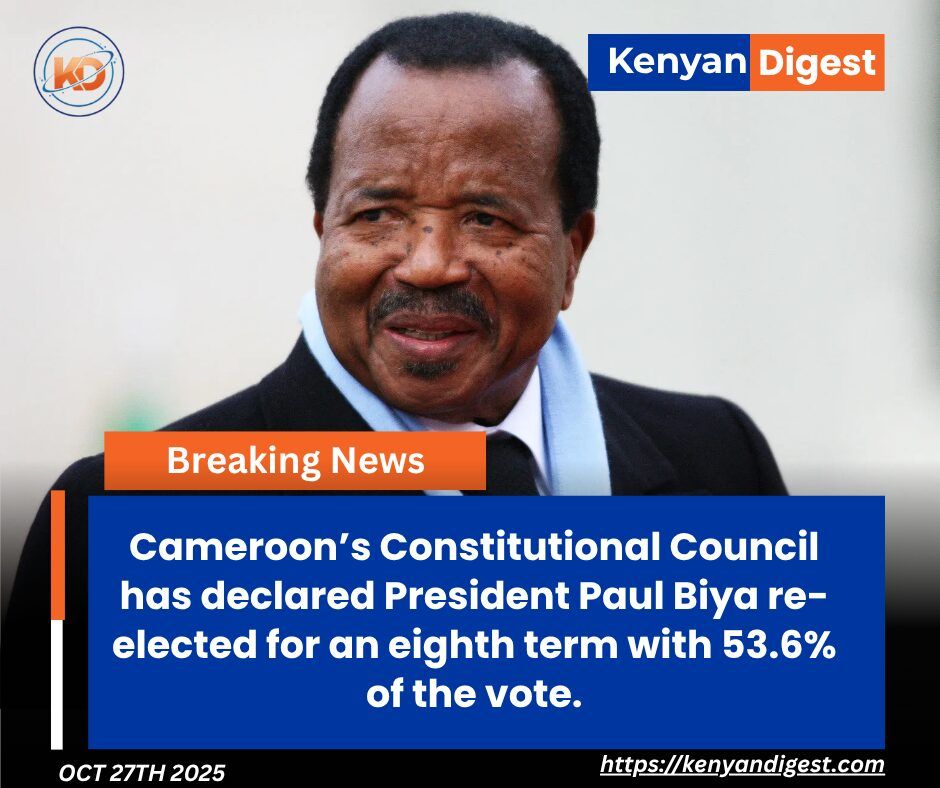
Paul Biya’s Re-Election: What Cameroon’s Political Longevity Reveals About Leadership and Governance in Africa