Logically, I knew, the plan was ridiculous. But the planning process was very reassuring and not unlike checking off items on a hotel breakfast menu with a golf pencil. Buried among these easy fantasies, however, a few boxes hinted at a very different story: I’ll decide whether to use pain medication; I’d like to be offered an epidural; I’ll choose the position I deliver in.
Of course I’d be doing and deciding all those things, wouldn’t I?
A few generations ago, maybe not. While women have no doubt been planning for birth as best they can since the beginning of time, in the early 1980s doctors and their patients started committing plans to paper. The ever-increasing medicalization of birth had collided with a second-wave feminist concern that pregnant women were losing their agency in a male-dominated medical field, and the new “birth plan” was an unlikely makeshift truce. But like all other contract-requiring arrangements, the birth plan implies a conflict just waiting to happen.
Still, for nine whole months I did a lot of talking and thinking about — and choosing, always choosing — what television shows and pregnancy books and online Facebook forums called my “best birth.” This is what the birth plan promised, and I bought into it entirely, with full confidence. Perhaps it’s an evolutionary tactic for species survival, but all I know is right before we headed to the hospital, I quickly prepped some chicken wings to marinate in the fridge. That’s how certain I was I’d be home by dinner.
I will spare you the gory details; suffice to say I wasn’t home for dinner. I wasn’t home the next day, or the next, or the day after that. I wasn’t back to work on Monday and I definitely didn’t drive a tractor later that day (or ever). I’m told I held my daughter in the moments after she arrived, but even then my brain was selecting some memories and discarding others. Some parts of the birth story I can only hope to forget: induction, complications, “failure to progress,” interventions, fetal distress, “poor expulsive effort,” tearing, episiotomy, hemorrhage. Had I been in an Amish farmhouse in 1927 — or hell, even at home in 2017 — I’d have almost certainly died.
In the same strange breath, I feel blessed that modern medicine saved us both. I’m eternally grateful, and know all too well that others are not so lucky.
When my daughter grows up, if she chooses to have a child, I’ll definitely tell her to skip the birth plan, as there really is no planning for birth.
But most often I think: When she asks for the story of the day she was born, what will I possibly tell her?
Related reporting
More World News →
South Sudan’s Oil Looters: How Young Elite Gatekeepers Plunder Nation While Citizens Starve
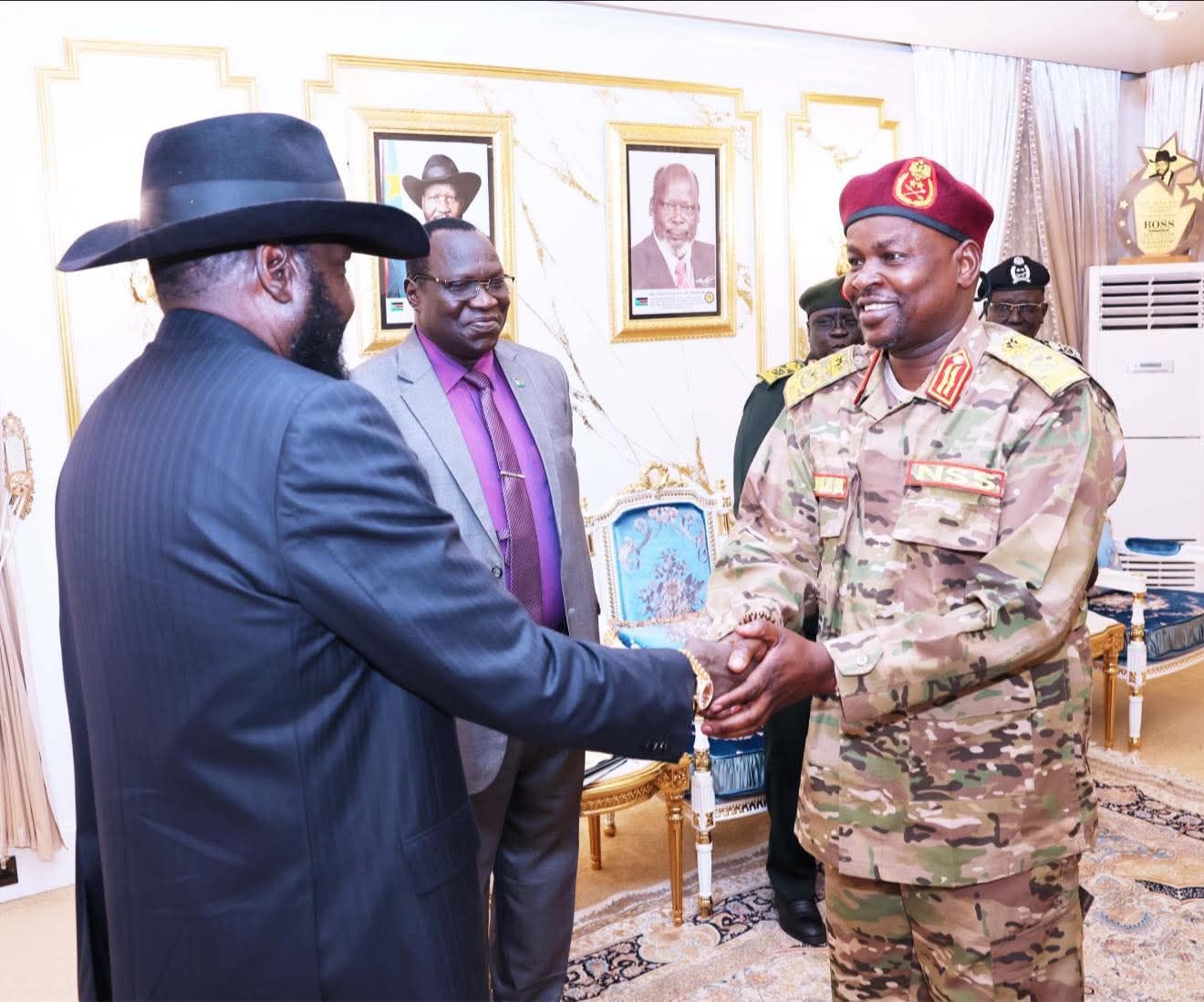
General to Private: Kiir Crushes Economic Vice President in South Sudan's $1.7 Billion Corruption Purge

Paul Biya’s Re-Election: What Cameroon’s Political Longevity Reveals About Leadership and Governance in Africa