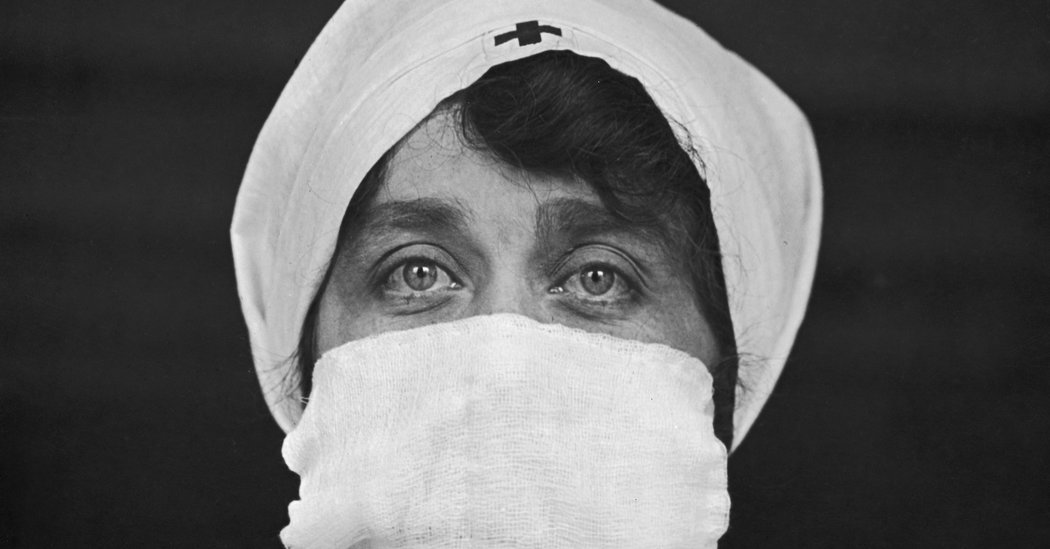
Although most of the nuns had little experience of the outside world and no medical training, 2,000 sisters answered the archbishop’s call. They signed on for 12-hour shifts, navigating the unfamiliar streetcar system through a city made still with fear. Dressed in white gowns and gauze masks, the sisters treated patients who represented a cross section of Philadelphia: immigrants from Italy, Ukraine, Poland and China; black families, Jewish families, and the city’s poorest, its orphans, its homeless and destitute, all in need of care.
They tended to stricken men, crammed 30 to a ward, with the dirt from their factory jobs still smeared on their faces and hands. Hallucinating patients tried to climb out of windows, tore at the bedsheets, threw glass tumblers at their nurses and begged God for mercy. In private homes, the sisters found parents dead in their beds while their hungry children cried in the next room. “The windows were closed tightly, and we felt we could taste the fever,” one nun recalled later.
They washed linens, served hot soup and mixed medicine. They brought water, ice, blankets and comfort. “The call ‘Sister’ could be heard every minute during the night,” one remembered of her hectic shifts. Another spoke about her initial trepidation on her first day: “I was struck, at first, with a fearful dread, for I never came in close contact with death but once in my life. But realizing what must be done, I quickly put on my gown and mask, and being assigned to the women’s ward, I began my duties.”
My grandmother and her family survived, huddled inside, as the flu roared through the city. They were lucky: By the epidemic’s end, 23 of the sisters had died from the flu, joining the more than 12,000 Philadelphians who were killed in the six short weeks of the outbreak’s peak.
In November 1918, the commissioner of health in Pennsylvania recognized the sisters’ work. “Without the services rendered by these good women many additional lives would have been sacrificed,” he wrote, noting his “sincere appreciation.” In December, the mayor of Philadelphia thanked the sisters for their help during the flu’s worst season. “I have never seen a greater demonstration of real charity or self-sacrifice than has been given by the sisters in their nursing of the sick,” he said, “irrespective of the creed or color of the victims, wherever the nuns were sent.”
Related reporting
More World News →
South Sudan’s Oil Looters: How Young Elite Gatekeepers Plunder Nation While Citizens Starve
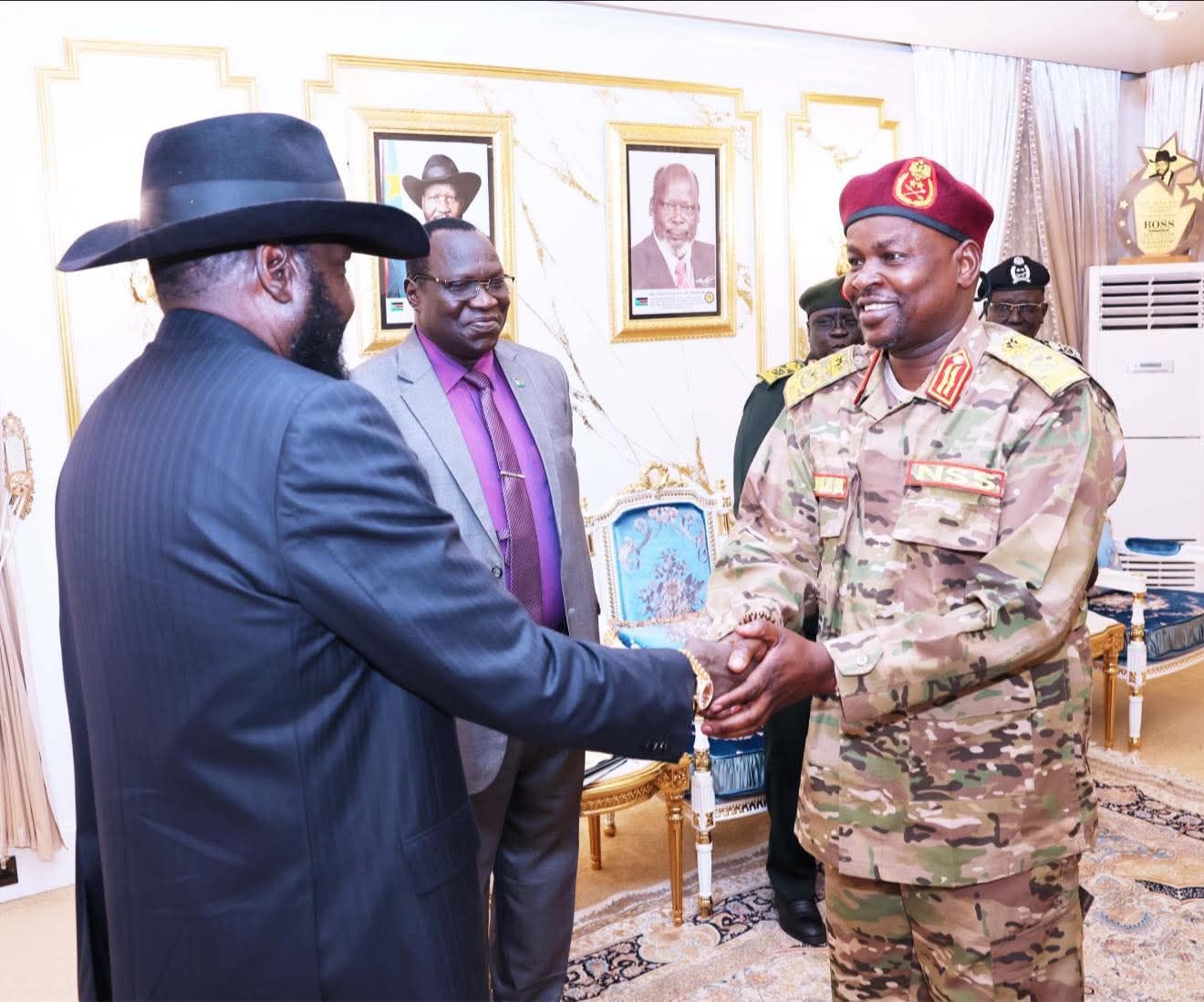
General to Private: Kiir Crushes Economic Vice President in South Sudan's $1.7 Billion Corruption Purge

Paul Biya’s Re-Election: What Cameroon’s Political Longevity Reveals About Leadership and Governance in Africa