The Russians were incensed this fall when the United States and allied NATO forces conducted exercises in the Black Sea, near the Ukrainian and Russian coasts.
Understand Russia’s Relationship With the West
The tension between the regions is growing and Russian President Vladimir Putin is increasingly willing to take geopolitical risks and assert his demands.
Privately, American officials have little hope that Mr. Putin would be satisfied with agreements that restore the status quo of a few years ago. And their concern is that the Russians will emerge from the Geneva talks, and others this week in Brussels and Vienna, declaring that diplomacy has failed — and that Mr. Putin will attempt to seize more of Eastern Ukraine, or carry out cyber or other attacks to cripple the government in Kyiv.
Still, Mr. Blinken’s statements appeared intended to create an opening, leaving the possibility of moving some heavy weaponry out of Poland, or limiting the scope of military exercises in Europe, in return for reciprocal actions by Russia — which presumably would have to include pulling troops back from the Ukraine border.
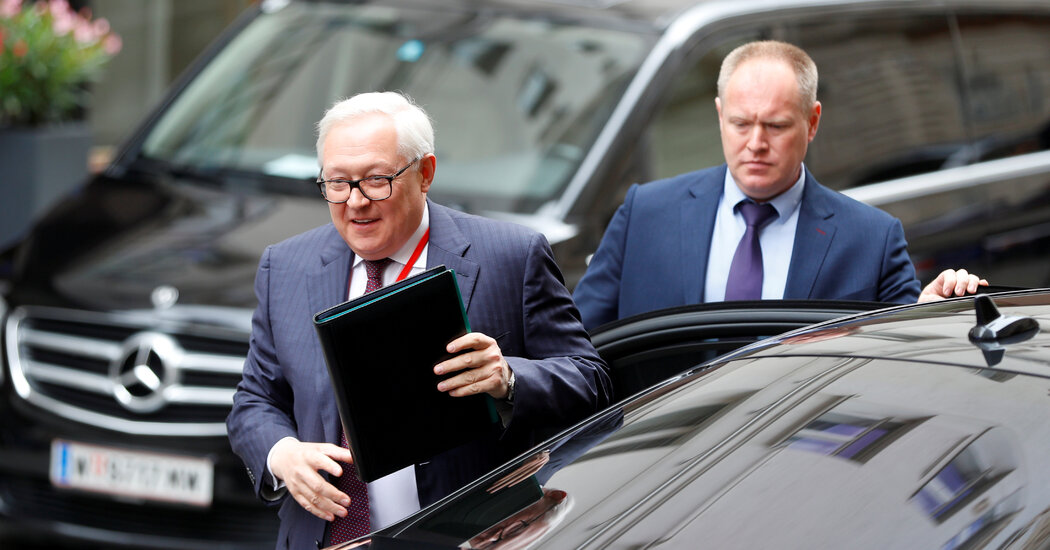
After a two-hour dinner with Ms. Sherman in Geneva Sunday evening, Mr. Ryabkov emerged sounding a slightly more positive tone. The talks were not “easy, but in principle, businesslike,” Mr. Ryabkov told reporters, adding. “I don’t think we will be wasting time tomorrow.”
Understand the Escalating Tensions Over Ukraine
Card 1 of 5
Ominous warnings. Russia called the strike a destabilizing act that violated the cease-fire agreement, raising fears of a new intervention in Ukraine that could draw the United States and Europe into a new phase of the conflict.
The Kremlin’s position. President Vladimir V. Putin of Russia, who has increasingly portrayed NATO’s eastward expansion as an existential threat to his country, said that Moscow’s military buildup was a response to Ukraine’s deepening partnership with the alliance.
Russia is seeking what it calls “security guarantees” from the United States and the NATO alliance that would essentially grant the country the kind of sphere of influence it has not enjoyed for more than 30 years, including Ukraine and other post-Soviet countries in Eastern Europe. The Kremlin has been backing up those demands by massing tens of thousands of troops and equipment near its border with Ukraine, signaling that it is prepared to use force if diplomacy fails.
While Mr. Blinken attempted to focus the discussion on missile basing and military exercises in the region, Mr. Ryabkov said that Russia’s aims in the talks would go well beyond arms-control issues. Signals sent by American officials ahead of the talks, he said, “reflect a lack of understanding of what we need,” according to the RIA Novosti news agency.
Mr. Ryabkov said that Russia would seek to revise the relationship with the West that was put in place with the NATO-Russia Founding Act of 1997. That agreement was followed by countries in the former Soviet sphere of influence joining the Western alliance, and many in Moscow see it as having disregarded Russia’s security interests in Europe.
Related reporting
More World News →
South Sudan’s Oil Looters: How Young Elite Gatekeepers Plunder Nation While Citizens Starve
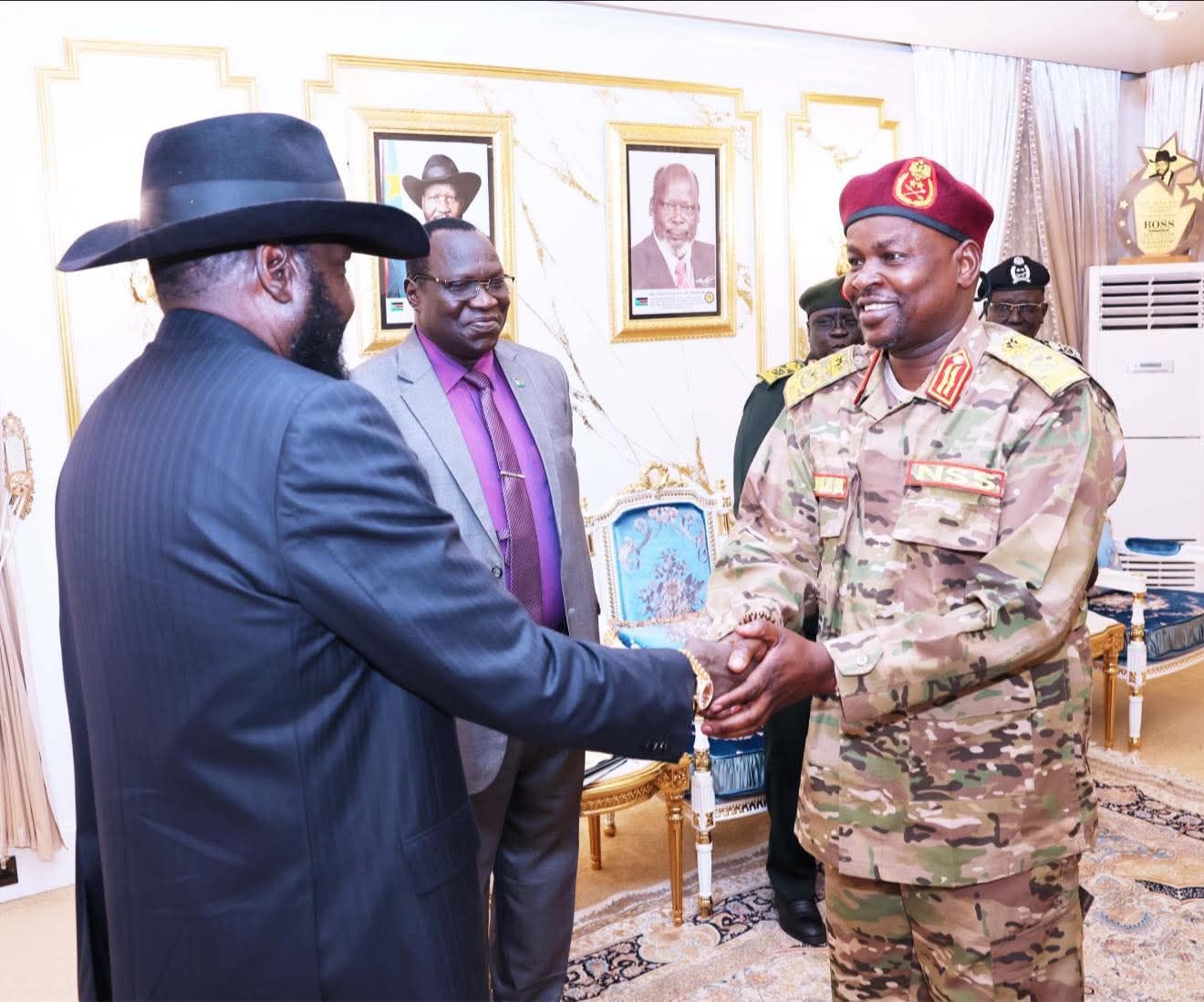
General to Private: Kiir Crushes Economic Vice President in South Sudan's $1.7 Billion Corruption Purge
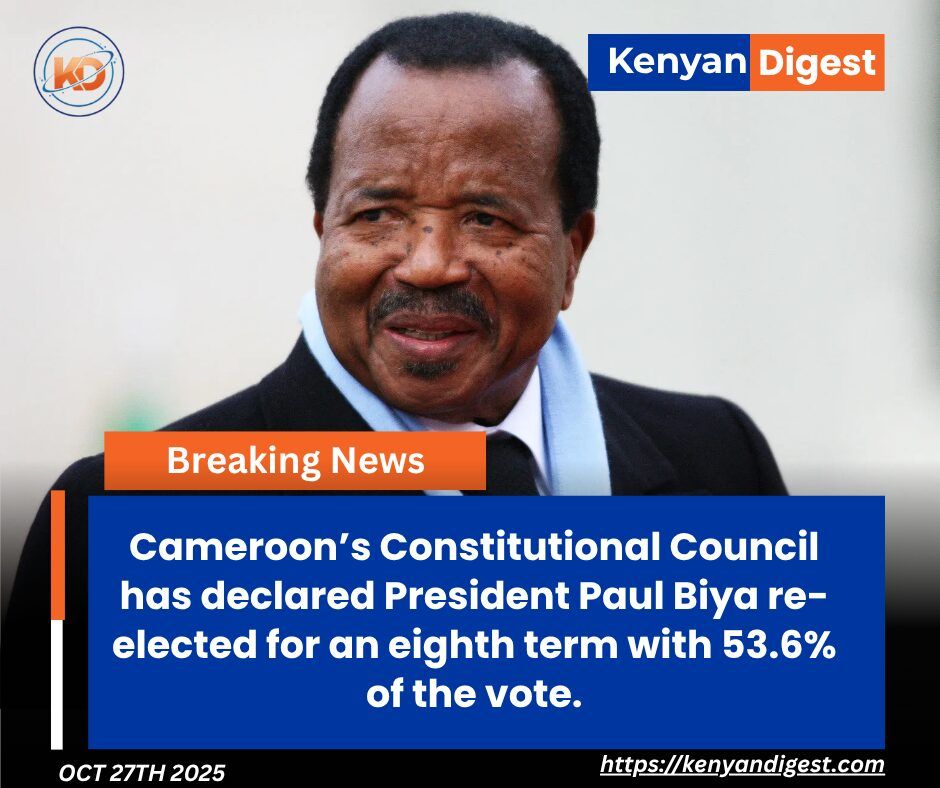
Paul Biya’s Re-Election: What Cameroon’s Political Longevity Reveals About Leadership and Governance in Africa