(Want to get this briefing by email? Here’s the sign-up.)
Here are the week’s top stories, and a look ahead.
1. The first known death in the United States from the coronavirus was reported in Kirkland, Wash., near Seattle.
The director of the Centers for Disease Control and Prevention said there was no evidence that the person had traveled recently or had contact with someone known to have the virus, adding to growing signs that the virus is spreading in the United States. Above, EvergreenHealth Medical Center, where the patient had been treated.
The number of confirmed cases around the globe passed 85,000 on Saturday, according to a tracker maintained by Johns Hopkins University, and more than 2,900 infected people have died. While the virus’s growth appeared to slow in China last week, it was accelerating elsewhere, with many new cases linked to an outbreak in Italy.
How prepared is the U.S. for an outbreak? It’s better positioned than most countries, according to experts, though there could be shortages of ventilators and protective equipment. The most important thing you can do: Wash your hands often.
Sign up for our new coronavirus newsletter, which will have the latest developments and expert advice about prevention and treatment.
2. Joe Biden won the South Carolina primary with 49 percent of the vote, a victory that could provide his candidacy with a much-needed jolt after disappointing results in the earlier contests.
Bernie Sanders finished in a distant second with 20 percent, followed by Tom Steyer, who dropped out of the presidential race on Saturday night. Mr. Steyer, a billionaire hedge fund executive, had spent considerable resources in South Carolina, and had pinned the hopes of his campaign on the state.
He said on Saturday night: “I said that if I didn’t see a path to winning, I would suspend my campaign. And I honestly don’t see a path.”
Pete Buttigieg finished in fourth, and Elizabeth Warren in fifth. See full results here.
South Carolina’s Democrats were the first predominantly black electorate to vote in the race. Many said they were eager to send a message to the Democratic Party: that their views on electability — which candidate is best suited to beat President Trump — would not be shaped by outcomes in overwhelmingly white states like Iowa and New Hampshire.
3. The U.S. signed a deal with the Taliban on Saturday that laid out a timetable for the final withdrawal of troops from Afghanistan, setting the stage to end America’s longest war.
“When historians look back at the moment,” David Sanger writes in an analysis of the news, “they may well conclude that Washington ended up much like other great powers that entered Afghanistan’s rugged mountains and punishing deserts: frustrated, immobilized, no longer willing to bear the huge costs.”
The agreement unlocks a difficult but crucial next step: negotiations between the Taliban and other Afghans, including the government, which the Taliban has refused to recognize. Here are four takeaways.
4. Stock markets suffered their worst week since 2008, with the S&P 500 index falling 11.5 percent amid worries that the coronavirus outbreak could become a worldwide pandemic.
The Federal Reserve and other central bankers are poised to respond, suggesting they may cut interest rates as soon as next month. But their efforts may only go so far: Rates are historically low across advanced economies, and it’s doubtful a rate cut can do much to restart production lines hobbled by workers placed in quarantine.
“If a potential coronavirus downturn were a fire,” Neil Irwin writes in The Upshot, “the recession-fighters would be like a fire brigade low on supplies, fighting among themselves, and probably lacking the right chemicals to quench the flames anyway.”
5. For migrants on the Mexican border, Friday was a day of hopes uplifted, and then quickly dashed.
A federal appeals court ruled that the so-called Remain in Mexico policy — which has forced asylum seekers to wait there for months while their cases are reviewed — was legally invalid, leading to cheers and hugs at the Good Samaritan shelter in Ciudad Juárez. But by the end of the day, nothing had changed, as the court stayed the ruling to allow the government time to appeal.
And in Turkey, thousands of migrants trying to reach Europe clashed with riot police on the Greek border on Saturday morning, signaling a new and potentially volatile phase in the migration crisis.
6. The country’s richest state doesn’t feel that way.
California’s unaffordability crisis — wide-scale homelessness, poverty and the stress of making ends meet — has emerged as a foundational issue as the state prepares to vote in the Super Tuesday primaries.
Nearly 150,000 homeless people sleep on sidewalks, in alleys, on vacant lots and in vehicles. “I pay the bills and I have nothing extra,” Mark Marquez, above, said.
7. In memoriam: Joseph Coulombe, the founder of Trader Joe’s, died Friday at age 89.
In the mid-1960s, when he started the grocery chain, he thought the rise in international travel could lead Americans to be more interested in exotic foods. Soon he was emphasizing organic foods, and had launched Trader Joe’s own label for numerous products, many of them at low prices.
In 2011, he told The Los Angeles Times that he envisioned the stores as being “for overeducated and underpaid people, for all the classical musicians, museum curators, journalists.”
8. Meet the “dirt spoons” of South Korea.
In Seoul, many of the urban poor live in semi-basements, a reality captured in the Oscar-winning film “Parasite.” Just like in the movie, the elevation of one’s home in the congested city often reflects wealth and status.
“They keep going higher and higher, so they won’t have to smell the smell down below,” said a 63-year-old taxi driver. “Those living up there must look down on people like me like pigs.”
Now she has a whole new set of fans, a new studio album on the way and a favorite candidate she’s helping to get elected the next president (his name is Pete).
Your Weekend Briefing is published Sundays at 6 a.m. Eastern.
You can sign up here to get our Morning Briefings by email in the Australian, Asian, European or American morning, or here to receive an Evening Briefing on U.S. weeknights.
Browse our full range of Times newsletters here.
What did you like? What do you want to see here? Let us know at [email protected].
Related reporting
More World News →
Saudi Prince Found Dead in Hotel Bathroom as Inquest Rules Death Was Misadventure
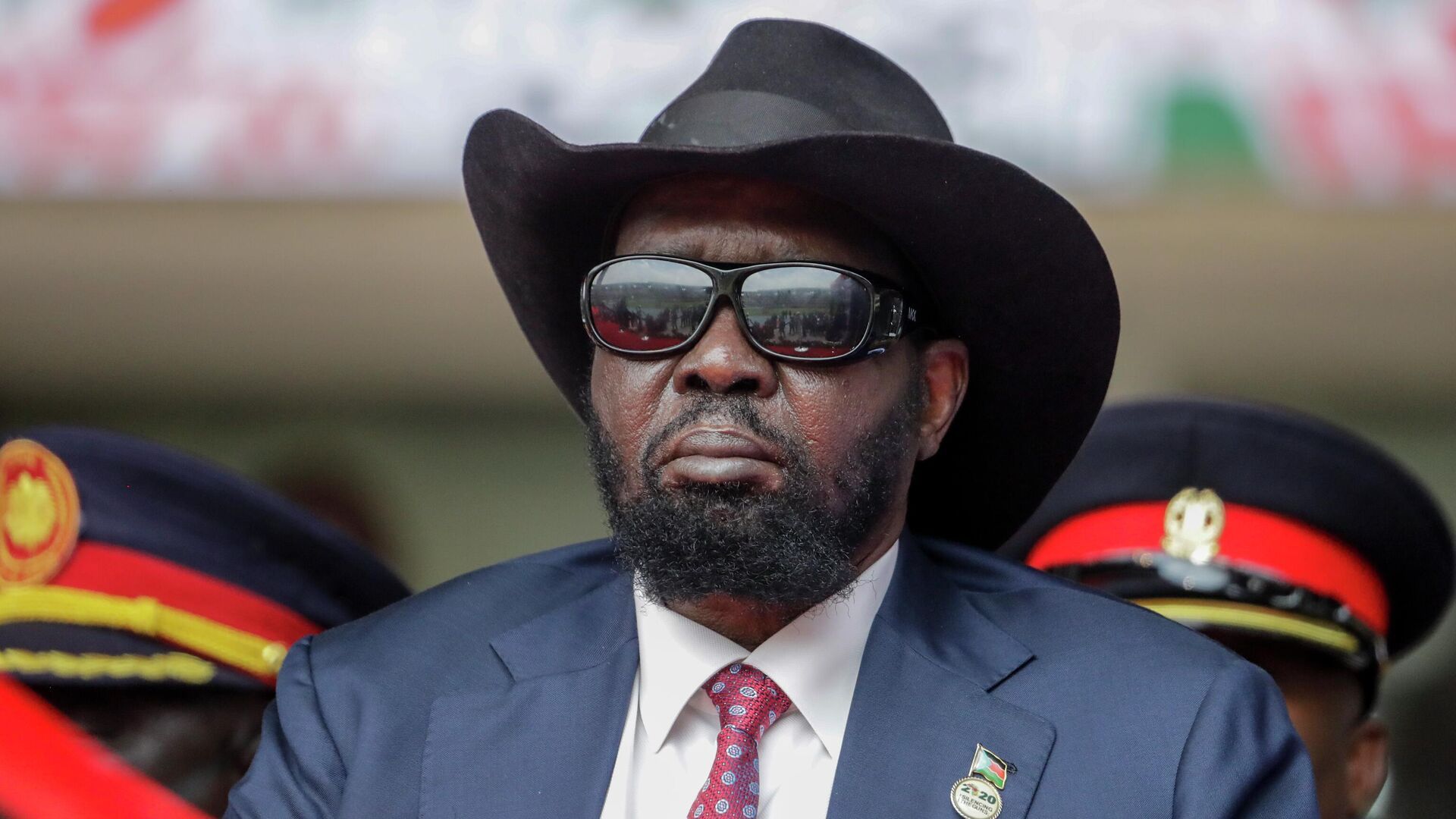
South Sudan at the Brink: How Corruption Tightens Its Grip on a Rare Working Institution

South Sudan’s Oil Looters: How Young Elite Gatekeepers Plunder Nation While Citizens Starve