According to Marion Nestle, an author and professor emeritus of nutrition, food studies and public health at New York University, if you are getting enough calories, then you are getting enough protein. (That is, unless you are an elite athlete.)
“People are very concerned about protein, but it’s a nonissue,” she said. “It’s in grains, it’s in vegetables, it’s everywhere. It will find you.”
With that anxiety abated, I turned to setting a concrete goal: a balance of plant-based versus meat-and-dairy meals to strive for every week, like my daily 10,000 steps (or should it be 15,000?), translated into broccoli and burgers.
After some mental calisthenics, I landed on trying to limit myself to two to three meals that include meat, seafood or dairy per week, and thrice-daily splashes of milk in my tea (nonnegotiable if I want to retain my sanity). I figure this is about a 40 percent reduction from the six to eight meaty, cheesy, anchovy- and yogurt-laden meals I had been eating weekly. (The rest were already meat- and dairy-free, and I don’t typically eat breakfast.)
Another way to strategize is to try keeping the daily mix of what you eat to 80 percent plant matter and 20 percent meat, dairy and seafood. (Going vegan all day, then having a small amount of meat or cheese with dinner is one way that people make this work.)
For my meat allotment, I’ve focused more on chicken, pork and local seafood (especially mollusks), which are generally less taxing to the environment than beef and lamb, both of which are now relegated to special-occasion status.
Of course, none of this is in any way a novel approach. The concept of flexitarianism has been around since the early 2000s, and it’s a central tenet in much of Michael Pollan’s writing. But somehow the term seems timeworn, and not at all evocative of the pleasures of the table.
Related reporting
More World News →
South Sudan’s Oil Looters: How Young Elite Gatekeepers Plunder Nation While Citizens Starve

General to Private: Kiir Crushes Economic Vice President in South Sudan's $1.7 Billion Corruption Purge
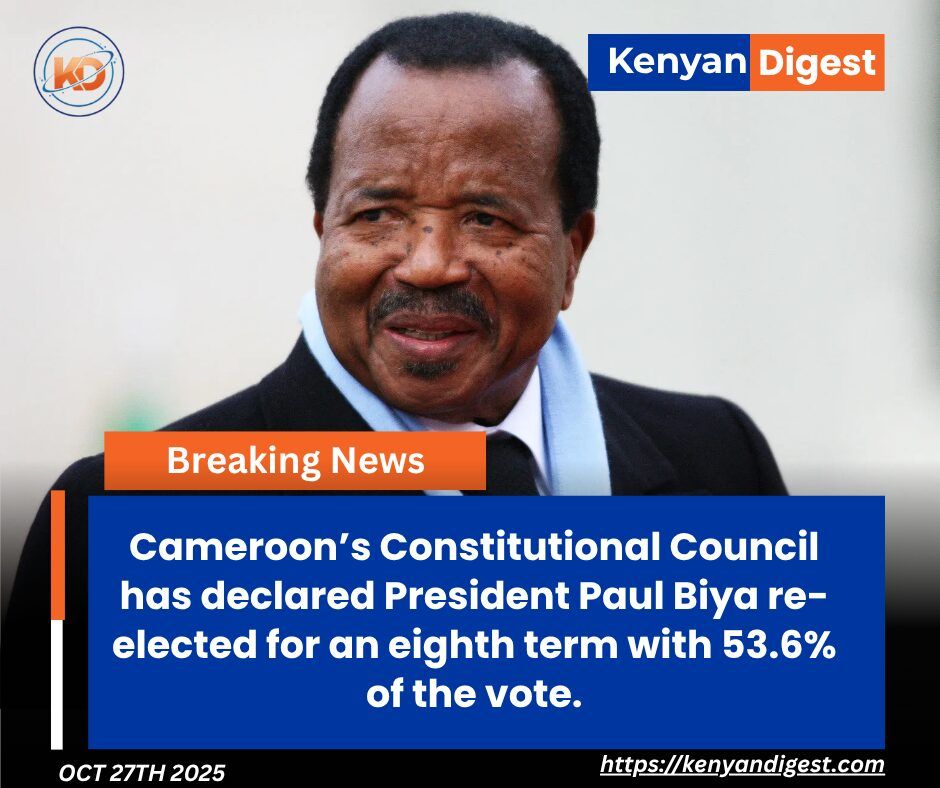
Paul Biya’s Re-Election: What Cameroon’s Political Longevity Reveals About Leadership and Governance in Africa