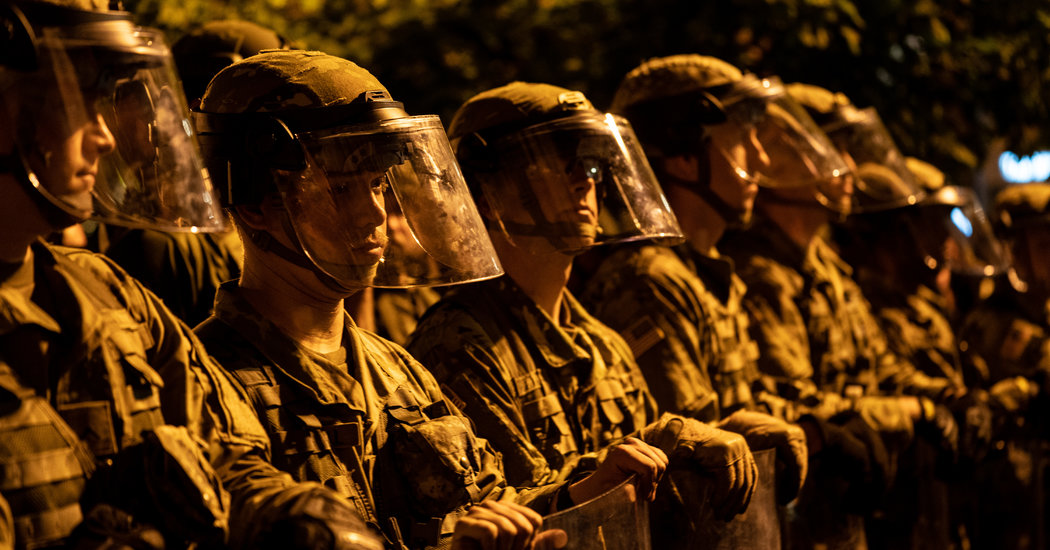
Both Mr. Esper and General Milley have faced a hail of criticism since their walk across the park with Mr. Trump, and their ties to the president seem to be shifting back to the troops and the Constitution. Mr. Esper, a former Army officer and Persian Gulf war veteran turned Beltway lobbyist for the defense contractor Raytheon, seemed particularly stunned at what he had stumbled into.
When he told NBC News that “I didn’t know where I was going,” he was speaking narrowly about being unaware that he was headed to the church. But his comment seemed to apply more broadly: that he did not understand that he was symbolically embracing the use of American military forces — the National Guard, and not yet active-duty troops — to suppress peaceful protest. He did not help himself by declaring that same day, to governors, that the mission was to “dominate the battle space” in American cities, as if he were discussing an operation in Anbar Province.
For Mr. Trump, who avoided the risk of being drafted into the Vietnam War with a diagnosis of bone spurs, acceptance by the Pentagon has been key — to him and to his base. He celebrated the hiring of Gen. Jim Mattis as his first defense secretary, and then he went looking for other generals: Lt. Gen. Michael T. Flynn, his first national security adviser; Lt. Gen. H.R. McMaster, his second national security adviser; and Gen. John F. Kelly, his second chief of staff.
None of those relationships ended well. But it was Mr. Mattis’s decision to break his long silence, and to declare that Mr. Trump was “the first president in my lifetime who does not try to unite the American people — does not even pretend to try,” that broke the dam.
Mr. Mattis, as a student of the rise and fall of civilizations, added: “We must reject any thinking of our cities as a ‘battle space’ that our uniformed military is called upon to ‘dominate.’’’ His critique, Senator Lisa Murkowski, Republican of Alaska, said on Thursday, was “true and honest and necessary and overdue,” a rare Republican break with Mr. Trump.
It was not until this week that the consequences of those differing views about the purposes of the military became evident to many Americans. Adm. Mike Mullen, a former chairman of the Joint Chiefs of Staff, denounced the use of the military to support the political acts of a president who had “laid bare his disdain for the rights of peaceful protest in this country.”
“The United States has a long and, to be fair, sometimes troubled history of using the armed forces to enforce domestic laws,” Admiral Mullen wrote in The Atlantic. “The issue for us today is not whether this authority exists, but whether it will be wisely administered.”
Related reporting
More World News →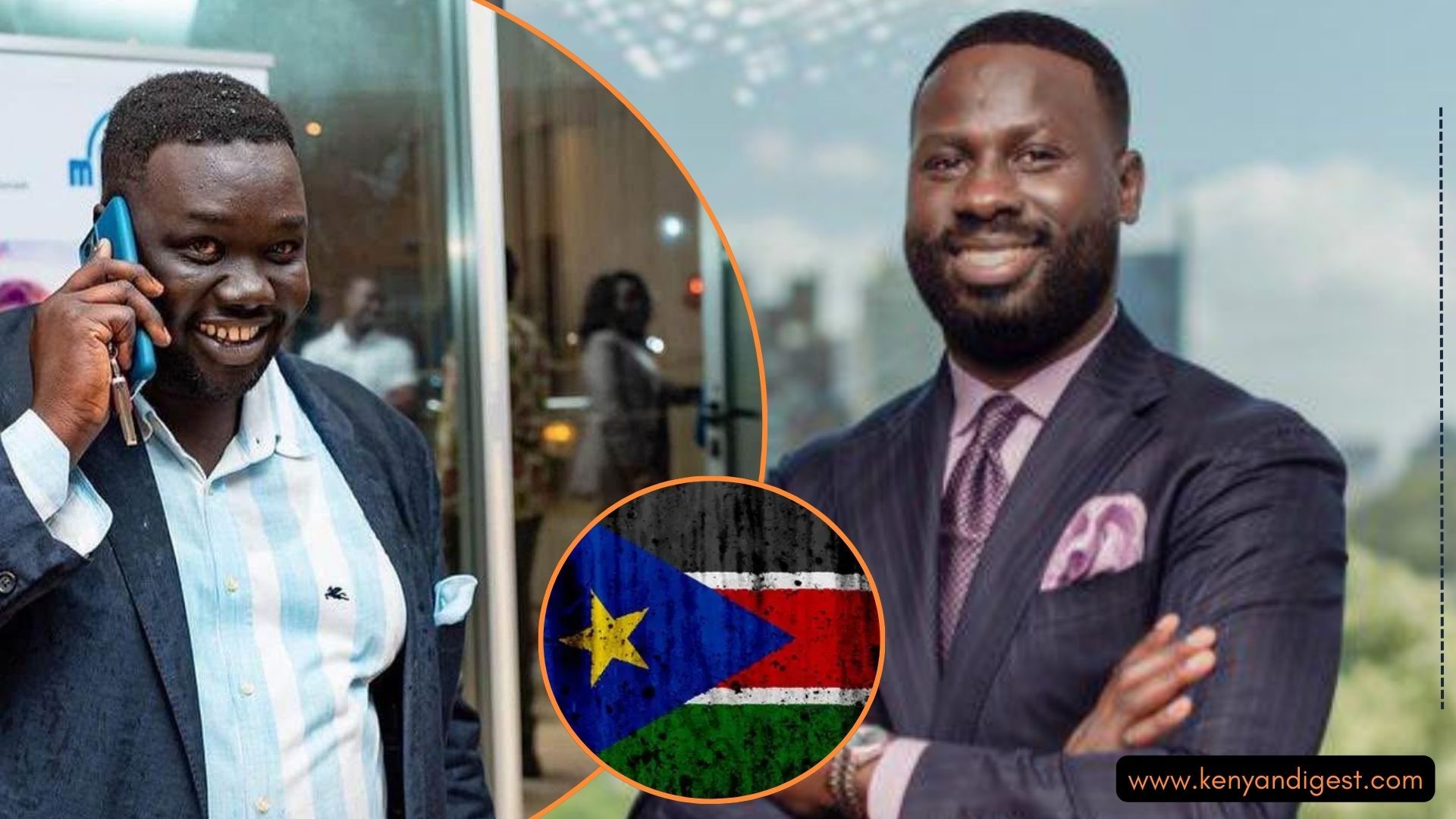
South Sudan’s Oil Looters: How Young Elite Gatekeepers Plunder Nation While Citizens Starve
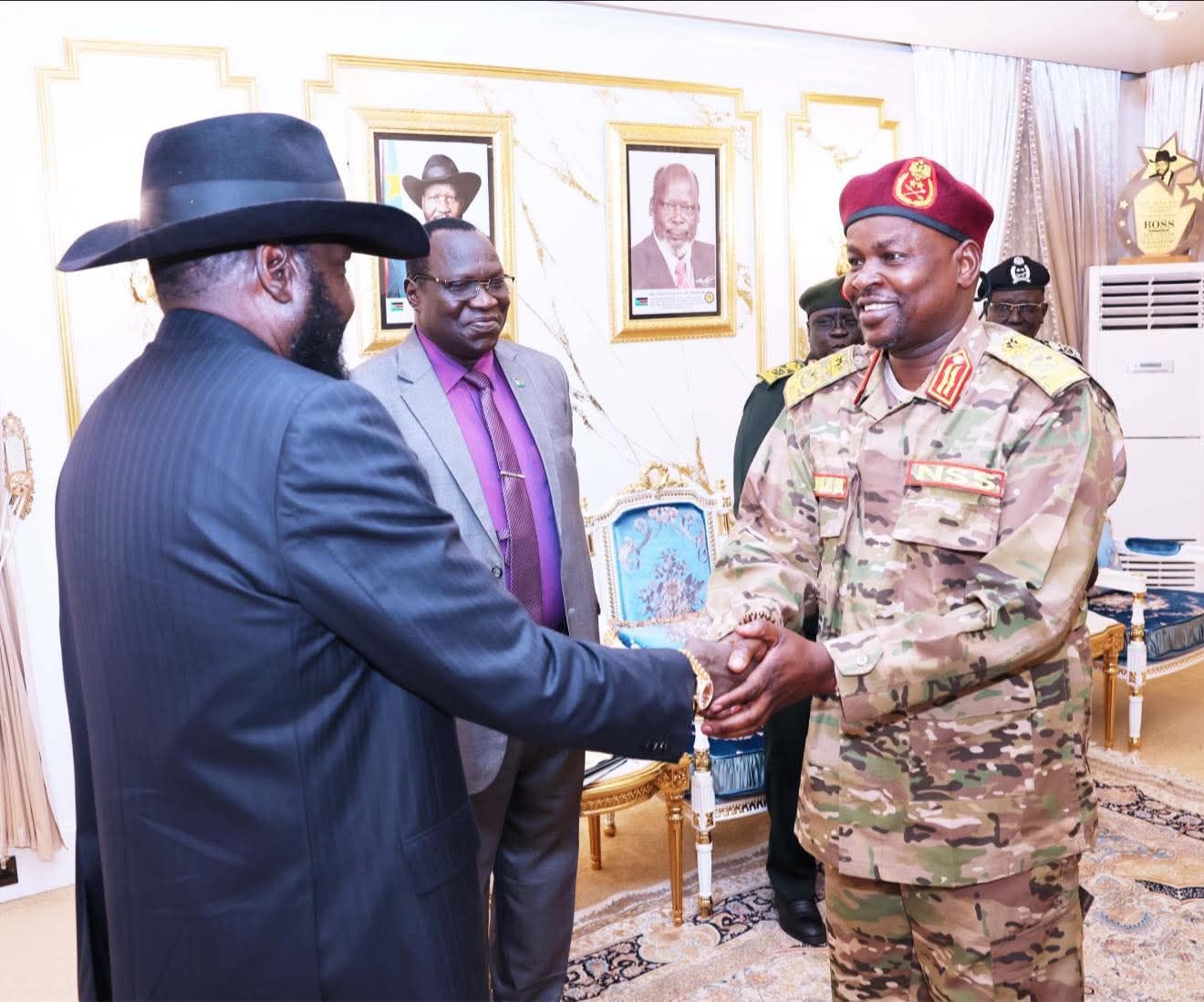
General to Private: Kiir Crushes Economic Vice President in South Sudan's $1.7 Billion Corruption Purge
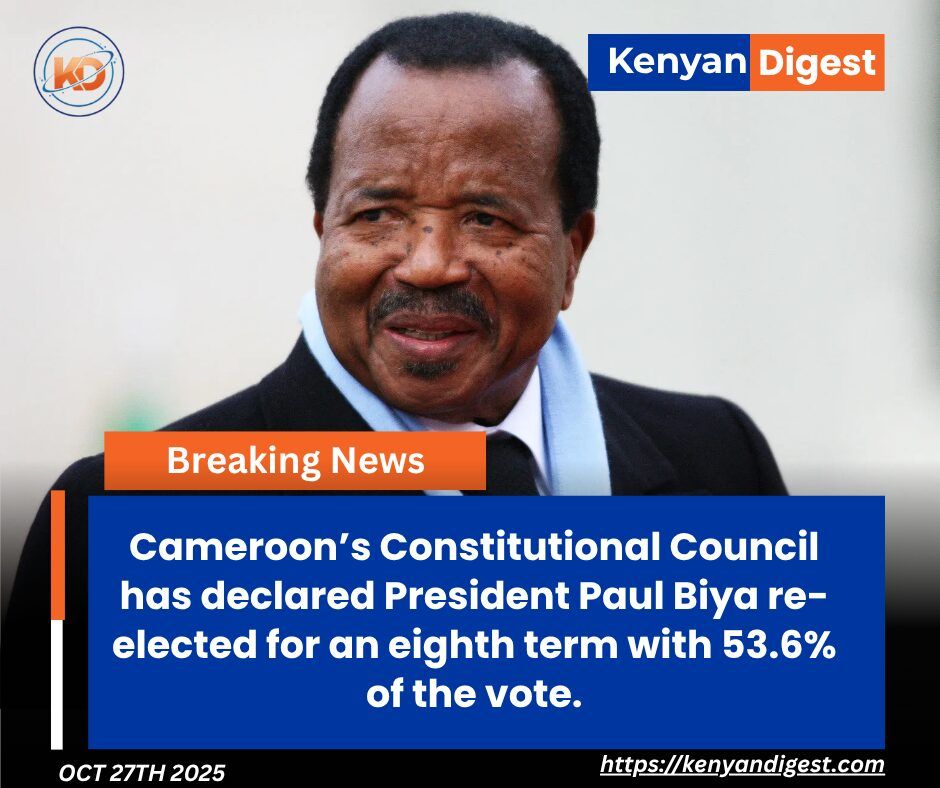
Paul Biya’s Re-Election: What Cameroon’s Political Longevity Reveals About Leadership and Governance in Africa