He would be the latest in a line of intelligence directors who have had varied policy experience including diplomatic or military backgrounds rather than stints in the intelligence world.
But Mr. Grenell is also an acerbic combatant who throws regular punches at “fake news” reporters and Mr. Trump’s opponents online. Last month, he angrily demanded The Washington Post retract a report, which he insisted was based on fabricated sources, that Mr. Trump had threatened to impose auto tariffs on European cars if European leaders did not adopt a tougher line on Iran’s nuclear program. The next day, Germany’s defense minister publicly confirmed the report.
Mr. Grenell honed his combative style when he worked for Mr. Bolton. Often to the surprise — and sometimes the horror — of the State Department’s more staid communications officials who worked for Secretary of State Condoleezza Rice, Mr. Grenell would take on reporters and argue long into the night about stories appearing in major newspapers and on television.
Mr. Grenell’s bare-knuckled approach clearly resonates with the president and his inner circle. Last spring, shortly before the now-infamous removal of Mr. Trump’s ambassador to Ukraine, Marie L. Yovanovitch, his oldest son, Donald Trump Jr., invoked Mr. Grenell in a tweet about conservative discontent with Ms. Yovanovitch. “We need more @RichardGrenell’s and less of these jokers as ambassadors,” the younger Mr. Trump wrote.
In recent days, after Attorney General William P. Barr said in an interview that Mr. Trump’s tweets make his job more difficult, Mr. Grenell appeared on Fox News to counter that view. “It makes my job so much easier,” Mr. Grenell said, offering the example of Mr. Trump’s pressure on NATO allies to spend more on defense.
As ambassador to Germany, Mr. Grenell made public statements that some German officials took as expressing opposition to the current government in Berlin, the kind of intervention into domestic affairs that diplomats typically avoid. Mr. Grenell has repeatedly attacked the refugee policy of Chancellor Angela Merkel. His style put off other officials and ultimately isolated him, the German publication Der Spiegel reported last year. “The powerful avoid him,” the newsmagazine wrote. “Doors have been shut.”
In Germany, much of Mr. Grenell’s criticism has been directed at German military spending, its decision to stand behind the nuclear deal with Iran, and its wavering on the American demand to ban Huawei, the Chinese telecommunications giant, from building next-generation mobile networks.
Related reporting
More World News →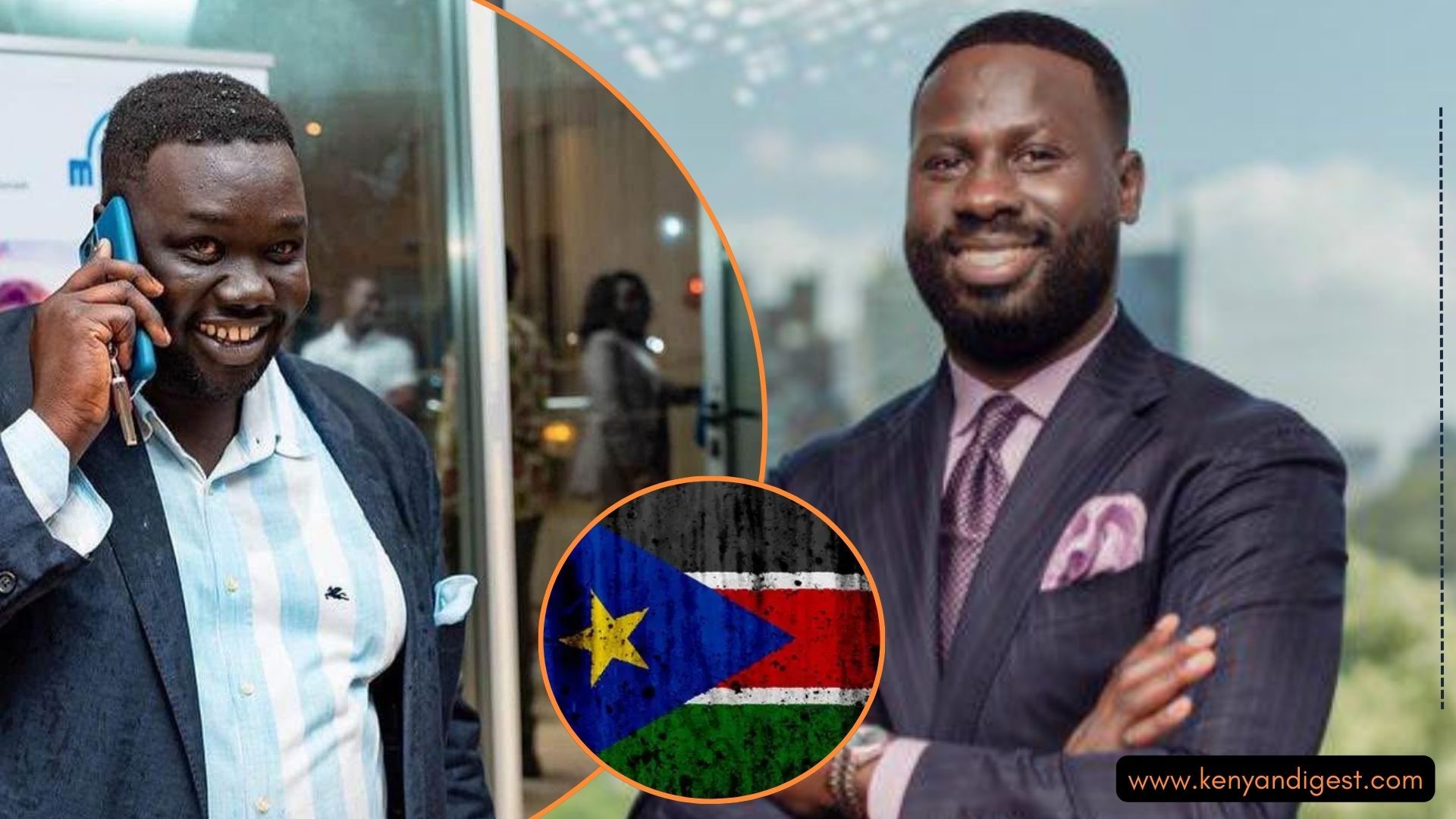
South Sudan’s Oil Looters: How Young Elite Gatekeepers Plunder Nation While Citizens Starve
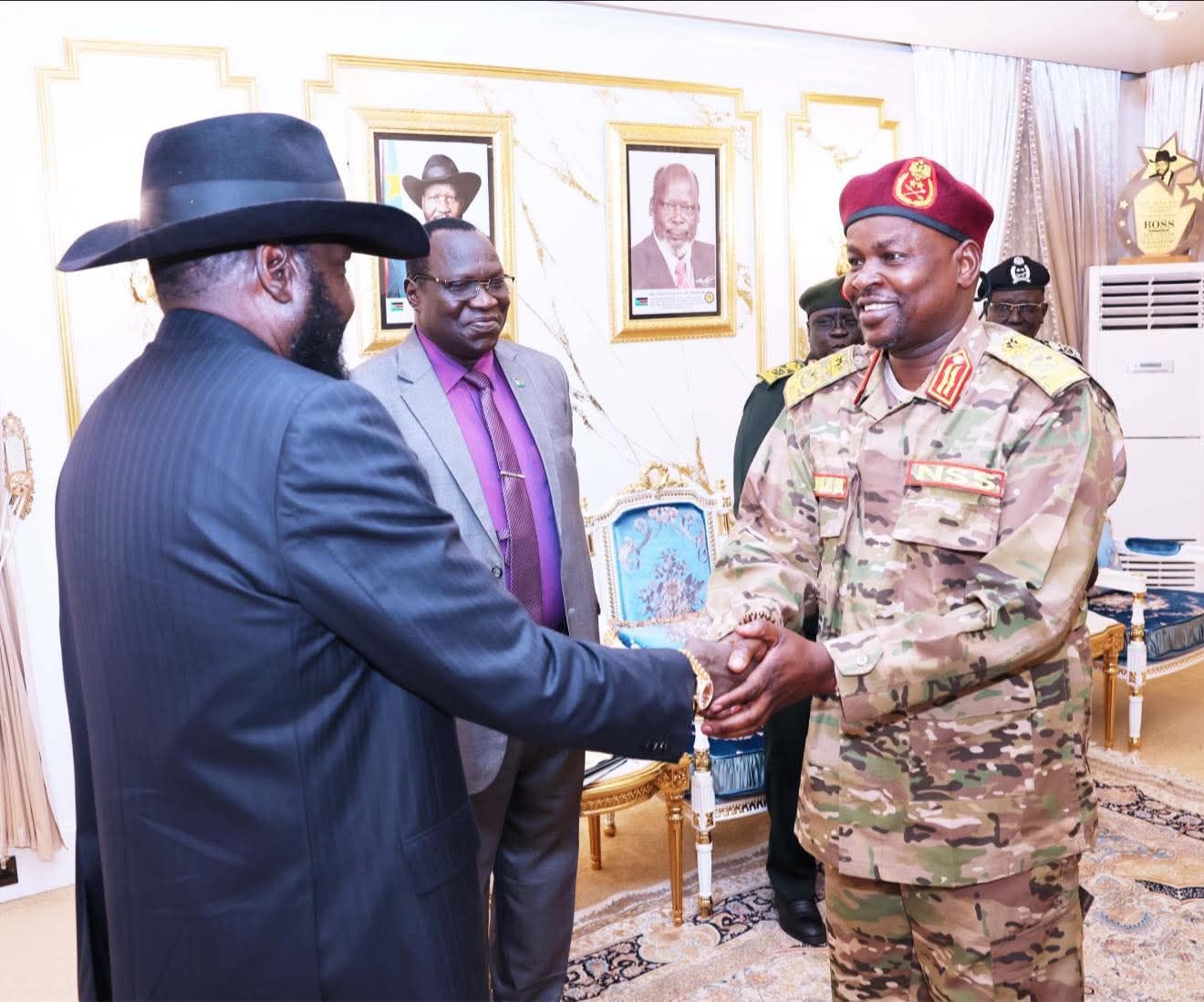
General to Private: Kiir Crushes Economic Vice President in South Sudan's $1.7 Billion Corruption Purge
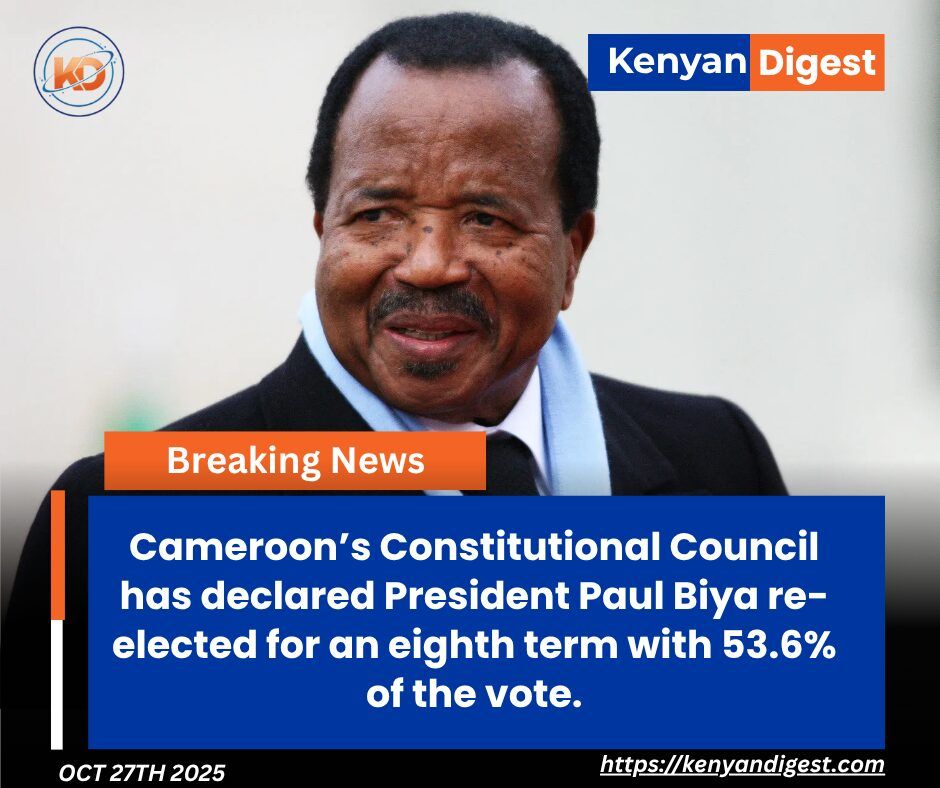
Paul Biya’s Re-Election: What Cameroon’s Political Longevity Reveals About Leadership and Governance in Africa