“As a nonpartisan, nonpolitical federal agency, we blurred references to the President’s name on some posters, so as not to engage in current political controversy,” Miriam Kleiman, a spokeswoman for the National Archives, said in a statement to The Post. “Our mission is to safeguard and provide access to the nation’s most important federal records, and our exhibits are one way in which we connect the American people to those records. Modifying the image was an attempt on our part to keep the focus on the records.”
Can the movement keep its momentum?
The rifts in the organization, as well as an onslaught of political drama from Washington, have led to many doubts about the movement’s relevance. But march organizers cite studies concluding that roughly seven of 10 participants in previous marches have been newcomers, and they say their focus is on quality, not quantity.
“I’m not worried about our numbers tomorrow,” Ms. Sen said. “Whoever shows up is going to be ready to do something — not just Sunday, but Monday, Tuesday and beyond.”
David S. Meyer, a sociologist and scholar of protest movements at the University of California, Irvine, said she might have a point.
“Big demonstrations are great visuals,” he said, “but they really are like exclamation points in a larger story about social movements.” The Rev. Dr. Martin Luther King Jr.’s speech at the civil rights march on Washington in 1963 is a national touchstone, he said, but it was a single highlight in a civil rights struggle that has spanned decades and touched millions of people — and continues today.
So it is, he suggested, with movements like the Women’s March.
“Everybody wants to tell an apocalyptic story where people turn out in the streets and the world changes,” he said. “Unfortunately, the world is more complicated than that. In real life, social change takes a long time.”
Nicholas Bogel-Burroughs contributed reporting.
Related reporting
More World News →
South Sudan’s Oil Looters: How Young Elite Gatekeepers Plunder Nation While Citizens Starve
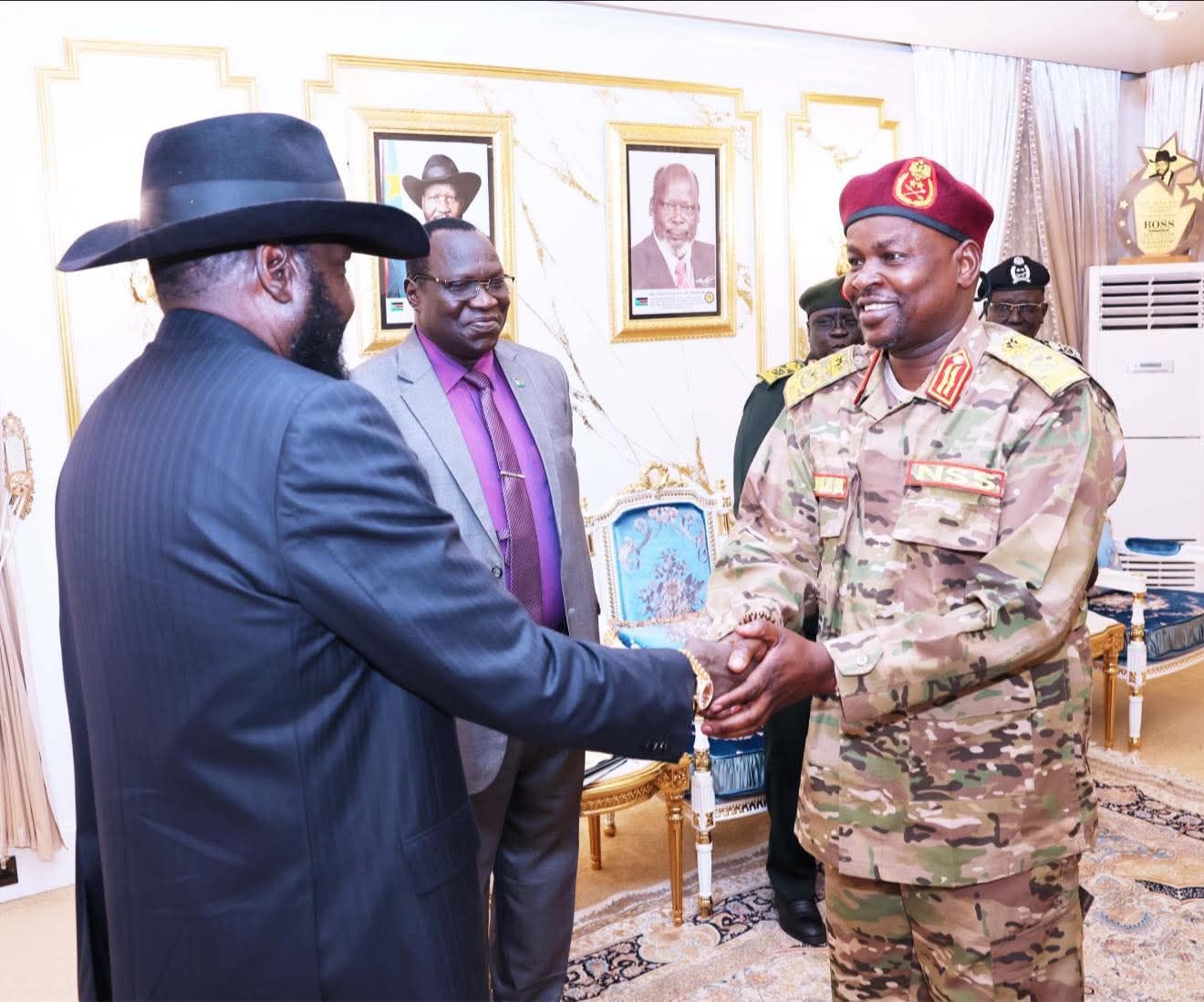
General to Private: Kiir Crushes Economic Vice President in South Sudan's $1.7 Billion Corruption Purge
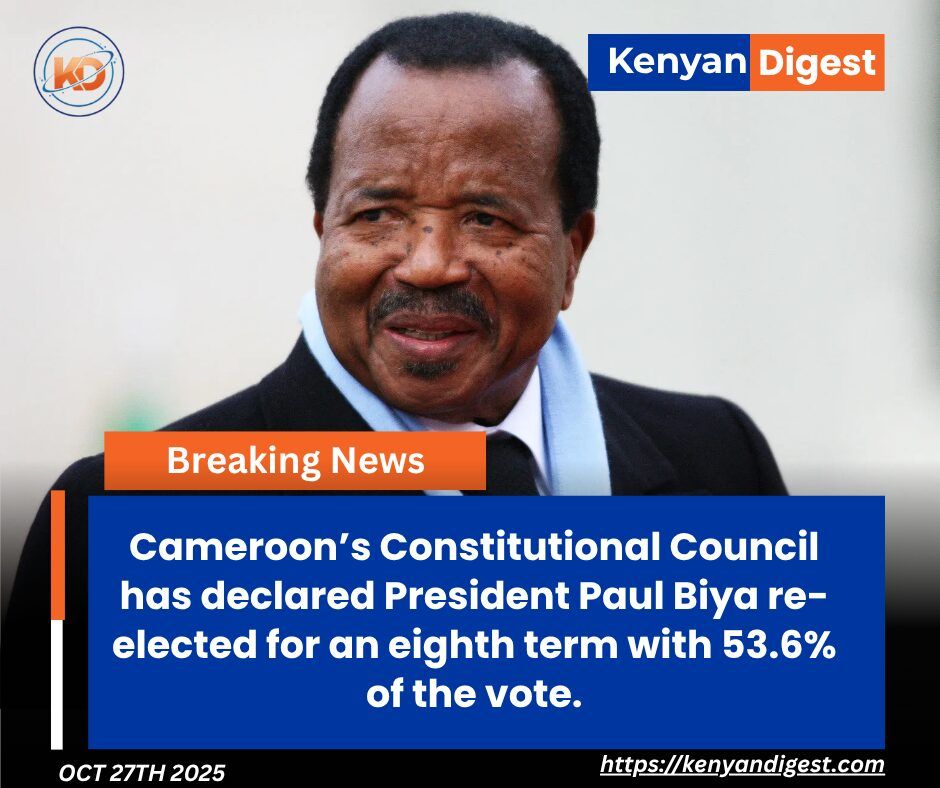
Paul Biya’s Re-Election: What Cameroon’s Political Longevity Reveals About Leadership and Governance in Africa