SEE ALSO :KCSE Candidates arrested as crackdown intensifies
The schools whose results were withheld over suspected cheating are in Machakos, Meru, Nairobi, Turkana, Kericho, Narok, Bungoma, Vihiga, Kisumu, Kisii, Migori, Garissa and Wajir counties among others. Further details of the cheating tricks discovered by examiners emerged days after Education Cabinet Secretary Amina Mohamed released the 2018 results. In some cases, some candidates inserted money in the examination booklets they submitted for marking. The candidates left up to Sh1,000 in the answer booklets. During the release of the examination results on Friday, Knec chairman George Magoha accused parents of abetting examination malpractices. “I want to talk to parents. The things children are doing are because of you,” Prof Magoha said in reference to the money issue.SEE ALSO :Four KCSE candidates disqualified
Sources familiar with the details revealed that about 900 students may have been affected by the decision to withhold the examination results. Candidates in these schools will, however, wait until January 31, when Dr Amina will announce what would have been decided. Amina said the centres would be notified of this decision as soon as the results are released. “I wish to assure the nation, affected candidates and parents that due diligence will be undertaken to ensure that no candidate is unfairly penalised,” she said. Amina said overall, some 100 students had their examinations cancelled.SEE ALSO :15 linked to exam leakage to spend two weeks in prison
Yesterday, it further emerged that some candidates wrote answer requests for certain questions on the open spaces of examination booklets, which they passed on, to teachers or fellow candidates to assist. Most of the candidates who wrote the requests forgot to delete them. The answers to the requested questions were similar across many candidates, signaling collusion. While releasing the examination results, Amina said collusion was one of the cheating practices detected. “We reported cases of early exposure, impersonation, possession of unauthorised materials in some examination centres and collusion,” she said. In some cases, 300 candidates in one centre had same answers to one question.Related Topics
2018 KCSE resultsExam cheatingKNECRelated reporting
More General News →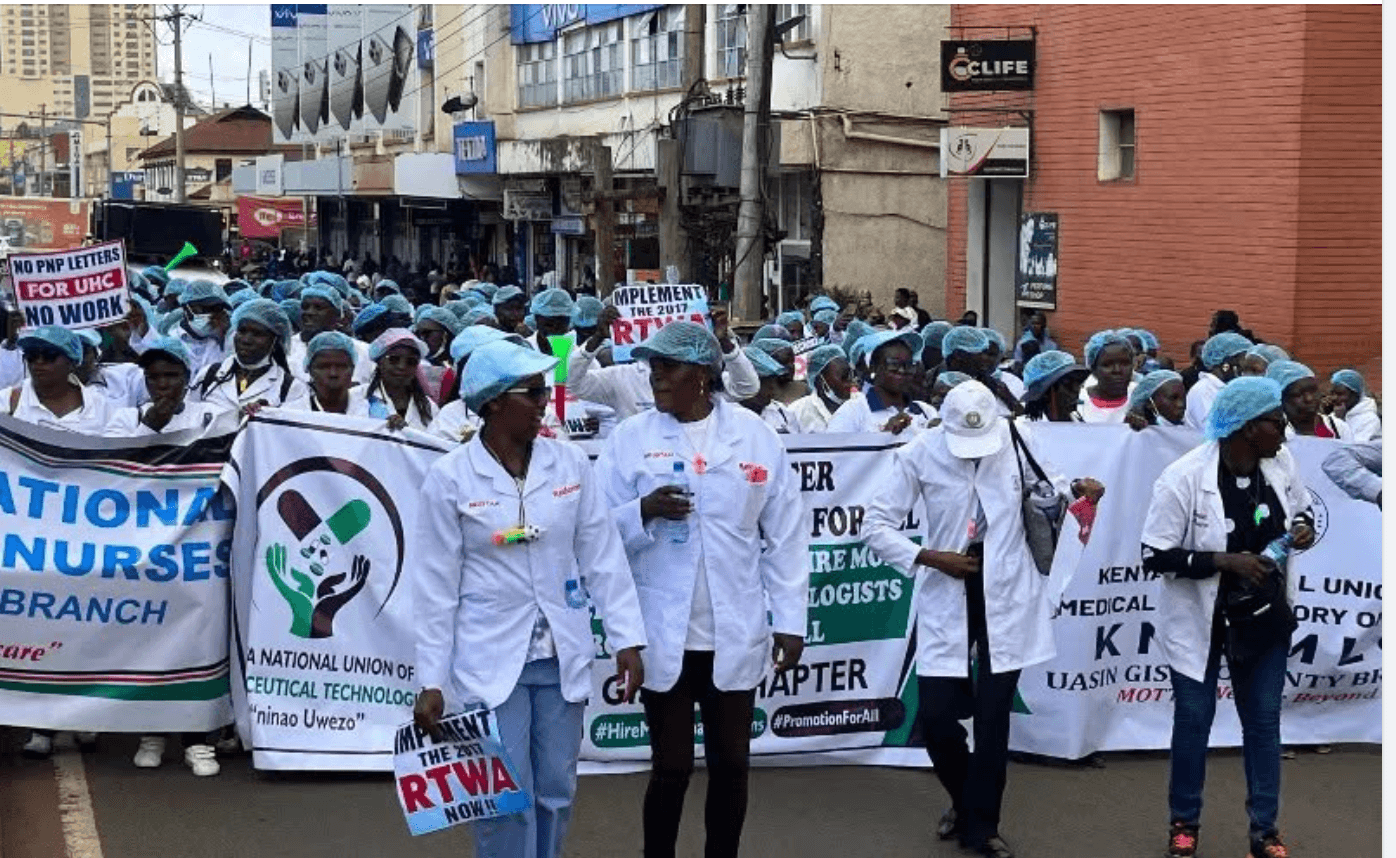
Kenya Nurses' Strike Enters Fourth Week as Talks With Counties Show Progress
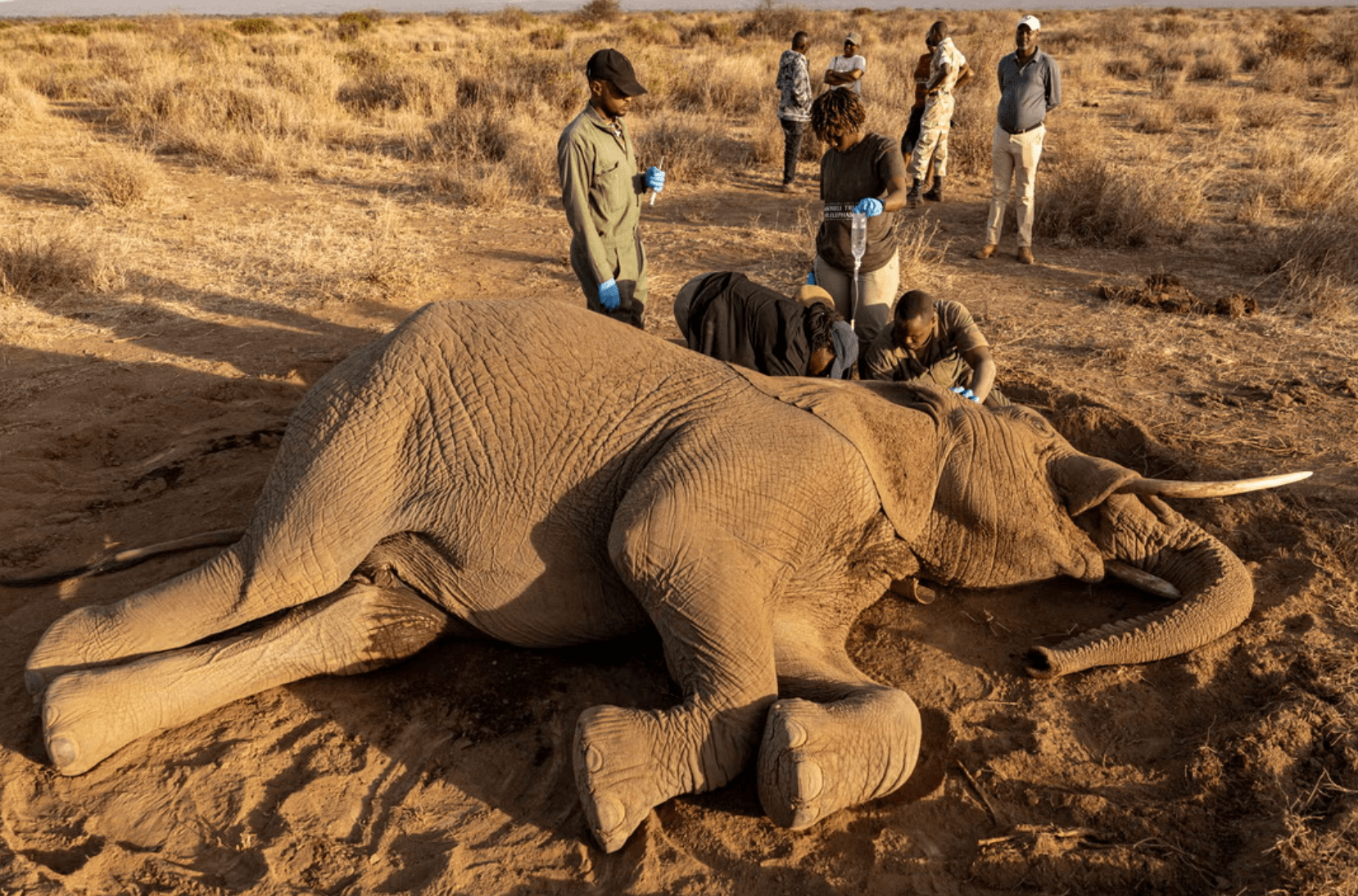
18 Elephants Die in Amboseli as Four Suspects are arrested

Dolly Parton Dies at 80: A Look Back at the Life and Legacy of a Global Icon