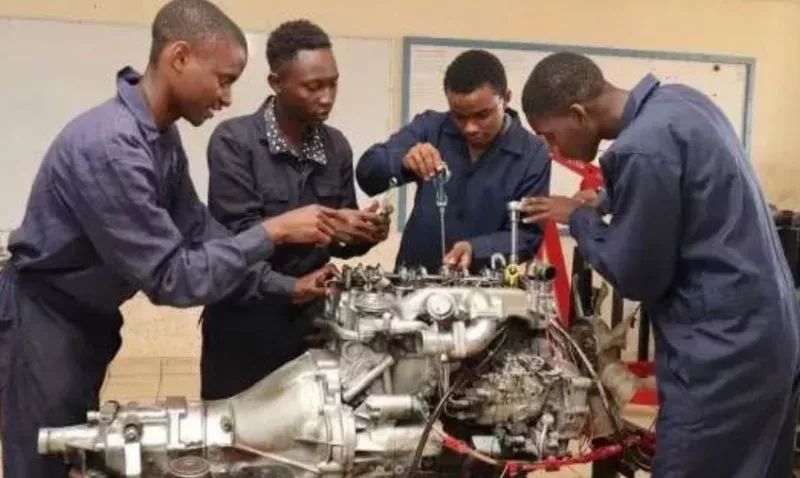
The Kenya National Bureau of Statistics (KNBS) released the 2026 Mapping and Census of Technical and Vocational Education and Training (TVET) institutions, showing that 965,154 trainees were enrolled in 4,679 training centres across the country.
The census counted 1,570 Vocational Training Centres, 1,313 Technical and Vocational Colleges, 1,391 driving schools, 206 Medical Training Colleges, 95 Teacher Training Colleges, 55 University Technical Training Colleges, 34 National Polytechnics with 13 branches and one Technical Trainer College with a branch.
Private providers operated 2,856 facilities (61.1 percent) while public providers ran 1,823 facilities (38.9 percent); however, 530 institutions – 11.3 percent of the total – were found to lack registration or licensing from the relevant authorities.
Nairobi hosted the highest number of institutions at 716, followed by Kiambu with 495 and Nakuru with 274; Lamu recorded the fewest with 13, and Isiolo and Marsabit each had 16.
Female trainees slightly outnumbered males, with 483,704 women and 481,450 men enrolled. Technical and Vocational Colleges accounted for the largest share of learners at 43.6 percent, National Polytechnics 23.7 percent and Vocational Training Centres 14.7 percent.
Diploma-level (Level 6) programmes attracted 40.7 percent of trainees, craft-level (Level 5) courses 25.4 percent, and Government Trade Test programmes 16.1 percent.
County-level enrolment was led by Nairobi with 97,961 trainees, Kakamega with 65,969 and Kiambu with 54,555; Samburu recorded the lowest figure at 1,558 and Marsabit at 1,756.
The census identified 6,079 learners with disabilities, of whom 5,377 were enrolled in public institutions.
The number of trainers rose 8.7 percent to 44,264 between October 2024 and February 2026. Public institutions employed 70.1 percent of trainers, with Technical and Vocational Colleges providing 48.3 percent of the teaching workforce and Vocational Training Centres 21.2 percent.
Trainers holding bachelor's degrees made up 42.6 percent of staff, diploma holders 27.1 percent, and 44.2 percent were aged between 18 and 34. Only 39.1 percent of trainers were accredited by the Technical and Vocational Education and Training Authority (TVETA).
Infrastructure data showed electricity access in 97.3 percent of institutions, though 82 Vocational Training Centres – 80 of them public – lacked power. Internet connectivity was reported in 2,400 of the 3,288 institutions surveyed, with private centres at 90 percent and public centres at 57.8 percent. E-library services were available in 25.9 percent of institutions.
Half of the institutions (1,651) reported no recognised assistive or accessibility features for persons with disabilities. Industry collaboration was noted by 49.1 percent of centres; Medical Training Colleges led with 80.1 percent participation while Vocational Training Centres recorded the lowest at 37.4 percent.
Research and innovation funding was present in only 505 institutions (15.4 percent), with Vocational Training Colleges allocating the smallest share at 4.5 percent. Income-generating activities were undertaken by 1,049 institutions (31.9 percent). Patents or copyrights were held by 242 institutions, and 26.3 percent of the 1,397 recorded intellectual property rights had been commercialised.
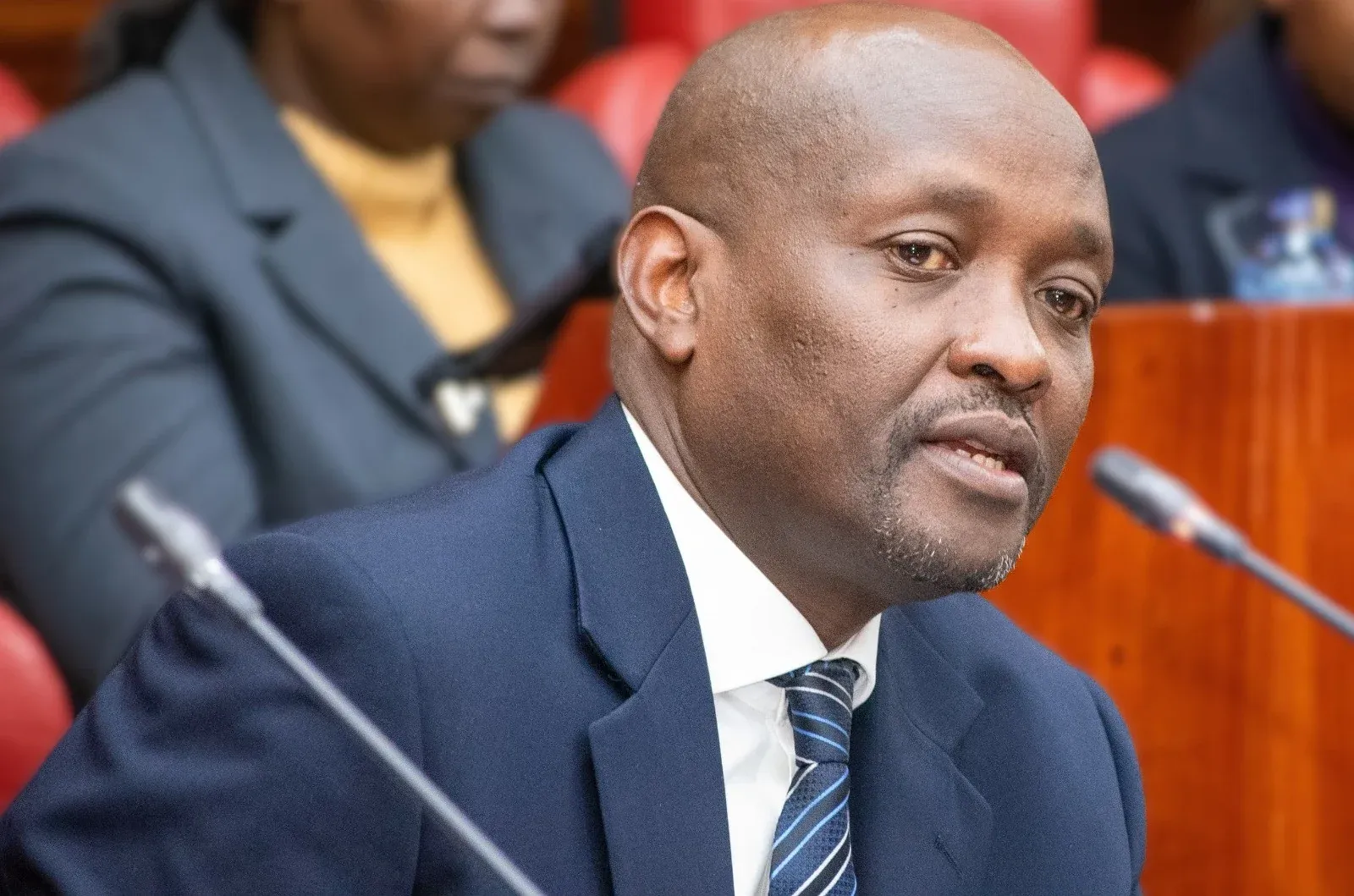
Principal Secretary for Economic Planning Bonface Makokha, speaking at the launch, urged county governments to integrate the findings into their County Integrated Development Plans and to tailor education interventions to regional needs.
The Ministry of Education plans for the 2026/27 fiscal year to open 52 new technical and vocational colleges, finish 175 ongoing construction projects, equip 72 existing institutions, provide capitation grants for 87,431 trainees, award scholarships to 532,499 trainees and develop or revise 225 competency-based curricula.
The census was funded with World Bank support through the Eastern Africa Regional Statistics Programme for Results and was carried out between March and June 2026 by KNBS in partnership with the ministries of Education, Health and Roads and Transport, covering all 47 counties.
Related reporting
More General News →
High Court Orders Preservation of eCitizen Records Over KSh9.4 Billion

Mombasa Court Convicts Paul Mackenzie of Manslaughter for 123 Deaths

High Court Rejects Bid to Stop Maseno University VC Appointment; Employment Court Issues Freeze