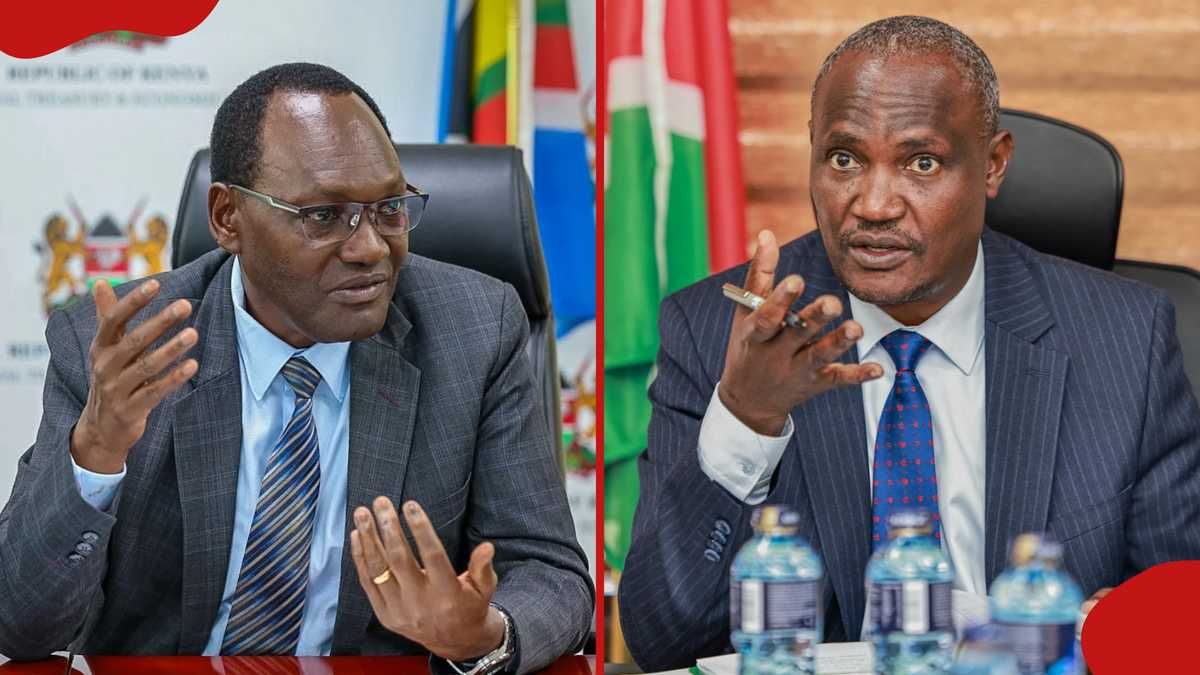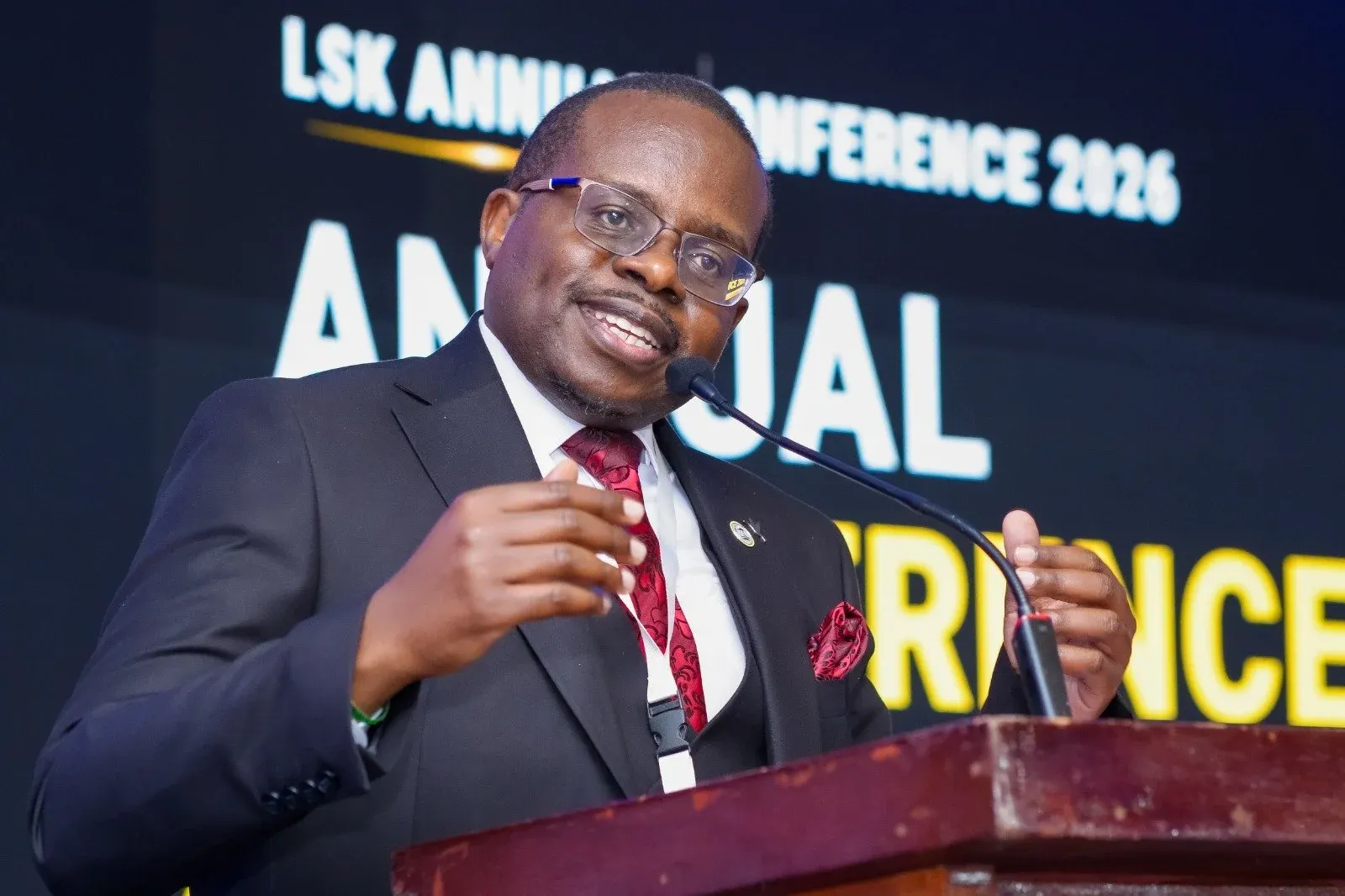
On Friday, November 6, 2026, Law Society of Kenya (LSK) President Charles Kanjama posted on X a demand that the Judiciary issue stronger and prompt orders to curb abductions, enforced disappearances and alleged human rights violations, and that senior State officials be held to account for any command responsibility.
Kanjama urged that every State and public officer, irrespective of rank, be subject to the rule of law and the Constitution, warning that “no more sluggishness in fighting flagrant criminality within the state” and invoking the principle “let justice be done, though the heavens fall.”
In a statement issued the same day, Judiciary spokesperson Paul Ndemo clarified that the courts are an independent and impartial arbiter of disputes, not an investigative, prosecutorial or law-enforcement agency, and that their duty is to determine disputes, protect constitutional rights and hold individuals and institutions accountable based on law and evidence.
Ndemo highlighted habeas corpus proceedings as a legal mechanism for families seeking information about detained or missing persons, noting that court orders arising from such proceedings are binding on all individuals and institutions, including State and security agencies, and that compliance rests with the officers and bodies to whom the orders are directed.
The exchange follows renewed concern over the disappearance of Nairobi advocate Abshir Ahmedsadak Abdi, who was reportedly abducted on November 1; LSK joined the habeas corpus proceedings seeking his production and Kanjama led a march of lawyers from Milimani Law Courts to police headquarters demanding answers to the lawyer’s whereabouts.
The Judiciary also responded to a front-page story in The Standard titled “Big Talk, Small Act,” rejecting the newspaper’s implication that the courts were responsible for failures by police, investigators and prosecutors, and urging the media to exercise diligence in distinguishing the responsibilities of courts from those of investigative and enforcement agencies.
Related reporting
More General News →
Moi University Leads National Gender Mainstreaming Rankings With 96.4% Score
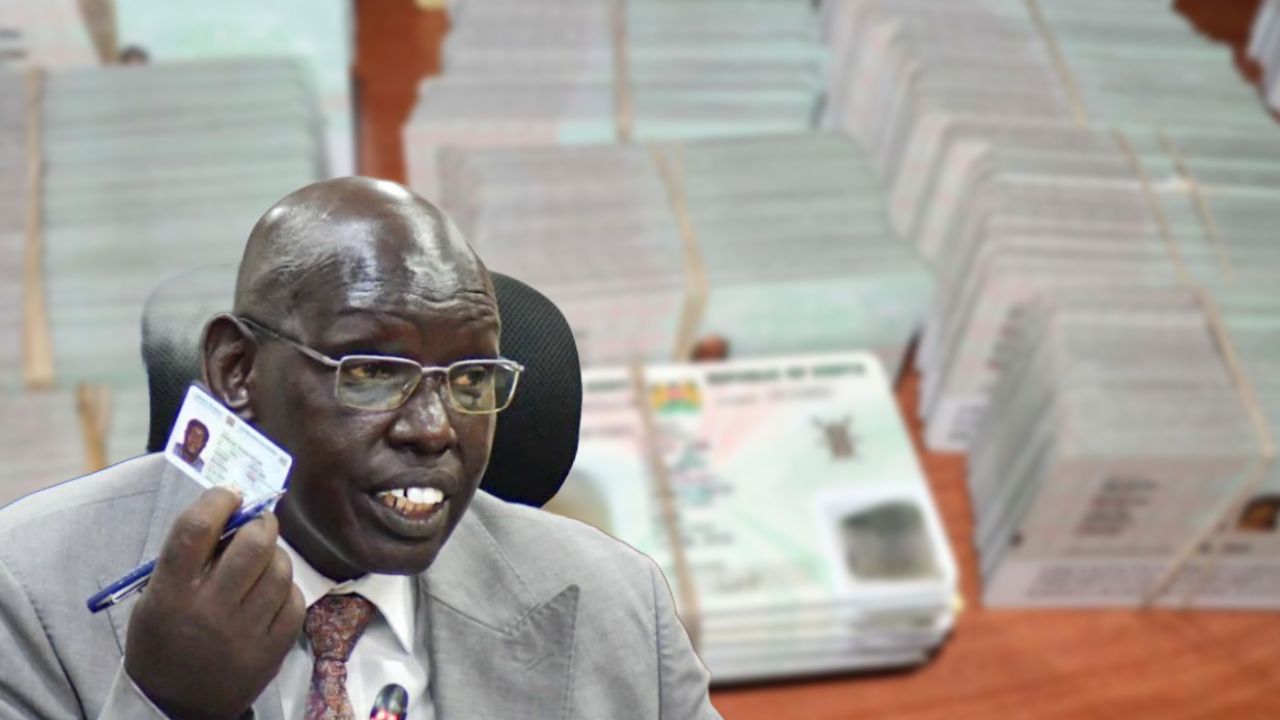
PS Belio Kipsang Enlists Chiefs to Trace 557,930 Uncollected IDs Ahead of 2027 Election

Education Ministry Responds to KCSE Impersonation Arrests in Embu and Nakuru