Kenya is targeting an exit from the Financial Action Task Force grey list in April 2027 after completing most of the reforms required to strengthen its anti-money-laundering and counter-terrorism financing framework.
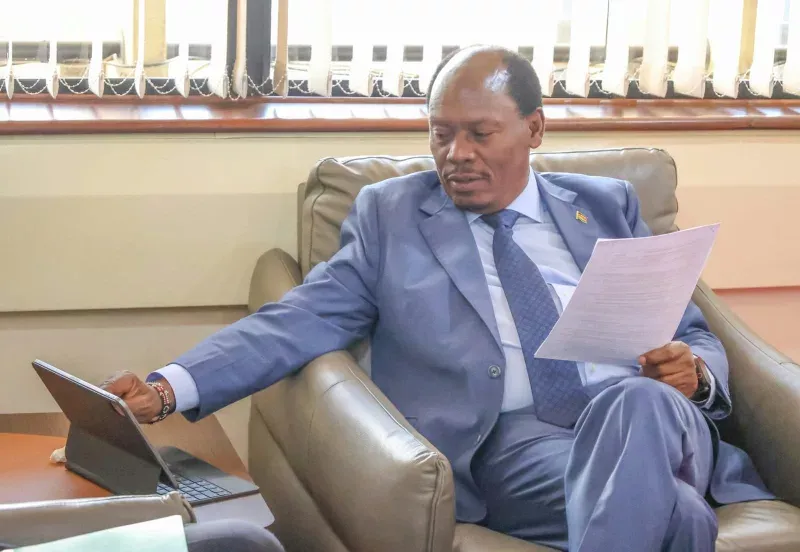
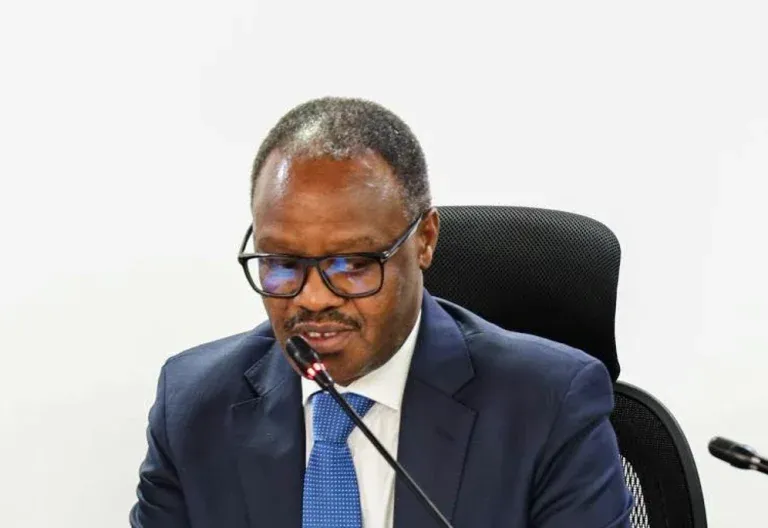
The Financial Reporting Centre reported that 19 of the 21 action items set by the FATF have been addressed, with six of those completed in the last two and a half months, leaving two items still outstanding, according to Director-General Naphtaly Kipchirchir Rono’s testimony to the National Assembly Committee on Delegated Legislation on Tuesday, October 13, 2026.
Rono said the country was “in a fairly good place” and added, “We are optimistic that with the momentum and with the support from yourselves and the other stakeholders, we should be able to exit the grey list by April next year.”
The committee, chaired by Ainabkoi MP Samuel Chepkonga, was reviewing the Prevention of Terrorism (Implementation of the United Nations Security Council Resolutions on the Suppression of Terrorism) Regulations, 2026, when Kilgoris MP Julius Sunkuli questioned whether exemptions for frozen assets could create security loopholes.
FRC officials explained that the exemptions are limited to essential needs and are derived from United Nations Security Council resolutions, with Rono stating, “The exemptions are for medical reasons, basic expenses, and on humanitarian grounds.”
James Manyonge, Director of External Relations at the FRC, clarified that any request to release frozen funds must be submitted to the committee and substantiated, noting, “When one wants to access funds, one has to make an application to the committee and prove the circumstances. It’s not automatic.”
The officials also informed MPs that recent legislative changes have raised the cash-withdrawal threshold to US$15,000, roughly KSh1.8 million, but consistent application across commercial banks will require further guidance from the Central Bank of Kenya.
The FRC leadership announced that complementary regulations on proliferation financing will be presented to Parliament in the coming week to bolster controls over funding for weapons of mass destruction.
Members of the committee called for joint technical workshops and benchmarking exercises involving Parliament and regulatory agencies to enhance cooperation in implementing the remaining reforms.
Related reporting
More General News →
Supreme Court to Hear Challenge to KSh10 Million Judges’ Car Allowance

Court of Appeal Rejects Government Bid to Suspend Safaricom Share Sale Ruling
Court of Appeal Lifts Block on KSh328 Billion Kenya-US Health Deal