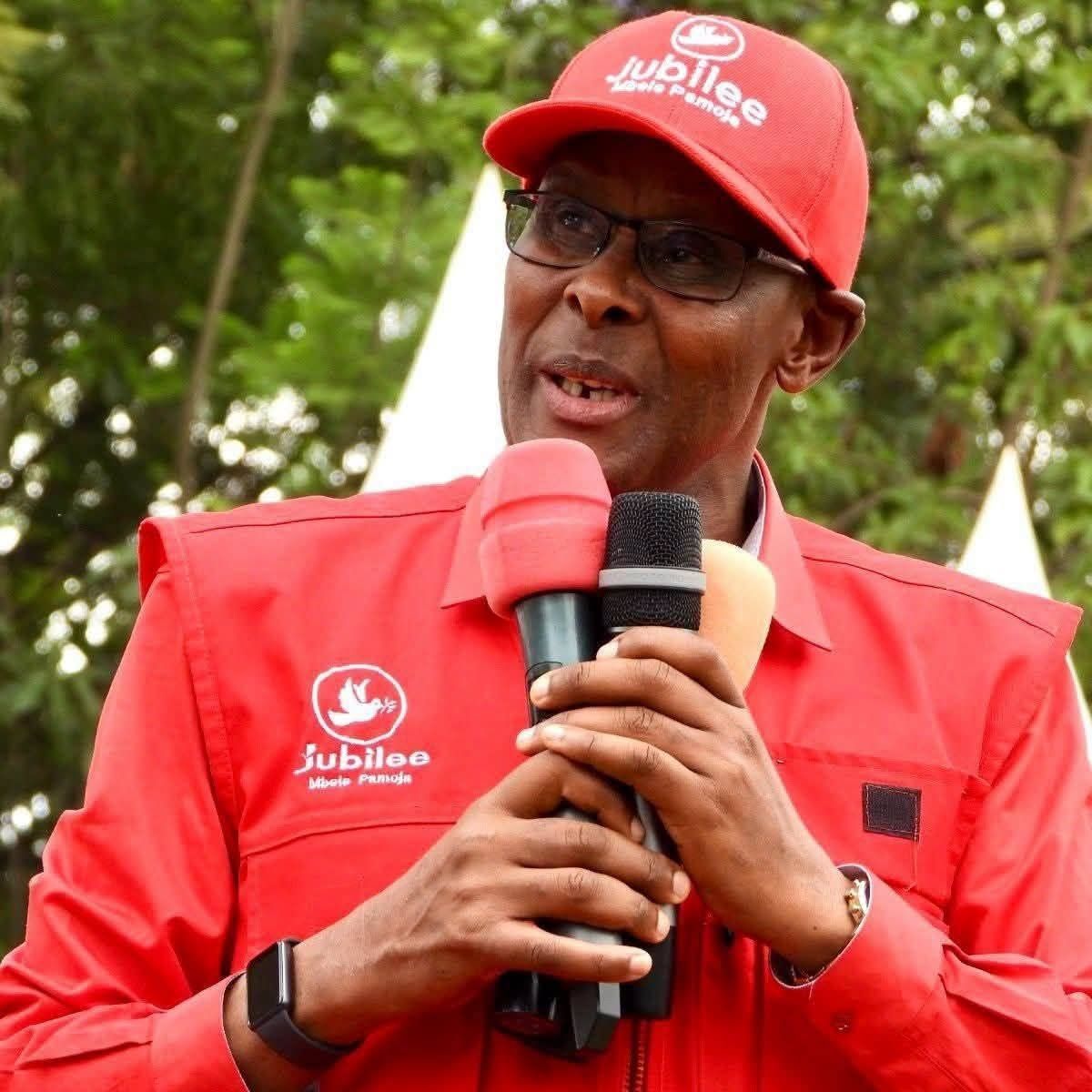
Nairobi Governor Sakaja Johnson’s legislative work as Nairobi Senator between 2017 and 2022 included seven bills that addressed devolution, public-service welfare, disaster management, entrepreneurship, procurement and employment.
The County Governments Retirement Scheme Bill, 2018, which he sponsored, aimed to create a mandatory pension scheme for county employees across all 47 counties, establishing a Board of Trustees and safeguards for retirement savings.
In the same year he co-sponsored the Determination of the Nature of Bills (Procedure) Bill, 2018, with Senator Mutula Kilonzo Jr., to set a clear framework for identifying legislation that affects county governments and to protect the Senate’s constitutional role in devolution.
Also in 2018 he co-sponsored the Disaster Risk Management Bill, 2018, with Senator Mutula Kilonzo Jr., seeking a coordinated national approach to floods, droughts, landslides and other emergencies; a later version in 2021 contributed to the National Disaster Risk Management Act, 2026, signed on May 29, 2026.
In 2021 he sponsored the Startup Bill, intended to create registration frameworks, incubation programmes and investment incentives to support innovators and address barriers faced by young entrepreneurs; the bill progressed to the Startup Bill, 2022.
That year he co-sponsored the Prompt Payment Bill, 2021, with nominated Senator Farhiya Haji, to require timely payment by government entities for goods, works and services, aiming to ease cash-flow pressures on small and medium-sized enterprises.
He also championed amendments to the Public Procurement and Disposal Act to reserve 30 percent of procurement opportunities for youth, women and persons with disabilities, expanding economic empowerment through public contracts.
His final major Senate initiative was the National Employment Authority Bill, which sought to establish an authority to coordinate employment services, improve job matching and address youth unemployment.
Collectively these seven initiatives reflect Sakaja’s focus on devolution, public-service welfare, disaster preparedness, entrepreneurship and labour-market reform, issues that continue to influence his administration of Nairobi.
Related reporting
More Politics →
AU Chairperson Mahmoud Ali Youssouf Congratulates Judge Phoebe Okowa on ICJ Re-Election
Meru Senator Kathuri Murungi Declares 2027 Gubernatorial Bid, Challenges Governor Mutuma
Martha Karua Calls for Immediate Release of Tanzanian Opposition Leader Tundu Lissu