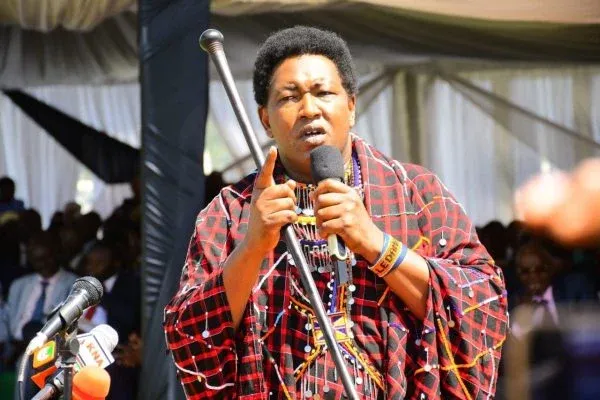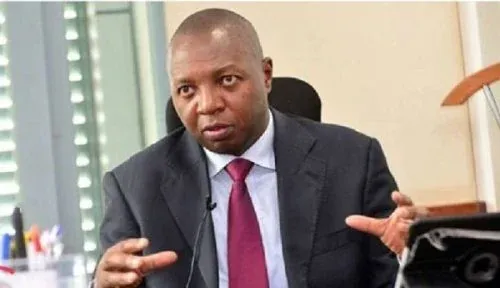
On Saturday, November 7, 2026, Nyaribari Masaba Member of Parliament Dan Manduku told listeners of a local podcast that a person born in Kiambu is likely to survive a decade longer than a counterpart born in Nyanza, citing data from the Kenya National Bureau of Statistics.
Manduku linked the gap to long-standing marginalisation and an uneven spread of national resources, pointing to differences in road networks, electricity access, credit availability and broader economic opportunities across the two regions.
He highlighted that MPs from Central Kenya can travel from Parliament to their rural homes on paved roads, whereas their Nyanza colleagues often have to switch to boda-boda motorcycles because of poor road conditions. He said, “A person born in Kiambu will leave 10 years later than the one born in Siaya; these are statistics from KNBS.”
The lawmaker also noted that electricity coverage in Nyanza averages below 20 percent, while more than 80 percent of households in Central Kenya enjoy connection to the grid.
Manduku traced the disparity to colonial-era policies, referencing the 1923 Devonshire White Paper that he said favoured agricultural development in Central Kenya and limited similar prospects in Nyanza. He added that after independence, unequal access to land titles continued to hinder credit access for many regions, citing Kilifi as an area where residents only recently received title deeds.
He criticised the administrations of former Presidents Daniel arap Moi, Mwai Kibaki and Uhuru Kenyatta for not addressing the imbalance, accusing the Kibaki government of concentrating economic benefits around a Central Kenya elite and the Jubilee government of worsening the situation through borrowing that added to public debt.
Manduku praised President William Ruto’s government for attempting to correct historic inequities, stating that ongoing public infrastructure projects in the Kisii area are valued at over KSh60 billion, with KSh3.5 billion earmarked for his own constituency.
He concluded that narrowing regional gaps through infrastructure investment and improved access to economic opportunities is essential for raising living standards nationwide.
Related reporting
More Politics →
Prime Cabinet Secretary Mudavadi Warns Western Kenya of ODM’s Growing Influence in Government

Nairobi Governor Sakaja Johnson’s Senate Record Highlights Seven Key Bills
President Ruto’s Daughter’s Wedding Shows MP Oscar Sudi Close to the President