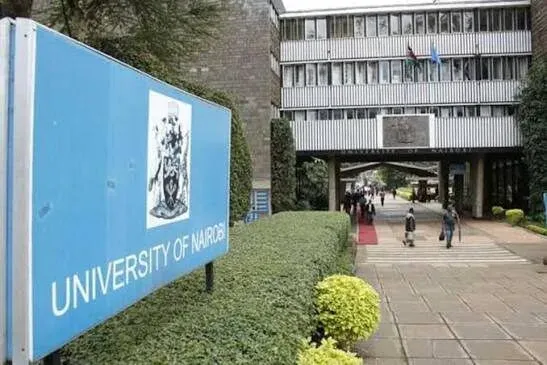
The National Assembly Public Investments Committee on Governance and Education has given the University of Nairobi fourteen days to provide documentary evidence on unpaid pension contributions and tax arrears that now exceed KSh10 billion.
Committee chairperson Luanda MP Dick Maungu directed Vice-Chancellor Prof. Eng. Ayub Njoroge Gitau and his senior team to submit supporting records after reviewing Auditor-General reports covering the 2020/2021 to 2024/2025 financial years.
Maungu warned that verbal assurances were insufficient, stating “There’s nothing to support the good stories” and insisting on verifiable payment schedules, correspondence with the Retirement Benefits Authority and the Kenya Revenue Authority, and proof of any agreements with statutory agencies.
Audits revealed the university failed to remit approximately KSh1.4 billion in pension contributions and KSh50 million in PAYE taxes for the 2021/2022 year, prompting MPs to question why deductions from staff salaries had not been forwarded.
Lungalunga MP Chiforomodo Mangale asked how liabilities could have accumulated to up to KSh5 billion, urging the committee to get to the root of the issue rather than accept unsupported explanations.
Kasipul MP Boyd Were raised concerns over unpaid PAYE, warning that penalties and interest could further increase the tax bill, while Central Imenti MP Moses Kirima called for a comprehensive examination of the university’s financial controls, citing similar concerns raised about Moi University.
Prof. Gitau told the committee that the pension deficit had risen from roughly KSh5 billion to more than KSh10 billion and that the university had begun paying retiring staff and resumed pension remittances in recent months.
He said the institution was working with pension scheme trustees on a recovery plan and was considering commercialising land and other assets to raise additional funds.
Gitau also disclosed that the government still owed the university slightly more than KSh3 billion in funding and Higher Education Loans Board payments, a balance that had fallen from nearly KSh5 billion but continued to strain finances.
Deputy Vice-Chancellor for Finance, Planning and Development Prof. Josiah Omollo Aduda confirmed a remedial payment plan had been submitted to the Retirement Benefits Authority and that discussions with the Kenya Revenue Authority over unpaid taxes were ongoing.
Acting Director of Finance Stephen Kimeli attributed the financial pressures to collective-bargaining costs, declining student numbers, changes in funding arrangements and the impact of the Covid-19 pandemic, noting that the university had introduced cost-saving measures targeting personnel, post-retirement contracts and staff meals.
Kimeli added that a property valuation had been undertaken and proposals to commercialise assets forwarded to the university council, while a staff strike was also cited as a factor affecting day-to-day revenue.
The committee will compare the submitted documents with the Auditor-General’s findings before assessing the effectiveness of the proposed recovery measures.
Related reporting
More Politics →
Deputy President Kindiki Urges Opposition to Offer Agenda, Launches Juja Road Project
Wiper Party Defends Kalonzo Over 2018 Photo With Deputy President Ruto

ODM and UDA Brief Secretary-General on Joint Manifesto Ahead of 2027 Election