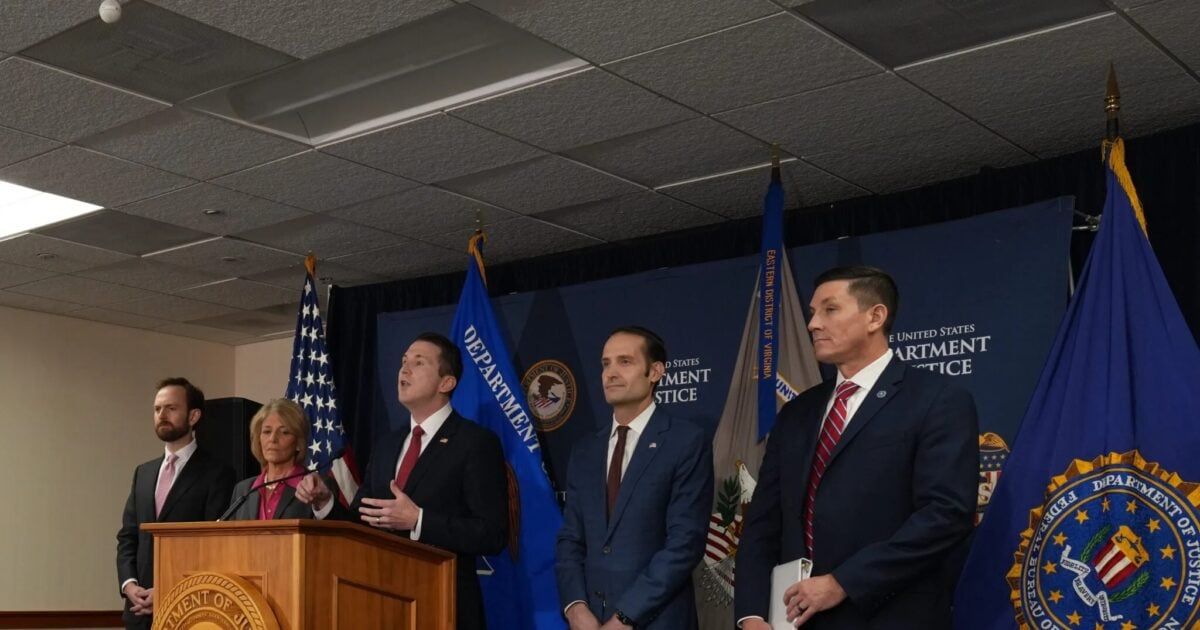
The US Department of Justice announced on Thursday, October 29, 2026 that it had seized about KSh97 million in cryptocurrency tied to a network of Kenyan nationals as part of Operation Ghostbusters.
The seizure was made alongside indictments of five defendants in Nebraska, Virginia and New Jersey, with the department saying it would pursue suspects wherever they operate, according to Assistant Attorney General Colin McDonald.
Prosecutors allege the scheme created fraudulent FAFSA applications using stolen American personal data to enrol fictitious students, obtain federal loans and grants, and divert the resulting refunds to bank accounts and cryptocurrency wallets controlled by conspirators, including Kenyan nationals and US-based money mules.
The Justice Department said investigators have identified more than $32 million in losses from similar ghost-student schemes and estimate the wider fraud could exceed $200 million; they also flagged 830,840 potentially fraudulent Federal Student Aid IDs linked to about KSh16.8 billion and nearly $130 million, recommending the US Department of Education disable those accounts in September and October 2026.
In Nebraska, Kenyan citizen Francis Mogambi was indicted on October 19 on five counts each of theft of government money and aggravated identity theft, alleged to have used stolen identities between November 2025 and May 2026, retain 30 percent of the proceeds, send the remainder to associates in Kenya, receive KSh258,000 weekly and attempt to recruit another person; he was arrested and detained pending trial.
In Virginia, a Kenyan national was indicted on October 21 for receiving approximately $1.44 million (about KSh186 million) through more than 700 fraudulent student-aid refund deposits and moving at least $1.3 million (about KSh168 million) to accounts in the United States and Kenya.
In New Jersey, three defendants were arrested after allegedly conspiring with individuals in Kenya to obtain more than $1 million (about KSh129 million) in federal student aid; they are said to have kept a share and transferred the balance to Kenyan co-conspirators linked to a purported safari company, and US prosecutors intend to charge two Kenyan associates.
The cryptocurrency seizure followed a September visit by US DOJ National Fraud Enforcement Division officials to Kenya to discuss extradition, prosecutions and asset recovery; Kenyan agencies – the Directorate of Criminal Investigations, the Asset Recovery Agency and the Office of the Director of Public Prosecutions – provided assistance and intelligence.
The FBI’s Richmond field office launched the probe after a referral from the US Department of Education’s Office of Inspector General; more than 40 cases are now open across 26 FBI field offices and over 20 US attorney offices.
The Justice Department cautioned that the indictments and criminal complaints are allegations and that all defendants are presumed innocent until proven guilty.
Related reporting
More General News →
JKIA Law Courts Fine Somali National KSh370,000 for Illegal Stay and Passport Fraud

DPP Requests Extradition of Brian Kiprop Kiplagat to UK Over Murder Charges

High Court Rejects TSC Bid to Enforce Social Media Rules for Teachers