
Entertainment
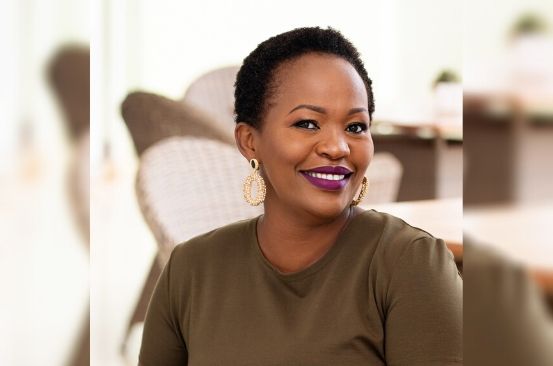
Benda Kithaka, working to stop cervical cancer through early detection

[ad_1]
Audrey Masitsa

1. How did you get into working to stop cervical cancer?
ALSO READ:
Hon. Gladys Wanga becomes first woman to chair powerful parliamentary committee
In 2010 my little sister was told she had cancer. It was pre-cancer of the cervix. It got me wondering how many others needed to know this. We started the NGO Women4Cancer and started going to communities to sensitise them. In 2018, It was only natural that we continue with others in the same space so we started STOP Cervical Cancer Initiative
2. What is the main focus of your organisation?
In 2019, I lost a dear friend when her cancer recurred. I realised the need to focus on survivors and build a strong approach to survivorship in Africa. So right now I’m working with survivors in #KILELE Challenge to climb Mt Kenya as part of my advocacy mission.
3. Tell us more about the #KILELE Challenge.
At #KILELE, we envision a future where women thrive in a more inclusive, just and equitable world; where cancer is yet another challenge that can be overcome, and survivors use their experiences to drive change in health promotion, as they navigate others to reach optimal health.
The #KILELE Challenge brings together a group of cancer survivors and caregivers who will climb to the summit of Mt Kenya. The aim of this challenge is to help the survivors overcome self-limiting beliefs and social stigma; financial hardship and emotional barriers; all to ensure that they can summit. We see the #KILELE Challenge as a journey in self-discovery.
4. What challenges do survivors face as regards social integration?
ALSO READ:
Hon Gladys Wanga first woman to chair the Finance, Planning Committee in National Assembly
Life for cancer patients changes drastically upon diagnosis. During treatment, many cancer patients feel like their life is on hold. And after treatment, some face challenges getting back into normal life. They feel like they can’t or don’t want to go back to the way life was.
Through the #KILELE Challenge we are helping survivors address the four parameters commonly used to define quality of life in cancer survivorship: physical fitness, mental wellbeing, finding purpose, and economic empowerment.
5. In your work, what stigma have you come across among patients and the community at large?
Women are particularly vulnerable to stigma as they face challenges associated with the disease itself as well as societal and cultural barriers. These include:
-
Effects of treatment both physical and emotional.
-
Social cultural stigma from the community where women face abandonment
-
Some begin to question their spiritual beliefs as they try to find a reason for all the suffering
ALSO READ:
Living beyond the horror of an accident
-
Financial challenges since treatment can put a strain on the family’s finances leaving them impoverished
6. What challenges have you faced in educating the community particularly in the rural areas about pre-testing and treatment?
Cancer takes years to develop in the body. Often with no signs or symptoms. It’s hard to convince people to go get screened when they are still looking and feeling fine. Fear of cancer is real. Especially because many people are diagnosed late and the outcomes are not good. We are working through #KILELE Challenge to sensitise others that prevention is better than cure.
By Benda Kithaka as told to Audrey Masitsa. Benda is the co-founder and chair of Women4Cancer Early Detection and Treatment
[ad_2]
Source link
Comments


Xiaomi Unveils REDMI Note 15 Series: REDMI Titan Durability Meets Advanced Imaging

SportyBet’s 1UP Early Win Is a Game-Changer for Kenyan Punters in 2026

Evidence-Based Study Strategies for Academic Success in Higher Education

Securing Scholarships for International Study: A Comprehensive Guide for Students

Paul Ndung’u Bankruptcy Exposes a Stunning Fall After SportPesa Court Defeat

Arsenal vs Manchester United Prediction: Betting Tips, Odds, and Match Preview

EXPOSED: Court Filings Show How Cs Mbadi, Watanga and Nyawanda Approved Sh5.5 Billion Illegal Rice Imports

The 2027 Expiry Date: Why Moses Omondi’s Term Will Be Short

The Two Faces of Opiyo Wandayi: The ‘Watcher’ Who Now Uses Luo Votes While Kenyans Pay the Price
