
General News
Exposing the Scandals of James Orengo in Siaya and Lands Ministry.

James Orengo, long celebrated as a hero of Kenya’s Second Liberation and a top lawyer, now faces mounting scrutiny over his time in executive power.
His tenure as governor of Siaya County and previously as minister for lands has been marked by controversies that raise serious questions about governance, transparency, and accountability.
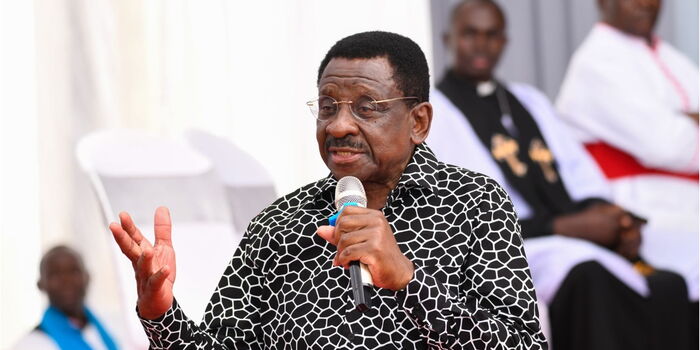
James Orengo is under fire over financial mismanagement in Siaya County and controversial decisions during his time as Lands Minister.
Financial Mismanagement in Siaya County
Orengo’s administration in Siaya has faced sharp criticism over the handling of public funds.
Reports emerged early in his tenure of massive payments to junior county staff, raising concerns about corruption and misuse of county resources.
The Ethics and Anti-Corruption Commission has investigated procurement irregularities and ghost projects in the county, while Controller of Budget reports highlight high spending on travel, hospitality, and fuel at the expense of essential development projects in wards across Siaya.
Controversial Legacy at the Lands Ministry
Before becoming governor, Orengo served as minister for lands between 2008 and 2013, and this period remains controversial.
Thousands of acres of land in Lamu were allegedly irregularly allocated to private companies, sparking public outrage.
Critics also accuse Orengo of allowing land cartels at Ardhi House to thrive, raising doubts about his commitment to transparency.
Political Double Standards and the Deputy Saga
Critics argue that Orengo has shifted from a vocal activist to a politician accused of ignoring corruption within his own party and county government.
While he preaches unity, it is widely reported that he has sidelined his deputy, sending him away from key county operations.
This move has left many wondering about the internal dynamics of his leadership and the lack of recognition for his deputy’s role.
Meanwhile, Siaya residents continue to face stalled development, poor infrastructure, and shortages in hospitals, fueling criticism that Orengo focuses more on national politics than on his home county.
Conclusion
James Orengo’s career highlights a stark contrast between his activist past and his controversial executive leadership.
From financial mismanagement in Siaya to land scandals at the ministry and now the sidelining of his deputy, questions about accountability, transparency, and true leadership continue to follow him.
Citizens and political watchdogs demand answers as vital services and public resources remain at risk.
Read More: Son of Siaya or Son of Busia? David Ochieng’s Politics of Convenience Exposed
Comments


How Ben Gethi Orchestrated the Ksh 6.2 Billion NYS Scandal the EACC Can No Longer Ignore

SportPesa Aviator Exposed: Why SportPesa Aviator Games Have Become a Public Danger That Kenya Can No Longer Ignore

SportyBet Kenya Bonus for January 2026 – Uncover Unique Offers!

The 2027 Expiry Date: Why Moses Omondi’s Term Will Be Short

The Two Faces of Opiyo Wandayi: The ‘Watcher’ Who Now Uses Luo Votes While Kenyans Pay the Price

EXPOSED: Court Filings Show How Cs Mbadi, Watanga and Nyawanda Approved Sh5.5 Billion Illegal Rice Imports

Arsenal vs Manchester United Prediction: Betting Tips, Odds, and Match Preview

SportyBet’s 1UP Early Win Is a Game-Changer for Kenyan Punters in 2026

Paul Ndung’u Bankruptcy Exposes a Stunning Fall After SportPesa Court Defeat

Securing Scholarships for International Study: A Comprehensive Guide for Students

Xiaomi Unveils REDMI Note 15 Series: REDMI Titan Durability Meets Advanced Imaging
SportyBet’s 1UP Early Win Is a Game-Changer for Kenyan Punters in 2026

Evidence-Based Study Strategies for Academic Success in Higher Education
Securing Scholarships for International Study: A Comprehensive Guide for Students
Paul Ndung’u Bankruptcy Exposes a Stunning Fall After SportPesa Court Defeat
Arsenal vs Manchester United Prediction: Betting Tips, Odds, and Match Preview
EXPOSED: Court Filings Show How Cs Mbadi, Watanga and Nyawanda Approved Sh5.5 Billion Illegal Rice Imports
The 2027 Expiry Date: Why Moses Omondi’s Term Will Be Short
The Two Faces of Opiyo Wandayi: The ‘Watcher’ Who Now Uses Luo Votes While Kenyans Pay the Price
SportyBet Kenya Bonus for January 2026 – Uncover Unique Offers!
-
 Columns And Opinions1 week ago
How Ben Gethi Orchestrated the Ksh 6.2 Billion NYS Scandal the EACC Can No Longer Ignore
-
 General News1 week ago
SportPesa Aviator Exposed: Why SportPesa Aviator Games Have Become a Public Danger That Kenya Can No Longer Ignore
-
 Entertainment1 week ago
SportyBet Kenya Bonus for January 2026 – Uncover Unique Offers!
-
 General News1 week ago
The 2027 Expiry Date: Why Moses Omondi’s Term Will Be Short
-
 Columns And Opinions1 week ago
The Two Faces of Opiyo Wandayi: The ‘Watcher’ Who Now Uses Luo Votes While Kenyans Pay the Price
-
 Columns And Opinions1 week ago
EXPOSED: Court Filings Show How Cs Mbadi, Watanga and Nyawanda Approved Sh5.5 Billion Illegal Rice Imports
-
 Sports5 days ago
Arsenal vs Manchester United Prediction: Betting Tips, Odds, and Match Preview
-
 Entertainment2 hours ago
SportyBet’s 1UP Early Win Is a Game-Changer for Kenyan Punters in 2026