
General News
How To Stabilize Supports For Families And Children During This Pandemic

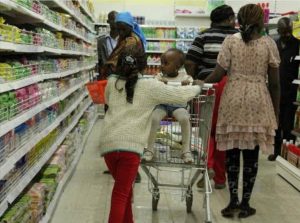
Almost 80 percent of the population in Nairobi, Kenya, lives in informal settlements where it’s not unusual for families of day laborers to live together in one house.
As we focus on flattening the curve of the coronavirus pandemic and dealing with the economic crisis has created, we must also help parents continue to provide stability for their families. But which families are most at risk?
Even before the pandemic, there were major pigpens in this stabilizing web for many families who struggle to pay their bills and lack resources to cover emergencies. The pandemic and national economic crisis has widened those holes, with a rapidly growing number of parents losing their jobs.
These problems excessively affect parents with lower incomes or those who live from hand to mouth, but now these challenges are not confined only to families with low incomes.
People who work in restaurants, hotels, retails, transport industry are likely to be among the hardest hit, including many parents who live from paycheck to paycheck. Without jobs, many parents have lost health insurance (if they were lucky enough to have it from their employer in the first place) but bills have not ceased.
Many parents cannot look for a new job because of the tanking economy and because there are no schools or child care providers to look after their children, and they can’t ask older relatives to help because of the health risk. So what can be done?
COVID-19 and the necessary mitigation measures designed to protect public health have been a one-two punch of devastation for vulnerable households. Frontline service workers are risking their health, although many cannot access medical care because of a lack of insurance.
Of course, COVID-19 has not affected all households equally. Some families are fortunate to be able to continue to work uninterrupted from home, but this privilege is not universal.
Comments


Why the Sh323.8 Billion Kenya US Health Agreement Is Raising Data Privacy Questions

Nest Lounge Narok Under Scrutiny as KRG The Don Shooting Incident Triggers Government Silence and Maasai Community Outcry

Chepterit Comes Alive During SportyBet Kenya Gifts Motorbike to Loyal Fans
Chepterit Comes Alive During SportyBet Kenya Gifts Motorbike to Loyal Fans
Nest Lounge Narok Under Scrutiny as KRG The Don Shooting Incident Triggers Government Silence and Maasai Community Outcry
Why the Sh323.8 Billion Kenya US Health Agreement Is Raising Data Privacy Questions

Betty Bayo’s Mother Seeks DPP Inquest Over Daughter’s Death

Ugunja Women Cry Foul After MP Appointments Snub Them Despite Campaign Support

KSh4M Serve! SportyBet Kenya Title Sponsors for Kipchumba Karori Eldoret International Volleyball Tournament

Shadrack Maritim Resurfaces in Uganda After Two-Month Disappearance

Lilian Akinyi Akech: A Trailblazer Redefining Leadership in Ugunja

Homa Bay Deputy Governor Oyugi Magwanga Condemns Alleged Unlawful Locking of His Office After Kasipul By-Election Fallout

South Sudan’s Oil Looters: How Young Elite Gatekeepers Plunder Nation While Citizens Starve
-
 Business News1 week ago
Why the Sh323.8 Billion Kenya US Health Agreement Is Raising Data Privacy Questions
-
 Business News3 days ago
Nest Lounge Narok Under Scrutiny as KRG The Don Shooting Incident Triggers Government Silence and Maasai Community Outcry
-
 Entertainment1 day ago
Chepterit Comes Alive During SportyBet Kenya Gifts Motorbike to Loyal Fans