
General News
South Sudan’s Oil Looters: How Young Elite Gatekeepers Plunder Nation While Citizens Starve

South Sudan is a land of contrasts. Its soil carries rivers of black gold, promising schools, hospitals, roads, and a future for generations. For years, the people waited for peace to bring prosperity. But the dream has been stolen.
The new predators are not foreign armies or northern rivals. They are South Sudan’s own elite, young men claiming to guard the nation’s wealth while lining their pockets with billions. They flaunt luxury, Rolexes, private jets, and designer suits while citizens go hungry, hospitals collapse, and schools lose teachers.
These gatekeepers operate in plain sight. Social media broadcasts their decadence. Imported clothes, high-end hair stylists, and parties across Monaco, Dubai, and Kampala showcase grotesque greed. Meanwhile, ordinary South Sudanese struggle for the basics. This is the story of a nation’s wealth hijacked by a new generation of oil looters.
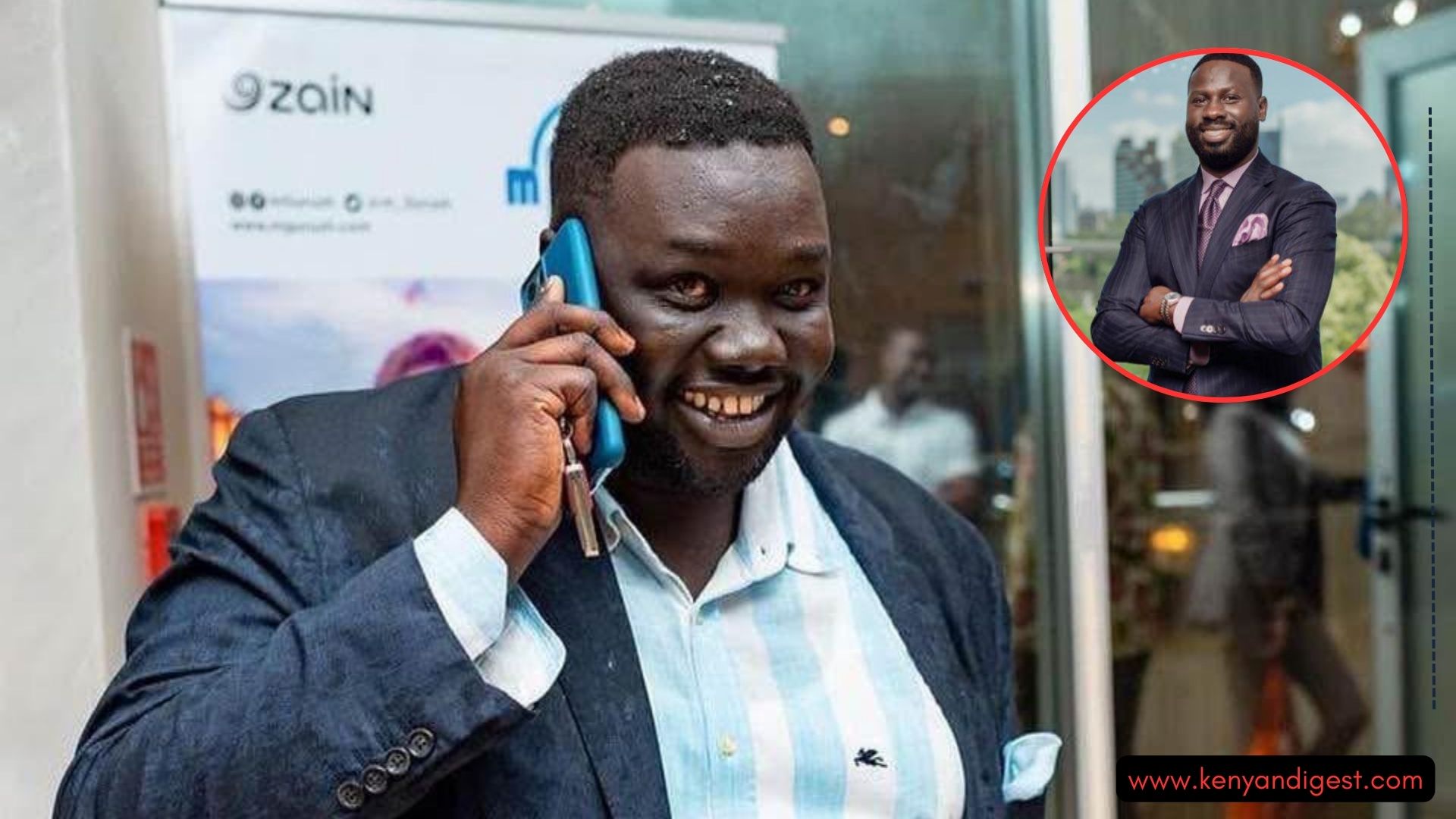
Daniel Denga now stands at the center of this growing scandal, a symbol of rising greed. His choices will decide whether South Sudan’s stolen future remains lost or is finally reclaimed.
The Rise and Fall of the First Grabbers
Before the war, South Sudan’s oil wells pumped heavily. The president and his inner circle held absolute power. Few were trusted, and those few took everything they could reach.
The First Grabbers, including ex-Vice President Benjamin Bol Mel, controlled profitable contracts, customs fees, and mineral rights. They siphoned national revenue into private vaults and offshore accounts. Mansions, luxury cars, and secret wealth marked their empire.
ABMC Construction, Bol Mel’s company, received billions for road contracts. Much of the money vanished, yet he continued rising to power—until the war disrupted oil flow and trade. With the state coffers empty, the First Grabbers hunted every possible source of cash, including local companies, minerals, and bank reserves.
Rumors of coups and schemes to control the president circulated. Eventually, security services alerted H.E. Salva Kiir to the scale of Bol Mel’s theft. On November 12, 2025, Bol Mel was sacked and placed under house arrest. His empire crumbled overnight, a warning to all who covet state wealth.
The New Wave of South Sudan’s Oil Looters
Into the vacuum stepped a younger, more audacious generation. Deng Daniel, Garang Mayom Malek, Dinnall Bateman Kurtis Nathaniel and Ariec Wol Mayar quickly claimed the spoils. All born in 1991, they are British citizens of South Sudanese origin.
Their companies—Capital Pay Ltd, Capital Pay Software Solutions Ltd, ECitizen, and Crawford Capital—emerged in 2025. Offices in London give them an international image, while they operate locally in Juba as self-proclaimed revenue collectors.
These young gatekeepers hide their schemes behind foreign-registered companies and local fronts, using them to extort businesses and steal South Sudan’s revenue.
Companies involved in the looting network
-
Capital Pay Ltd (UK, Company No. 16137715)
-
Capital Pay Software Solutions Ltd (UK, Company No. 16160215)
-
ECitizen (South Sudan operation controlled by the same group)
-
Crawford Capital (name used locally to extort and collect fake fees)
-
ABMC Construction—previously controlled by Benjamin Bol Mel, used for large-scale road contract theft
-
Capital Pay Software Ltd (variation used inside South Sudan for collection schemes)
Deng Daniel claims he is the de facto chairman in Juba. Garang Mayom Malek insists Deng is merely his office manager. Ariec Wol Mayar works in the Ministry of Foreign Affairs as Director of Media and Spokesperson, while simultaneously profiting from these companies.
This blending of government roles and private profiteering creates a perfect cover for theft. They insist they serve the nation, yet none of the funds reach the state or its citizens.
The Culture of Greed
The new elite flaunt wealth with brazen confidence. Social media chronicles their indulgence: private jets, luxury boats, imported wigs, and parties with international women. They hire European hair stylists, buy multiple luxury cars, and wear designer suits worth more than a minister’s annual salary.
Meanwhile, ordinary South Sudanese face crumbling infrastructure, underfunded hospitals, and schools that cannot pay teachers. Roads remain unfinished, towns remain disconnected, and hope becomes a rare commodity. The stark contrast between the rulers’ luxury and citizens’ suffering exposes a nation robbed from within.

Garang Malek’s flashy operations reveal a deeper rot. His schemes drain vital revenue, leaving citizens desperate. Until his network is stopped, South Sudan’s hopes will remain trapped in the shadows of greed.
Methods of Theft
These young men employ sophisticated schemes. They impose “patriotic contributions,” collect fictitious taxes, and extort private companies. Much of the revenue is redirected into hidden foreign accounts.
UK company records show that Capital Pay Software Solutions Ltd and related firms are registered with Garang Mayom Malek, Ariec Wol Mayar, and Dinnall Bateman Kurtis Nathaniel as directors.
This dual existence—British citizens running UK companies while exploiting South Sudanese government channels—shields them from local accountability. Their operations mirror mafia-style enforcement, using intimidation and influence, including claiming ties to the president’s family. Businesses both local and foreign, are coerced with false authority and counterfeit claims of legitimacy.
South Sudan has seen this show before. Bol Mel’s downfall demonstrated that wealth gained from corruption is fragile. Yet the cycle continues. The new elite walk the streets of Juba with swollen pride, unaware that history often repeats itself, reducing kings of stolen wealth to cautionary tales.
The consequences extend beyond individual misdeeds. Each stolen dollar deprives schools, hospitals, and infrastructure of resources. The nation’s future is mortgaged for luxury watches and designer suits. Yet the people remain vigilant. They remember the black rivers of oil belong not to elites, but to the nation itself.
South Sudan’s oil lootings tell a story of audacity and betrayal. The first grabbers have fallen, yet the next wave rises, flaunting power and wealth while citizens starve. The narrative is clear: gluttonous elites thrive temporarily, but history and public memory demand accountability.
The people of South Sudan await the day when stolen wealth is reclaimed, when national resources serve their true purpose, and when luxury and corruption no longer dictate the lives of millions.
Comments


Benson Gethi The Man Behind the NYS Scandal: How the Gethi Family Profited from Billions Lost

Eldoret Airport Smuggling Expose: Millions Lost as Gadgets Flow Illegally to Ethiopia

How Ben Gethi Orchestrated the Ksh 6.2 Billion NYS Scandal the EACC Can No Longer Ignore

SportPesa Aviator Exposed: Why SportPesa Aviator Games Have Become a Public Danger That Kenya Can No Longer Ignore

SportyBet Kenya Bonus for January 2026 – Uncover Unique Offers!

The 2027 Expiry Date: Why Moses Omondi’s Term Will Be Short

The Two Faces of Opiyo Wandayi: The ‘Watcher’ Who Now Uses Luo Votes While Kenyans Pay the Price

EXPOSED: Court Filings Show How Cs Mbadi, Watanga and Nyawanda Approved Sh5.5 Billion Illegal Rice Imports

Paul Ndung’u Bankruptcy Exposes a Stunning Fall After SportPesa Court Defeat

Arsenal vs Manchester United Prediction: Betting Tips, Odds, and Match Preview

Securing Scholarships for International Study: A Comprehensive Guide for Students
Paul Ndung’u Bankruptcy Exposes a Stunning Fall After SportPesa Court Defeat
Arsenal vs Manchester United Prediction: Betting Tips, Odds, and Match Preview
EXPOSED: Court Filings Show How Cs Mbadi, Watanga and Nyawanda Approved Sh5.5 Billion Illegal Rice Imports
The 2027 Expiry Date: Why Moses Omondi’s Term Will Be Short
The Two Faces of Opiyo Wandayi: The ‘Watcher’ Who Now Uses Luo Votes While Kenyans Pay the Price
SportyBet Kenya Bonus for January 2026 – Uncover Unique Offers!
SportPesa Aviator Exposed: Why SportPesa Aviator Games Have Become a Public Danger That Kenya Can No Longer Ignore
How Ben Gethi Orchestrated the Ksh 6.2 Billion NYS Scandal the EACC Can No Longer Ignore
Eldoret Airport Smuggling Expose: Millions Lost as Gadgets Flow Illegally to Ethiopia
-
 Business News1 week ago
Benson Gethi The Man Behind the NYS Scandal: How the Gethi Family Profited from Billions Lost
-
 Business News1 week ago
Eldoret Airport Smuggling Expose: Millions Lost as Gadgets Flow Illegally to Ethiopia
-
 Columns And Opinions1 week ago
How Ben Gethi Orchestrated the Ksh 6.2 Billion NYS Scandal the EACC Can No Longer Ignore
-
 General News5 days ago
SportPesa Aviator Exposed: Why SportPesa Aviator Games Have Become a Public Danger That Kenya Can No Longer Ignore
-
 Entertainment5 days ago
SportyBet Kenya Bonus for January 2026 – Uncover Unique Offers!
-
 General News5 days ago
The 2027 Expiry Date: Why Moses Omondi’s Term Will Be Short
-
 Columns And Opinions5 days ago
The Two Faces of Opiyo Wandayi: The ‘Watcher’ Who Now Uses Luo Votes While Kenyans Pay the Price
-
 Columns And Opinions5 days ago
EXPOSED: Court Filings Show How Cs Mbadi, Watanga and Nyawanda Approved Sh5.5 Billion Illegal Rice Imports